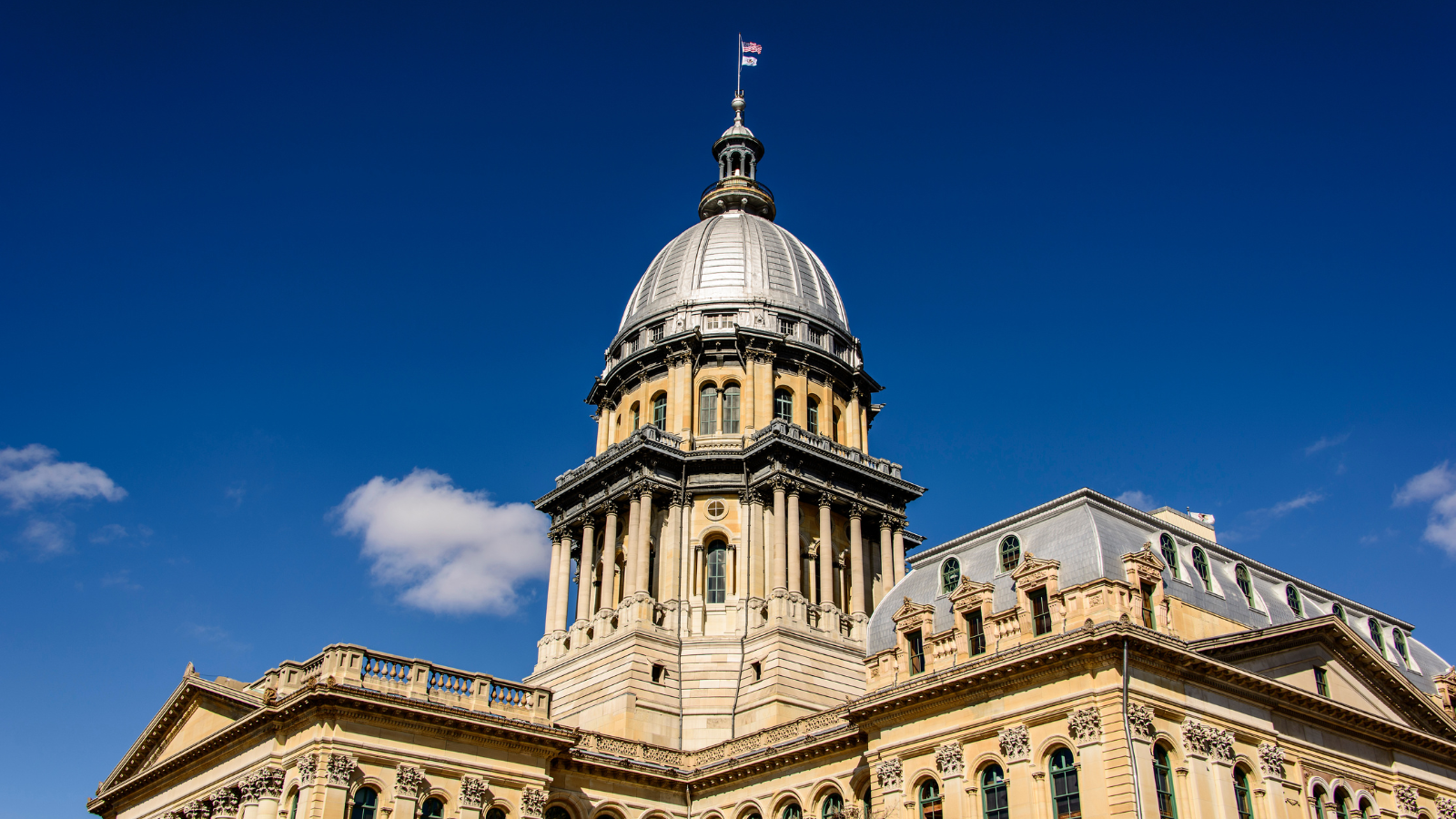


IL state capitol building with a blue sky background.

Federal Tax Credit Scholarship Program: Should Illinois opt in or opt out? Here is what the critics say

The debate on whether Illinois should opt in or out of the Federal Tax Credit Scholarship Program has been growing in the last few months. Our previous blog, Confused About… the Federal Tax Credit Scholarship Program? outlined the basics of the program and walked through both the case for opting in and opting out. After a review of the facts, our conclusion was to hold out on judgment as we await further guidance from the federal government and continue to learn from stakeholders on both sides of the debate. To help Illinois’ families better understand the impact of the tax scholarship program and the positions of proponents and opponents, we hosted a Virtual Townhall on June 10th.

The Townhall centered on two perspectives: Dr. Joshua Stafford, superintendent at Vienna High School, spoke on the merits of opting into the Federal Tax Scholarship Program (FTSP); while Ann Courter, Executive Director of the League of Women Voters made the case for opting out.

Who Benefits? 

At its core, the Federal Tax Scholarship Program will provide taxpayers with an up-to-$1,700 credit on their federal income taxes if they contribute up to $1,700 to a “Scholarship-Granting Organization” (SGO) starting in 2027. That’s a dollar-for-dollar credit, and there’s no cap on the number of taxpayers who can use it. The SGOs are non-profit organizations that spend at least 90% of funds on scholarships, grant scholarships to more than one school, and verify that the receiving family’s income is less than 300% of the area median income. Very little ink has been spilled by the Federal government detailing what kind of scholarships would qualify.

The primary concern outlined by Ann Courter for opting in to the FTSP was that it would shift taxpayer money away from public schools and into private schools.

“Public money would be going for private, mostly religious, schools, and that undermines transparency, accountability, high standards, protection of our students’ civil rights… and it undermines our stability,” said Courter.

She argued that the lack of transparency and accountability leaves room for discrimination which could mean only students from wealthy neighborhoods and families would benefit.

Stafford argued the program’s flexibility allows public schools to capitalize on the program—unlike other voucher programs. “You can give to the SGO that will be using its funds for public school students.” It’s our money at the end of the day, so supporters encourage taxpayers to choose the SGO that will have the best impact on low-income students.

He outlined the many ways public schools could put the scholarship dollars to work: academic tutoring, books, sports uniforms, transportation, technology, internet access, extended day programs, special needs services, and more.

For areas with a high percentage of low-income students, like Vienna, “…these allowable expenses are all things that students in my community could benefit from” stated Stafford.  

Dollars and Sense 

“If Illinois opts in, you [taxpayers] will be able to give your $1,700 to an SGO of your choosing that benefits kids in Illinois. If Illinois doesn’t opt in, you will still be able to take that $1,700 credit, but it will have to go outside of our state,” said Stafford

As a federal law, all taxpayers will have the option to partake in this program, even if it means funding SGO programs in other nearby states that have opted in, like Indiana and Missouri. For this reason, supporters like Stafford believe “Illinois dollars should stay in Illinois and be invested in Illinois kids.”

Opponents argue that access to federal scholarships could siphon students out of public schools, which would negatively impact school funding. “Our schools are funded on a per-pupil basis, and when kids leave a classroom, that will cut back on the state’s money coming into the district,” said Courter when sharing her concerns with possible funding impacts on public education.

If scholarships do indeed drain public schools of significant students, Evidence-Based Funding (EBF) will reflect the decreased enrollment, the school will be closer to its adequacy target, and its funding could be impacted. However, it’s highly unlikely the state will discontinue its promise of allocating $300 million to EBF, so the same amount of state funding should continue going to schools. Still, if students going to private schools are concentrated in particular districts, those schools could net a smaller increase from EBF tier money.

Accountability & Transparency 

Governors from states that opt in will provide a list of approved SGOs to receive taxpayers $1700. This gives governors a lot of say over how the scholarship dollars will flow through their state. However, as we said in the original blog, the main question isn’t who or what can be funded but rather who or what can be blocked from funding. We are still waiting for final guidance from the federal Department of the Treasury to know if Governors will be required to allow all qualifying SGOs to be on their state-approved list. While the program was designed to be used for private school scholarships, advocates argue the flexibility granted to governors could produce a more equity-minded SGO list that centers on opportunity for public schools. A way of turning lemons into lemonade, so to speak.

Proponents, on the other hand, worry that upcoming federal guidance could limit governors’ decision-making power, resulting in fewer opportunities to design programs friendly to public schools and creating an environment that allows very little oversight on how dollars flow from SGOs to students.

“SGOs will have no standards for their operations. They will have very little oversight,” said Courter “Under Invest in Kids, there was a lot of private money that went to religious schools that discriminate, and it’s highly likely that this experience will be repeated.”

Stafford countered that public schools serve all Illinois students, and SGOs directly linked to Illinois public schools would be the simplest way to ensure the tax scholarship dollars are spent equitably.

Now that we are halfway through 2026, we cannot ignore the fact that public schools that want to receive funding need to begin planning now, if they want to get the most benefits out of this program. Meanwhile, National organizations, like the American Federation for Children, are ready to solicit Illinois taxpayers and make the process for donating much easier. Illinois public schools should prepare now to best position themselves to receive FTSP dollars.  

Our Conclusion 

We still think Illinois should wait and see the fine print before opting in or out of the FTSP. In the meantime, we’re continuing to meet with both proponents and opponents to gather information and plan for whatever lies ahead. Want to join the conversation? Let us know what you think!