Welcome to Capitol Week In Review, our newsletter where we’ll cut through the noise to bring you clear, timely updates on what’s moving and what it means for educational equity and efforts to increase opportunities for Colorado families.

Get this newsletter in your inbox every week:


With the ceremonial dust settling, the Second Session of the 75th General Assembly is now underway. Lawmakers were sworn in, committees took shape, and early legislation began surfacing; setting the stage for the real work ahead.

Priority Legislation Update: We’re excited to share that one of our priority justice reform policies was introduced this week:

HB26- 1017 Criminal Restitution Prohibited for Insurers, would change how criminal restitution works by removing insurance companies from the definition of a “victim” for restitution purposes. Under the bill, insurers could no longer collect restitution through the criminal courts when they suffer losses; instead, they could pursue those losses through civil lawsuits against offenders if necessary.

Other Related Legislative Updates: 

Education Smart ACT hearings were this week, which covered a broad range of topics, mostly centering on school funding and reports from the Department of Education and Early Childhood, focusing on agency goals and performance metrics. Also notable was a deep-dive panel discussion on school finance, featuring representatives from various school districts to address the current challenges and future needs of school funding and the implementation of HB24-1448. You can listen to the recording here.

State of the State Address

Governor Polis used his final State of the State to emphasize a “Colorado for All” agenda focused on affordability, opportunity, and safety, highlighting major investments that directly support families. He pointed to expanded access to free preschool and free full day kindergarten, efforts to fully fund schools including eliminating the Budget Stabilization Factor, and steps to raise educator pay and strengthen early learning as foundational to long term student success.

For families’ economic stability, Polis underscored tax relief and affordability measures, including the Family Affordability Tax Credit, expansions to the earned income and child tax credits, and efforts to cut housing costs, framing these as strategies that help families stay rooted and thrive. On justice and public safety, he highlighted data showing declines in violent and property crime and emphasized prevention focused approaches, while also naming the importance of keeping communities safe and supporting systems that reduce harm.

Across the address, Polis repeatedly framed policy decisions through the lens of protecting everyday Coloradans, especially in the face of federal uncertainty, calling for a session grounded in practical solutions that strengthen schools, stabilize family finances, and advance a safer, fairer Colorado.

You can watch the recording here.

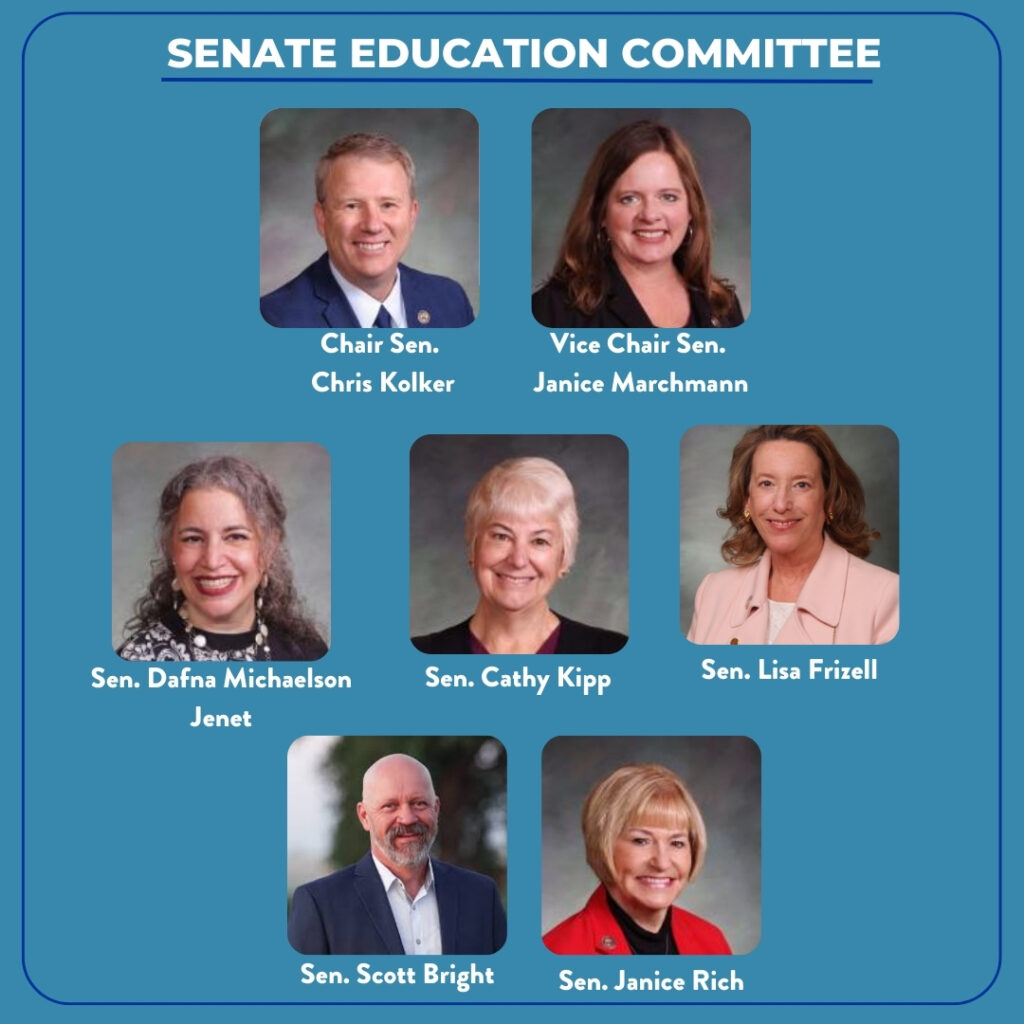
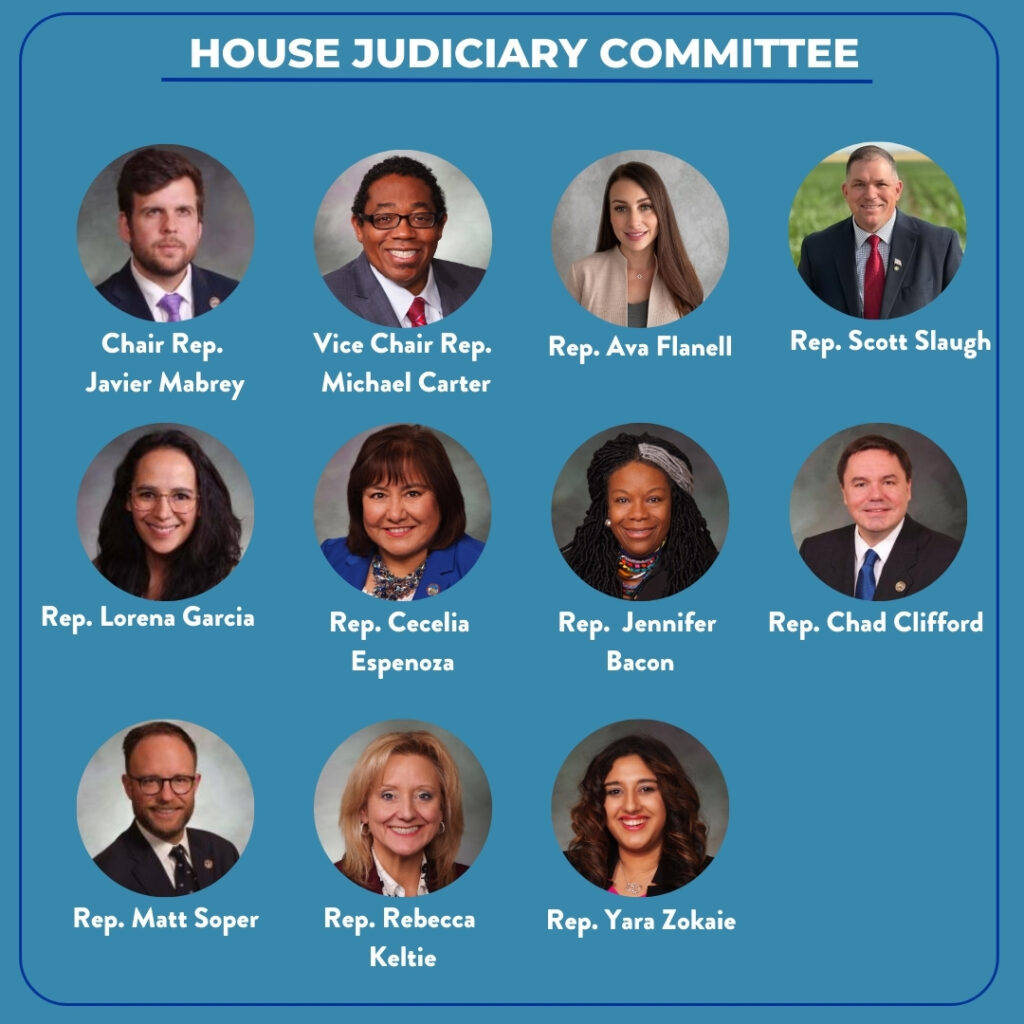
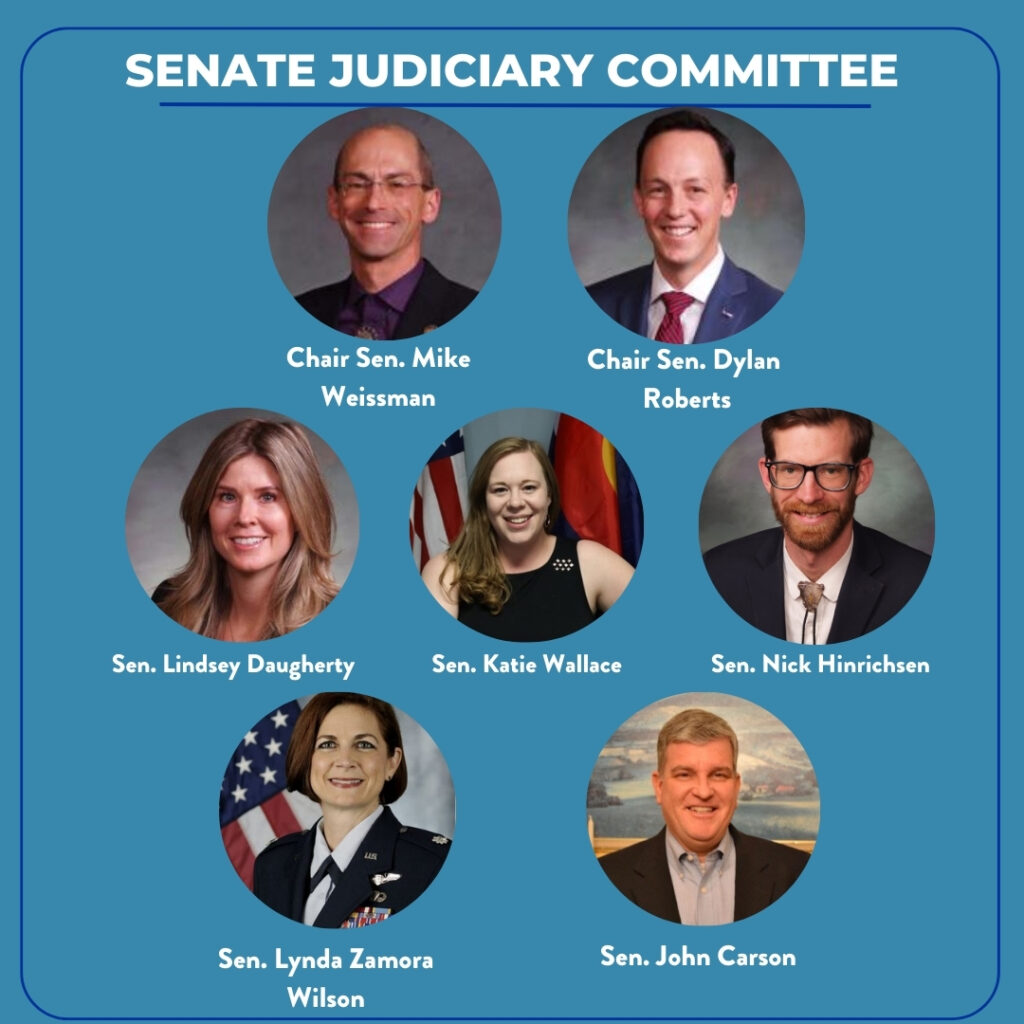
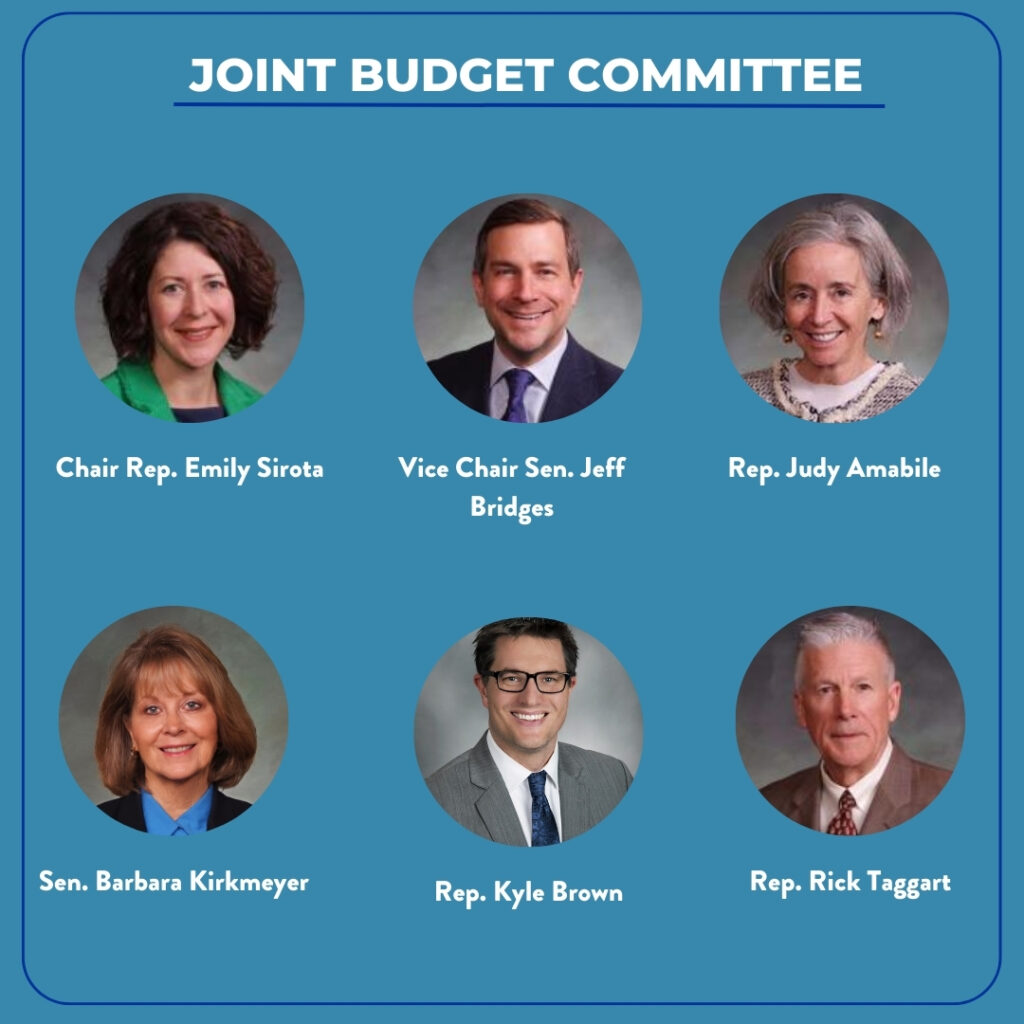
Key Legislative Committee Assignments
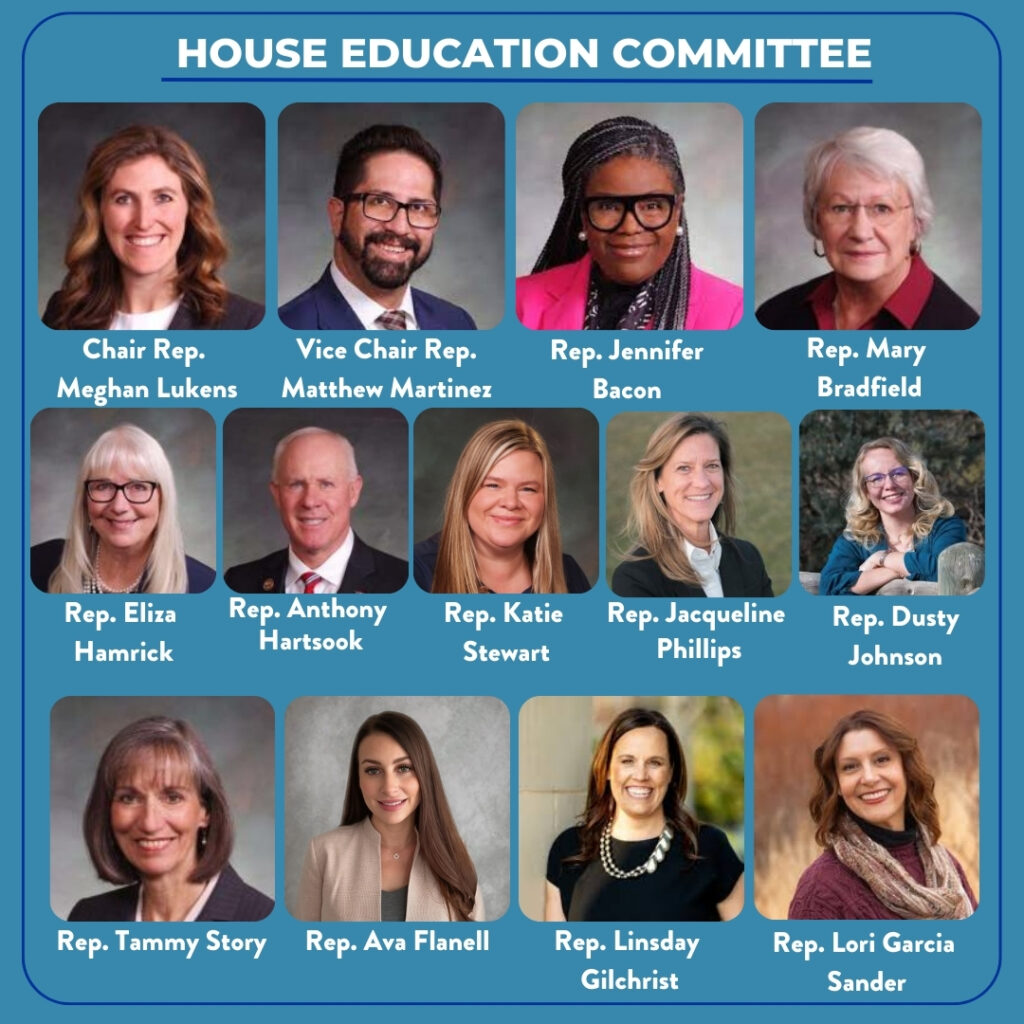
From school funding to youth justice, this session presents critical moments to protect progress and push for change. Lawmakers are grappling (again) with funding challenges, so that will be framing policy conversations throughout the legislative session. Below are the policy priorities guiding our advocacy this year—and how they connect to the real experiences of students, families, and communities across the state.

School Funding: Implement Year Two of the New Formula

After more than 30 years without an update, two years ago Colorado adopted a new school funding formula to better reflect student needs and the real cost of education. The formula was designed to be phased in over multiple years. Fully implementing Year two with additional funding will help protect our schools from ongoing challenges and support our students needs. 

Criminal Justice: Restitution for People, Not Insurers

Criminal restitution is intended to repair harm to people, yet current Colorado law allows insurance companies to collect restitution through criminal court. This diverts payments away from natural persons and turns sentencing into a mechanism for private debt collection. Excluding insurers from criminal restitution—while preserving their ability to recover losses through civil court—restores restitution to its original purpose of accountability, rehabilitation, and fairness.

Keeping Families Connected: Free Prison Phone Calls

Regular communication between incarcerated people and their families improves rehabilitation, reentry outcomes, and safety inside facilities. Stand Colorado has been working to provide free-phone calls for families and incarcerated individuals since 2023. Colorado took a major step forward by passing HB23-1133 to make prison phone calls free, but full implementation depends on sustained funding and prioritized implementation by the Department. , While recognizing the financial realities of the state budget, this investments supports family connection and benefits public safety and taxpayers alike – it’s important that we continue funding to keep families connected. 


Get Involved! 

At Stand Colorado, we deeply believe that policymaking is most effective when the voices of those impacted are at the center of decision-making. Want more regular updates about key bills and opportunities to engage? Follow us on social media to stay informed about ways to advocate for what matters to you!  


Welcome to Capitol Week In Review, our newsletter keeping you informed about policy concerning educational equity and criminal justice reform.  You will also hear from us about opportunities to engage in advocacy on topics important to you.

Get this newsletter in your inbox every week:


We’re excited to share promising progress updates on a couple of our priority bills:

As we near the end of the legislative session, things are moving fast! Check out the latest progress updates on our priority bills:

HB25-1320, School Finance Act, extends the transition to Colorado’s new school funding formula by one year, now fully implementing it in 2031-32.  This bill increases funding for education by nearly $256 million. This bill is scheduled to be heard in the Senate Education Committee on April 30th at 1:30pm. 

HB 25-1026, Repeal Co-payment for Department of Corrections (DOC) Inmate Health Care, stops the Department of Corrections from charging medical fees to incarcerated individuals seeking healthcare, separate from what is billed to insurance and already provided by the state. This bill passed out of the Senate Judiciary Committee and is awaiting to be scheduled in the Senate Appropriations Committee. 

HB 25-1146, Juvenile Detention Bed Caps,was drastically amended with a “strike below” that changed this bill to overhaul juvenile detention funding in Colorado.
The bill increases the number of emergency detention beds in the Division of Youth Services from 22 to 39, allows more flexibility in when the beds can be used, and requires the development of a pilot program for body cameras to be worn in youth detention facilities. More importantly, the bill now creates a grant program for youth deflection and diversion services; it will provide competitive grants for three years to implement a mixed-delivery system of trauma-informed health and development deflection programs for youth. In total, this package for youth justice and diversion comes with an appropriation totaling $10.8 million to the Department of Human Services and the Department of Public Safety. This bill passed third reading in the House and is now scheduled to be heard in the Senate Health and Human Services Committee on May 1st at 1:30pm. 

HB25-1192, Financial Literacy Graduation Requirement, mandates that Colorado high school students successfully complete a financial literacy course before graduating. Additionally, the bill requires students to practice either the Free Application for Federal Student Aid (FAFSA) or the Colorado Application for State Financial Aid (CASFA). This bill passed second reading in the House and is scheduled to be heard in the House on April 28th for third reading. 

SB25-315 Postsecondary & Workforce Readiness Programs, consolidates four existing postsecondary and workforce readiness (PWR) programs into a streamlined two-part structure to expand access and reduce administrative burdens. It creates a Start-Up Fund ($14M) to replace the ASCENT program and reward districts for postsecondary credits, credentials, and work-based learning outcomes. This bill was introduced in the Senate and awaiting a hearing in the Senate Appropriations Committee.

HB25-1274 Healthy School Meals for All Program, refers two ballot issues to the voters in November to allow the state retain a portion of TABOR refunds and to increase taxes by $95 million annually by increasing state taxable income to support the healthy school meals for all program. This bill passed the Senate Finance Committee with a vote of 6-3.

HB25-1153, Statewide Government Language Access Assessment, requires a statewide language access assessment across Colorado’s principal departments to evaluate and improve services for non-English speakers. The assessment will review language access needs, existing resources, and expenditures. A final report with recommendations is due by December 31, 2026. This bill is awaiting scheduling in the Senate State, Veterans, & Military Affairs Committee.

This week, Colorado lawmakers finalized the state’s $43 billion budget for the 2025-26 fiscal year. Despite facing tight financial constraints, the legislature prioritized education in historic ways — offering long-overdue wins for students, families, and educators across the state.

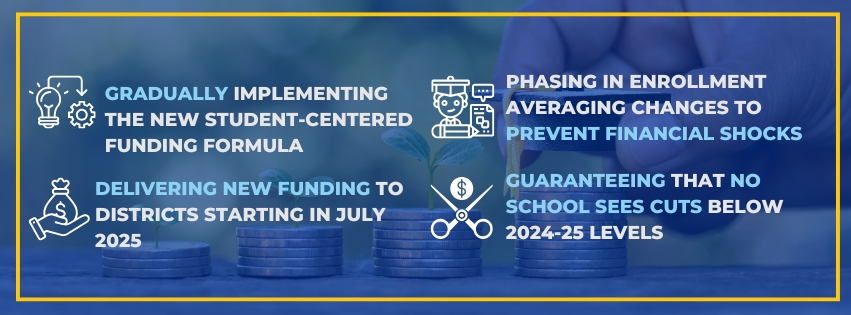
The biggest headline? For the first time in over a decade, schools will receive full funding under the new state’s formula, marking a turning point in how Colorado invests in its children.

Here’s what else this landmark budget delivers for education:

  • Total program funding will increase by $256 million, which will mean more resources in classrooms, smaller class sizes, and critical staff like counselors and specialists.
  • Higher per-pupil funding, especially important for schools in low-income communities and those serving students with the greatest needs.
  • $3.4 million in one-time funds to support reading intervention training for K-3 teachers

While these investments are worth celebrating, they didn’t come easy. Lawmakers made tough decisions in a tight budget year — but they made it clear that education is a top priority.

Still, this is not the finish line. Equity, transparency, and sustained community involvement must guide how these dollars are spent. This budget is a critical step forward — and a reminder that Colorado’s students deserve nothing less than our full commitment.


Bipartisan bill, HB25-1320, School Finance Act, is being heard in the Senate Education Committee on April 30th. It increases funding for education by $256 million and ensures support for students experiencing poverty, English language learners, students with special needs, and students in small and rural districts.

HB25-1320 addresses fiscal challenges faced by our state while also prioritizing funding for students by:

We need your help to make sure lawmakers vote YES on HB25-1320 and uphold Colorado’s commitment to fully and equitably funding public education. Please send your email today!    


Welcome to Capitol Week In Review, our newsletter keeping you informed about policy concerning educational equity and criminal justice reform.  You will also hear from us about opportunities to engage in advocacy on topics important to you.

Get this newsletter in your inbox every week:


We’re excited to share promising progress updates on a couple of our priority bills:

HB25-1320, School Finance Act, extends the transition to Colorado’s new school funding formula by one year, now fully implementing it in 2031-32.  This bill increases funding for education by nearly $256 million. This bill passed third reading in the House!

HB 25-1026, Repeal Co-payment for Department of Corrections (DOC) Inmate Health Care, stops the Department of Corrections from charging medical fees to incarcerated individuals seeking healthcare, separate from what is billed to insurance and already provided by the state. This bill passed third reading in the House and is awaiting scheduling in the Senate Judiciary committee. 

HB 25-1146, Juvenile Detention Bed Caps, was adjusted by a “strike below” amendment which has changed this bill to overhaul juvenile detention funding in Colorado. Starting in 2025-26, $1.98 million annually will support alternatives to detention, while the $1.36 million requirement for emergency beds is repealed. The detention bed cap rises to 254 in 2025-26, then adjusts to 125% of projected need starting in 2026-27, excluding youth charged with class 1 felony-level acts. The Division of Criminal Justice must report detention projections, and the General Assembly must fund beds accordingly. This bill passed the House Appropriations Committee with a vote of 9-2.

SB25-208, Department of Corrections Inmate Phone Costs, proposes adjustments to the Department of Corrections’ (DOC) responsibility for covering inmate phone call costs. Under current law, the DOC is required to cover 100% of these costs starting July 1, 2025. This bill mandates that requirement by mandating the DOC to cover 75% of inmate phone call costs beginning July 1, 2025, and then increasing to 100% coverage on and after July 1, 2026. Additionally, the bill appropriates $1,436,165 from the general fund to the DOC for inmate telephone calls. This bill is off to the Governor’s desk!

HB25-1135 Communication Devices in Schools, requires all public and charter schools in Colorado to establish policies on student use of communication devices during school hours by July 1, 2026. These policies must specify any restrictions and exceptions for device use throughout the school day. The bill is off to the Governor’s desk!

SB25-200 Dyslexia Screening and READ Act Requirements, updates Colorado’s READ Act to include stronger screening for dyslexia by 2025-26. This bill passed the House Education committee with a vote of 12-1. 

HB25-1274 Healthy School Meals for All Program, refers two ballot issues to the voters in November to allow the state retain a portion of TABOR refunds and to increase taxes by $95 million annually by increasing state taxable income to support the healthy school meals for all program. This bill passed third reading in the House. 

SB25-155 Legislation Inside Advisory Council, establishes the Legislation Inside Advisory Council to advise the Colorado General Assembly on issues affecting incarcerated individuals. The council will contract with a nonprofit for support, define its membership, and outline duties, including reporting during the Department of Corrections’ annual “SMART Act” presentation. Additionally, an advisory review committee will recommend up to three bills each interim session. This bill passed second reading in the Senate. 

Colorado is on the cusp of a significant criminal justice reform milestone. Senate Bill 25-208 (SB25-208), which ensures the full implementation of free prison phone calls by July 2026, has passed both chambers of the legislature and now awaits Governor Jared Polis’ signature.

This legislation builds upon the foundation laid by HB23-1133, legislation we championed that passed in 2023, to eliminate the financial burden of prison communication. Under HB23-1133, call costs were reduced by 25% in the first year, 35% in the second year, with the goal of making all calls free by July 1, 2025. SB25-208 adjusts this timeline, requiring the Department of Corrections to cover 75% of call costs starting July 2025 and 100% by July 2026.

Research consistently shows that regular communication between incarcerated individuals and their families leads to better outcomes both during incarceration and upon reentry into the community, thereby reducing recidivism.

Prior to HB23-1133, Colorado families paid over $8.8 million to stay connected with incarcerated loved ones. The financial burden of prison phone calls has disproportionately impacted Black, brown, and low-income families. 

As we await Governor Polis’ signature, we thank the many advocates that worked alongside us to bring this policy to reality  Together, we are fostering stronger communities and a more just Colorado.


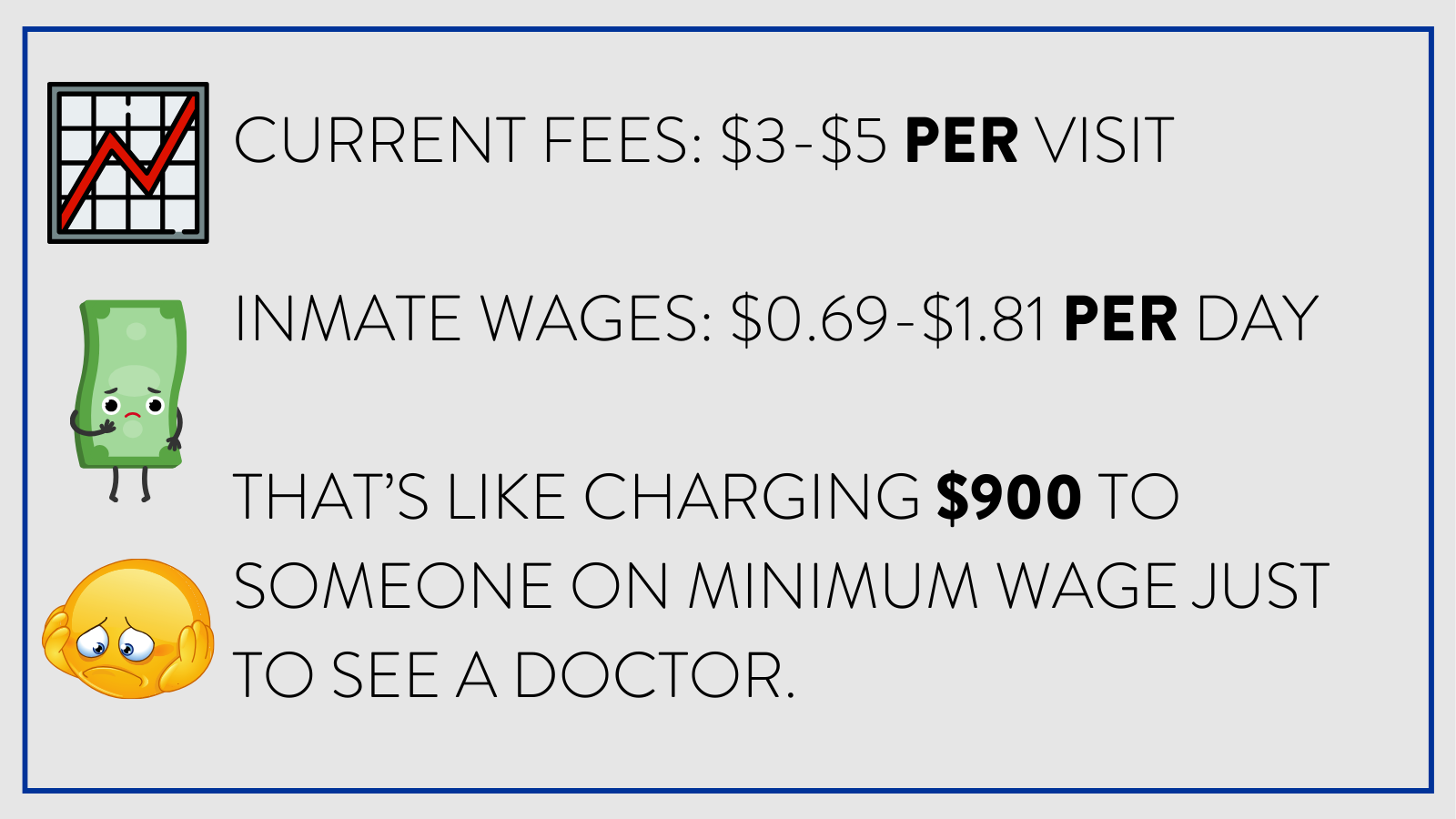
Our priority bill, HB 25-1026, Repeal Co-payment for Department of Corrections (DOC) Inmate Health Care, would eliminate medical co-pays for incarcerated individuals in Colorado—fees that currently range from $3 to $5 per visit. While that might seem small, incarcerated people earn just $0.69 to $1.81 per day, making access to basic healthcare a major financial burden. It’s the equivalent of charging a $900 co-pay to someone earning minimum wage.

The Senate Judiciary Committee members are considering this bill next week- Ask them to eliminate needless and inefficient fees! 


Welcome to Capitol Week In Review, our newsletter keeping you informed about policy concerning educational equity and criminal justice reform.  You will also hear from us about opportunities to engage in advocacy on topics important to you.

Get this newsletter in your inbox every week:


We’re excited to share several priority bill updates:

HB 25-1214, Appropriate Use of Prison Beds,  reforms sentencing and parole by requiring courts to review key information before sentencing and notifying them when individuals near parole eligibility are sentenced. It expands treatment options to certified recovery residences, removes payment requirements for mandated treatment after positive drug or alcohol tests, and presumes parole for low-risk inmates with mandated monthly status reports.  This bill passed out of the House Finance Committee with a 7-6 vote.

HB 25-1146, Juvenile Detention Bed Caps, was adjusted by a “strike below” amendment which has changed this bill to overhaul juvenile detention funding in Colorado. Starting in 2025-26, $1.98 million annually will support alternatives to detention, while the $1.36 million requirement for emergency beds is repealed. The detention bed cap rises to 254 in 2025-26, then adjusts to 125% of projected need starting in 2026-27, excluding youth charged with class 1 felony-level acts. The Division of Criminal Justice must report detention projections, and the General Assembly must fund beds accordingly. 

HB 25-1116, Department of Corrections Search Court Records Before Offender Release, is off the Governor to sign! This bill would ensure the Department of Corrections regularly checks for outstanding warrants on inmates and notifies them, courts, and public defenders. It encourages timely resolution, including virtual court appearances, to prevent legal issues from delaying reentry.

SB25-208, Department of Corrections Inmate Phone Costs, proposes adjustments to the Department of Corrections’ (DOC) responsibility for covering inmate phone call costs. Under current law, the DOC is required to cover 100% of these costs starting July 1, 2025. This bill modifies that requirement by mandating the DOC to cover 75% of inmate phone call costs beginning July 1, 2025, and then increasing to 100% coverage on and after July 1, 2026. Additionally, the bill appropriates $1,436,165 from the general fund to the DOC for inmate telephone calls. This bill is passed third reading in the House.

SB25-001, Colorado Voting Rights Act, strengthens protections against voter discrimination, expands multilingual ballot access, improves accessibility for tribal and disabled voters, and creates a statewide election data office. The bill is scheduled to be heard in the House State, Civic, Military, & Veterans Affairs Committee on April 14th at 1:30pm.

HB 25-1204 Colorado Indian Child Welfare Act (ICWA), aligns with federal ICWA while adding stronger state protections. It ensures tribal involvement in child welfare cases, prioritizes placement with family or tribe, and mandates reporting and oversight starting in 2027. This bill is scheduled to be heard in the Senate Health & Human Services Committee on April 23rd upon adjournment. 

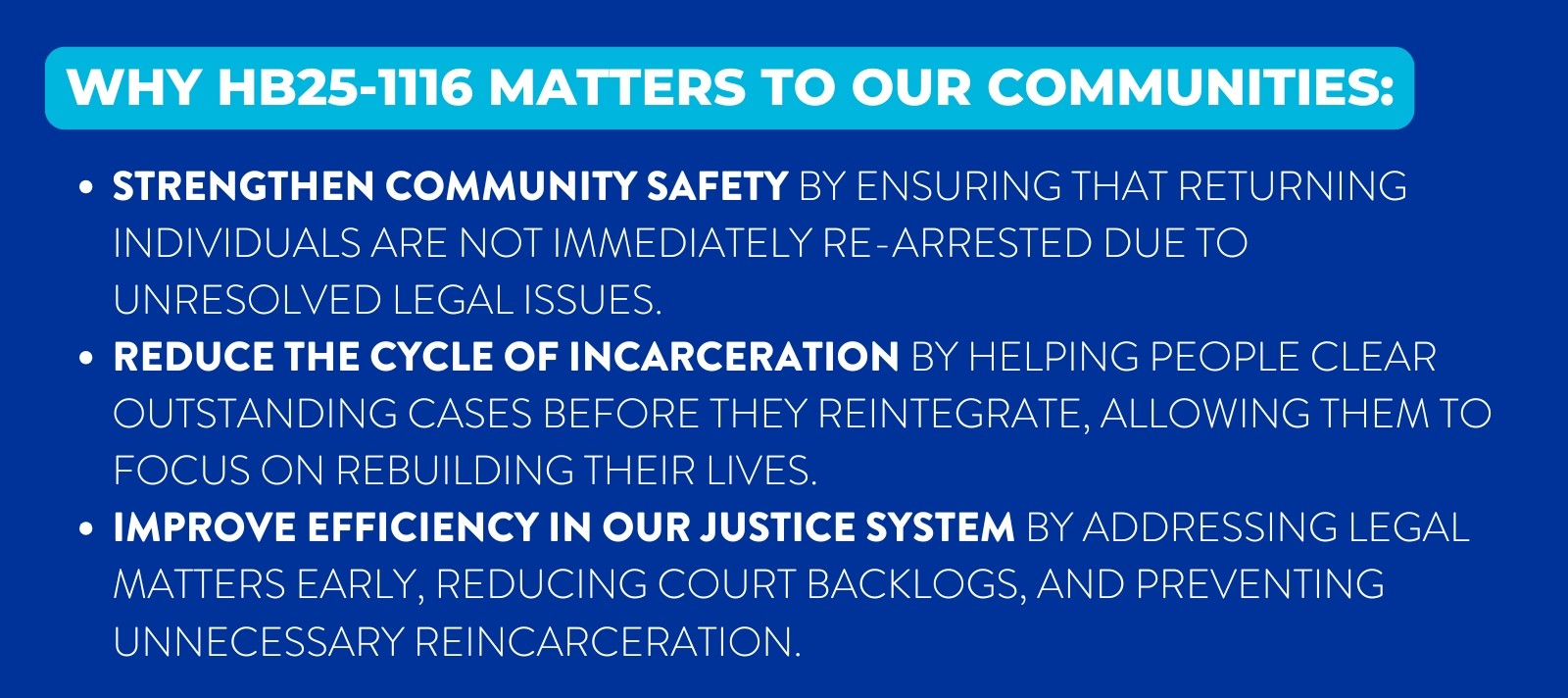
We are thrilled to announce that HB25-1116, a bipartisan bill aimed at reducing re-incarceration by ensuring individuals in the Department of Corrections (DOC) custody address outstanding warrants or pending cases before release, has passed both chambers of the Colorado legislature and is now awaiting the Governor’s signature.

This legislation mandates the DOC to conduct comprehensive searches of court records at key points during an offender’s incarceration to identify any unresolved legal matters. By proactively addressing these issues, the bill seeks to facilitate smoother reintegration into the community and prevent unnecessary re-incarceration due to overlooked legal obligations.

We have been a steadfast advocate for HB25-1116, working tirelessly to advance this critical reform. Our efforts included organizing community support, providing testimony, and engaging with legislators to highlight the importance of this bill in promoting fair and safe reintegration for returning community members.

The passage of HB25-1116 represents a significant step forward in our commitment to criminal justice reform and the well-being of our communities. . We appreciate the support of the many advocates who engaged along the way to getting this bill passed.


Our priority bill, HB 25-1026, Repeal Co-payment for Department of Corrections (DOC) Inmate Health Care, would eliminate medical co-pays for incarcerated individuals in Colorado—fees that currently range from $3 to $5 per visit. While that might seem small, incarcerated people earn just $0.69 to $1.81 per day, making access to basic healthcare a major financial burden. It’s the equivalent of charging a $900 co-pay to someone earning minimum wage.

The House of Representatives is considering this bill – Ask them to Eliminate Needless and Inefficient Fees.   


Welcome to Capitol Week In Review, our newsletter keeping you informed about policy concerning educational equity and criminal justice reform.  You will also hear from us about opportunities to engage in advocacy on topics important to you.

Get this newsletter in your inbox every week:


We’re excited to share several new priority bills and important updates to key priority legislation:

HB25-1320, School Finance Act, extends the transition to Colorado’s new school funding formula by one year, now fully implementing it in 2031-32.  This bill increases funding for education by nearly $256 million. This bill is scheduled to be heard in the House Education Committee on April 7th at 1:30pm.

SB25-208, Department of Corrections Inmate Phone Costs, proposes adjustments to the Department of Corrections’ (DOC) responsibility for covering inmate phone call costs. Under current law, the DOC is required to cover 100% of these costs starting July 1, 2025. This bill modifies that requirement by mandating the DOC to cover 75% of inmate phone call costs beginning July 1, 2025, and then increasing to 100% coverage on and after July 1, 2026. Additionally, the bill appropriates $1,436,165 from the general fund to the DOC for inmate telephone calls. This bill is scheduled to be heard in the House Appropriations Committee on April 8th.

HB 25-1116, Department of Corrections Search Court Records Before Offender Release
, is scheduled to be heard in the Senate Judiciary Committee on April 7th at 1:30pm. This bill would ensure the Department of Corrections regularly checks for outstanding warrants on inmates and notifies them, courts, and public defenders. It encourages timely resolution, including virtual court appearances, to prevent legal issues from delaying reentry.

HB 25-1146, Juvenile Detention Bed Caps, proposes increasing Colorado’s juvenile detention bed cap for the 2025-26 fiscal year and, in subsequent years, setting the cap at 125% of the projected average daily juvenile detention population. The bill also mandates annual appropriations to fund these beds. We are in strong opposition; after several delays, this bill will be heard in the Health and Human Services Committee on April 8th at 1:30pm.  We are not asking for testimony as there will likely be a compromise. 

HB 25-1026, Repeal Co-payment for Department of Corrections (DOC) Inmate Health Care, stops the Department of Corrections from charging medical fees to incarcerated individuals seeking healthcare, separate from what is billed to insurance and already provided by the state. This bill passed out of the House Appropriations Committee with a vote of 8-3.

SB25-200 Dyslexia Screening and READ Act Requirements, updates Colorado’s READ Act to include stronger screening for dyslexia by 2025-26. This bill passed second readings in the Senate.

SB25-001, Colorado Voting Rights Act, strengthens protections against voter discrimination, expands multilingual ballot access, improves accessibility for tribal and disabled voters, and creates a statewide election data office. The bill is scheduled to be heard in the House State, Civic, Military, & Veterans Affairs Committee on April 14th at 1:30pm. 

HB25-1147 Fairness & Transparency in Municipal Court, aligns municipal courts with state legal standards by ensuring sentencing parity, improving access to indigent defense, and enhancing transparency in court proceedings, passed the Senate and is off to the Governor’s desk! 

HB 25-1204 Colorado Indian Child Welfare Act, aligns with federal ICWA while adding stronger state protections. It ensures tribal involvement in child welfare cases, prioritizes placement with family or tribe, and mandates reporting and oversight starting in 2027. This bill is scheduled to be heard in the Senate Health & Human Services Committee on April 23rd upon adjournment. 

Last week, the long-anticipated Colorado state budget—also known as the “long bill”—was introduced. But if you thought that was the end of the ride, think again. The real action kicked off this week, and it’s been a whirlwind in the State Capitol. As you will recall, Colorado is facing a $1.2 billion shortfall, so legislators have been hard at work identifying ways to balance the budget.

We started with the budget being presented to the Committee of the Whole, where lawmakers dug into the details and debated priorities. From there, it moved into the Senate Appropriations Committee, where amendments and negotiations shaped the next version.

Next came the public caucuses, giving lawmakers from both parties the chance to share their positions and concerns more openly. Then we hit second readings, a critical moment where the Senate debated the bill on the floor—sometimes line by line. It has now passed third readings and is now in the House, bringing the bill one step closer to final passage. 

And now, we wait until we get to the final vote on the long bill—arguably the biggest budget moment of the year.

Stay tuned. The twists and turns aren’t over yet, and this budget will shape funding for schools, healthcare, transportation, and so much more across our state.


HB25-1116, a bill that seeks to reduce the likelihood of re-incarceration by ensuring that offenders in the custody of the Department of Corrections (DOC) address any outstanding warrants or pending cases before their release, is being heard in the Senate Judiciary Committee on April 7th at 1:30pm.

HB25-1116 will:

  • ensure that before an individual leaves prison, the DOC conducts thorough checks for any outstanding in-state or out-of-state warrants or pending cases in Colorado courts.
  • gives individuals the opportunity to address legal matters before they return home.
  • require the DOC to notify the individual, a public defender liaison, and the relevant court in case an outstanding warrant or pending case is identified.


Welcome to Capitol Week In Review, our newsletter keeping you informed about policy concerning educational equity and criminal justice reform.  You will also hear from us about opportunities to engage in advocacy on topics important to you.

Get this newsletter in your inbox every week:


We’re excited to announce that one of our key criminal justice reform policies is scheduled for it’s hearing next week. In addition, there has been another scheduling update, read below for more information:

HB 25-1146, Juvenile Detention Bed Caps, proposes increasing Colorado’s juvenile detention bed cap for the 2025-26 fiscal year and, in subsequent years, setting the cap at 125% of the projected average daily juvenile detention population. The bill also mandates annual appropriations to fund these beds. We are in strong opposition; after several delays, this bill will be heard in the Health and Human Services Committee on April 2nd. 

HB 25-1214, Appropriate Use of Prison Beds,  reforms sentencing and parole by requiring courts to review key information before sentencing and notifying them when individuals near parole eligibility are sentenced. It expands treatment options to certified recovery residences, removes payment requirements for mandated treatment after positive drug or alcohol tests, and presumes parole for low-risk inmates with mandated monthly status reports. A public defender liaison will also address outstanding warrants for eligible inmates. This bill is being heard in the House Judiciary Committee on March 26th at 1:30pm.

SB25- 190, Offender Release from Custody, aims to improve processes for releasing offenders from custody. It allows individuals to remain in jail overnight to facilitate connections with service providers and revises eligibility criteria for special needs parole, particularly for inmates aged 55 or older with severe cognitive impairments. Additionally, the bill mandates a study on options for releasing aging and seriously ill offenders to appropriate care facilities or alternative programs better suited to their medical needs. This bill is being heard in the Senate Judiciary Committee on March 26th at 1:30pm.

HB25-1135 Communication Devices in Schools, requires all public and charter schools in Colorado to establish policies on student use of communication devices during school hours by July 1, 2026. These policies must specify any restrictions and exceptions for device use throughout the school day. The bill is being heard in the Senate Education Committee on March 31st at 1:30pm.   

HB25-1293, Drug Overdose Education & Opioid Antagonists in Schools, mandates the State Board of Education to incorporate standards into high school health education that address drug overdose risks, recognition, prevention, and response. Additionally, it permits educational institutions to seek external funding to maintain and administer opioid antagonists. This bill passed out of the House Education Committee with a vote of 13-0.

Last year, our state made historic progress by eliminating the Budget Stabilization Factor and updating the school funding formula for the first time in 30 years. These changes promised much-needed resources for students in poverty, English learners, and students with special needs. However, with a $1.2 billion budget shortfall, this progress is at risk.

The draft 2025 School Finance Act (that isn’t introduced yet) offers a responsible solution by ensuring funding increases for schools while:

Our schools cannot afford to go backward. This proposal strikes a fair balance between the state’s fiscal constraints and its commitment to fully and equitably funding public education.


We need your voice to help protect Colorado’s commitment to public education. Here’s how you can help:

Urge legislators to support the 2025 School Finance Act Proposal, which balances progress with fiscal responsibility.  

Colorado’s students deserve progress. Let’s demand stable, equitable funding for our public schools—no exceptions, no excuses.


Today the House Judiciary Committee heard HB 25-1116 Department of Corrections Search Court Records Before Offender Release. The bill requires the department of corrections to search all information available to the department to determine whether an offender held at a correctional facility is subject to an outstanding warrant or if the offender has a pending case in a Colorado court. Claudia Carrillo, a Program Food System coordinator and Stand Advocacy Fellow prepared testimony in support of HB25-1116 that was read during the hearing by our State Organizer, Natalie Perez. Below are those remarks.

“My name is Claudia Carrillo, and I am here to ask you to vote YES on HB25-1116 because this is about fairness, second chances, and fixing a broken system. 

Inmates are more than just prisoners—they are someone’s child, sibling, parent, or grandparent. They are human beings who deserve the chance to move forward, not be held back by bureaucratic obstacles they don’t even know exist. Life incarcerated is already incredibly difficult. Depending on where they’re placed, some inmates might have access to programs that help with reentry, but many don’t. On top of everything they’re already struggling with, having outstanding warrants they are unaware of only sets them up to fail before they even get a chance to start over. 

I saw this firsthand with my aunt’s experience. When she was incarcerated, she had to give custody of her children to my grandmother. When she was released, she expected to immediately regain custody, but the process was much harder than she anticipated. Her children—U.S. citizens—had to remain in Mexico with my grandmother until she could find a stable job that would accept her. She worked tirelessly, first finding a small rental, then eventually securing a three-bedroom home so she could bring her children back. 

After overcoming every obstacle, rebuilding her life, and providing for her children, she was blindsided by an outstanding warrant from 20 years ago. Just when she thought she had finally created stability, she was suddenly at risk of going back — losing everything she had worked so hard to rebuild. 

When someone goes to prison, they are already facing the consequences of their actions, yet their struggles don’t stop there. They fight battles we don’t see, and the last thing they need is another legal hurdle standing in their way. How can we expect people to successfully reintegrate into society if they walk out of prison only to be arrested again for something they were never even told about? 

That’s why HB25-1116 matters. This bill would require the Department of Corrections to regularly check for outstanding warrants or pending cases and notify inmates—rather than allowing them to find out years later, when they have already worked so hard to reintegrate, like in my aunt’s case. 

At the end of the day, this is about fairness. People who have served their time deserve a real chance at rebuilding their lives. They shouldn’t walk out of prison only to be thrown right back in because of unresolved legal issues they never even knew existed. 

Let’s fix this. Let’s make sure people know their rights, have the support they need, and get a real chance at moving forward. 

I urge you to vote YES on HB25-1116. “

There are several bonds on ballots in school districts across Colorado, but what is a bond and what does it mean for education and our communities? Let’s dive in! 

What is a bond?  

A bond is essentially a loan that investors provide to an organization, such as a government or a corporation, with the promise of being paid back over time with interest. Here’s how it works in the context of public education: 

Bonds in Public Education: 

When a school district, like Denver Public Schools (DPS), needs to fund large projects—such as building new schools, renovating existing ones, or upgrading technology—they might not have the cash on hand to cover these costs. Instead, they can issue bonds. 

Here’s a simplified breakdown of the process: 

  1. Issuing the Bond: The school district proposes a bond, outlining how much money they need to borrow and what it will be used for. This proposal is usually put to a vote by the public. 
  1. Public Approval: If voters approve the bond, the school district is authorized to borrow the money by selling bonds to investors. These investors could be individuals, businesses, or financial institutions. 
  1. Paying Back the Bond: Over time, usually 10 to 30 years, the school district repays the borrowed money to the bondholders with interest. This repayment is typically funded through property taxes, which may be adjusted to cover the cost. 

We believe that a strong, well-supported public education system is the foundation of a healthy, thriving community so we are proud to endorse the 2024 Denver Public Schools (DPS) Bond—an investment in the future of our children and our city.  

If you are a Denver resident, you will see the DPS Bond on your ballot and we encourage you to vote YES on the DPS Bond. Bonds are not new to Denver Public Schools. The district has had 7 bonds (including this year’s) proposed on the ballot for voters to decide on whether to pass it or not.  

What is the 2024 DPS Bond? 

The 2024 DPS Bond is a $975 million proposal aimed at addressing critical needs within Denver Public Schools. These funds are earmarked for significant improvements across the district, including the renovation and modernization of aging school buildings, providing quality learning environments, and the enhancement of safety and security measures in schools. You can read more about what the bond will fund specifically here.  

According to Denver Public Schools, the Bond will invest in the following key areas: 

  1. Modernizing School Facilities: Many DPS schools are outdated and in dire need of repair. The bond will provide the necessary funding to renovate and modernize these facilities, ensuring that students have access to safe, comfortable, and conducive learning environments. 
  1. Enhancing Safety and Security: The safety of our students is paramount. The bond includes provisions for improving security systems in schools, ensuring that all students and staff can learn and work in a secure environment. 
  1. Investing in Technology: In today’s digital age, access to modern technology is essential for student success. The bond will fund the purchase of new technology and infrastructure upgrades, helping to bridge the digital divide and ensure all students have the tools they need to succeed. 

At Stand for Children Colorado, we recognize that the quality of our schools directly impacts the success of our students. By endorsing the 2024 DPS Bond, we are advocating for a measure that will provide critical resources to schools, allowing them to better serve our children and prepare them for future success. 

What Can You Do? 

We urge you to learn more about the 2024 DPS Bond, talk with your friends and neighbors about it, and most importantly, vote in support of the bond this November. Together, we can make a lasting difference in the lives of our children and the future of Denver. 

Pamela Kaspar is an educator and mental health provider in DPS. She is a parent and Stand Advocacy fellow. In this blog, she shares why strengthening language justice to better support families and students in DPS will positively impact the mental well-being of students and families. Our team is currently working to ensure DPS educators have are trained in how to use and have access to interpretation and translations services to build strong partnerships with families. Sign our petition calling on the DPS board to strengthen Language Justice in DPS here.  


In the diverse and vibrant Denver Public Schools (DPS) landscape, ensuring equity and promoting social justice are at the forefront of the educational agenda. One crucial aspect often overlooked is language justice, a key element in fostering an inclusive environment that supports the mental well-being of all families. Language justice is a practice to create inclusive and equitable spaces in schools so that families, students and staff can participate in the language they are most comfortable with. In my experience as a part of a team that provides social emotional and mental health supports for DPS students, I can clearly see the significance of strengthening language justice in DPS. It is critical to increase on-demand translation and interpretation services because it empowers mental health providers to better assist a broader spectrum of families.

Providing more on-demand translation and interpretation services in Denver Public Schools can be a game-changer. These services would provide mental health providers with the tools to bridge language gaps, fostering a more supportive and inclusive environment.  

DPS prides itself on its diverse student population, representing a rich tapestry of cultures and languages. However, this diversity can pose challenges when it comes to effective communication, particularly in mental health support. Many families may face barriers due to language differences, hindering their student’s access to critical supports such as Individualize Education Plans and 504 plans, which support students with disabilities.  

The Impact of Language Barriers on Mental Health – Language barriers can significantly impact mental health outcomes. Individuals who struggle to communicate in their preferred language may find it difficult to express their emotions, hindering the therapeutic process. This issue is particularly pronounced in a school setting, where children and families may be dealing with various stressors. 

Trauma-Informed Approach to Language Justice – As a school district that is committed to a trauma-informed approach, it is crucial to recognize the potential trauma caused by language barriers. Feeling misunderstood or unable to communicate effectively can exacerbate existing traumas and create additional stress for students and their families.

Empowering Mental Health Providers – By prioritizing language justice, DPS would empower mental health providers to connect with families more deeply. When families can communicate comfortably in their preferred language, it enhances the therapeutic alliance and facilitates a more comprehensive understanding of their needs. 

Building Trust and Breaking Stigmas – Language justice initiatives in DPS not only break down linguistic barriers but also contribute to building trust within the community. When families see that their language and cultural backgrounds are respected, it helps break down stigmas associated with seeking mental health support. 

Denver Public Schools has a unique opportunity to lead the way in promoting language justice and, by extension, improving mental health outcomes for its diverse student population. Implementing on-demand translation services is a tangible and impactful step toward creating a more equitable and inclusive educational environment. By embracing language justice, DPS can ensure that every family, regardless of their linguistic background, has access to the mental health support they need to thrive.