




Welcome to Capitol Week In Review, our newsletter where we’ll cut through the noise to bring you clear, timely updates on what’s moving and what it means for educational equity and efforts to increase opportunities for Colorado families.
Get this newsletter in your inbox every week:
Legislation Update
With the ceremonial dust settling, the Second Session of the 75th General Assembly is now underway. Lawmakers were sworn in, committees took shape, and early legislation began surfacing; setting the stage for the real work ahead.
Priority Legislation Update: We’re excited to share that one of our priority justice reform policies was introduced this week:
HB26- 1017 Criminal Restitution Prohibited for Insurers, would change how criminal restitution works by removing insurance companies from the definition of a “victim” for restitution purposes. Under the bill, insurers could no longer collect restitution through the criminal courts when they suffer losses; instead, they could pursue those losses through civil lawsuits against offenders if necessary.
Other Related Legislative Updates:
Education Smart ACT hearings were this week, which covered a broad range of topics, mostly centering on school funding and reports from the Department of Education and Early Childhood, focusing on agency goals and performance metrics. Also notable was a deep-dive panel discussion on school finance, featuring representatives from various school districts to address the current challenges and future needs of school funding and the implementation of HB24-1448. You can listen to the recording here.
State of the State Address
Governor Polis used his final State of the State to emphasize a “Colorado for All” agenda focused on affordability, opportunity, and safety, highlighting major investments that directly support families. He pointed to expanded access to free preschool and free full day kindergarten, efforts to fully fund schools including eliminating the Budget Stabilization Factor, and steps to raise educator pay and strengthen early learning as foundational to long term student success.
For families’ economic stability, Polis underscored tax relief and affordability measures, including the Family Affordability Tax Credit, expansions to the earned income and child tax credits, and efforts to cut housing costs, framing these as strategies that help families stay rooted and thrive. On justice and public safety, he highlighted data showing declines in violent and property crime and emphasized prevention focused approaches, while also naming the importance of keeping communities safe and supporting systems that reduce harm.
Across the address, Polis repeatedly framed policy decisions through the lens of protecting everyday Coloradans, especially in the face of federal uncertainty, calling for a session grounded in practical solutions that strengthen schools, stabilize family finances, and advance a safer, fairer Colorado.
You can watch the recording here.
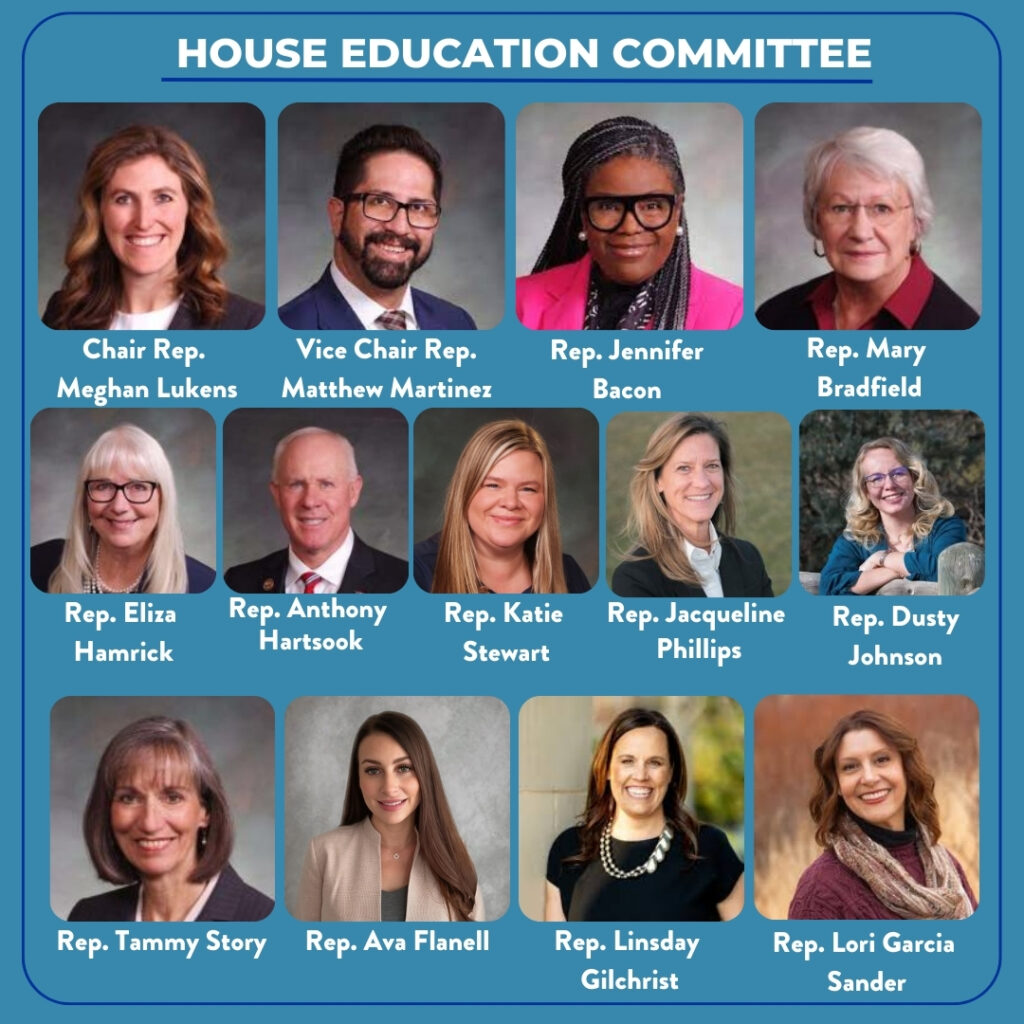
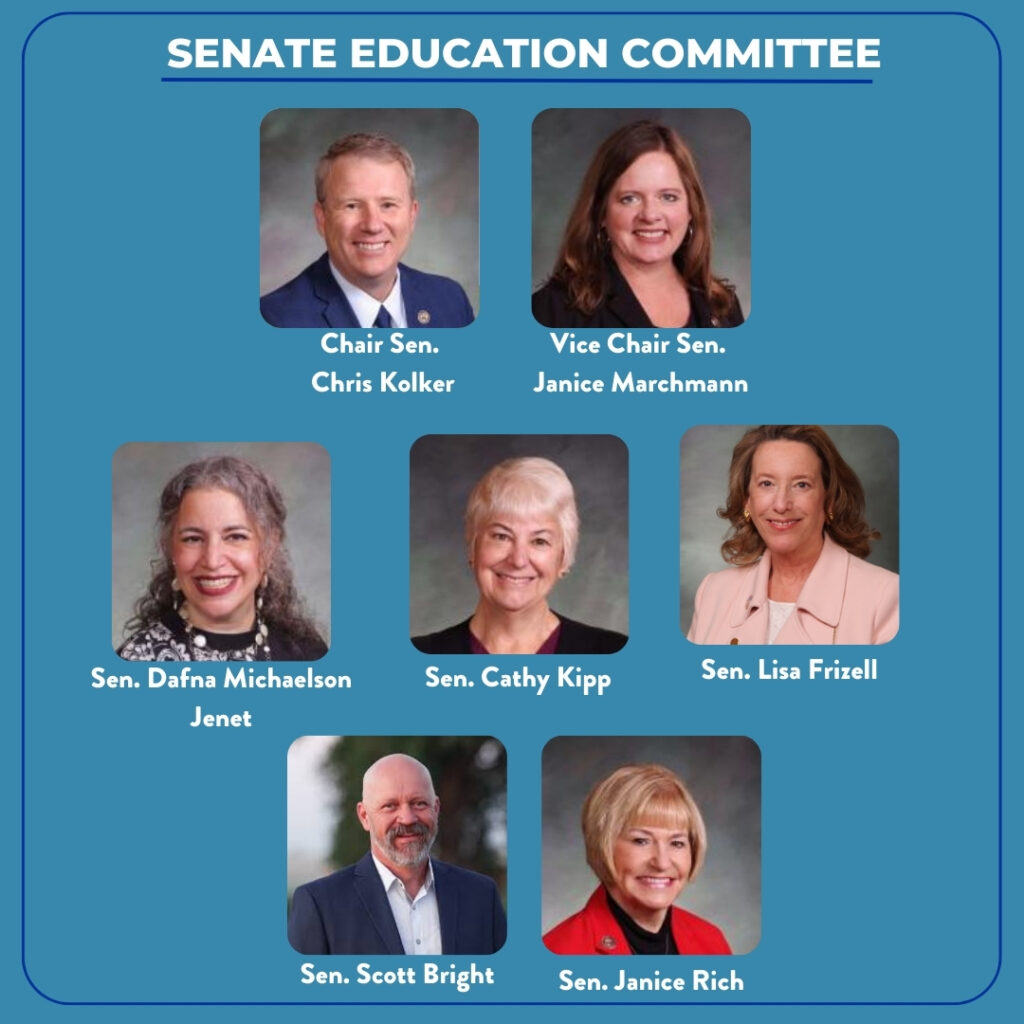
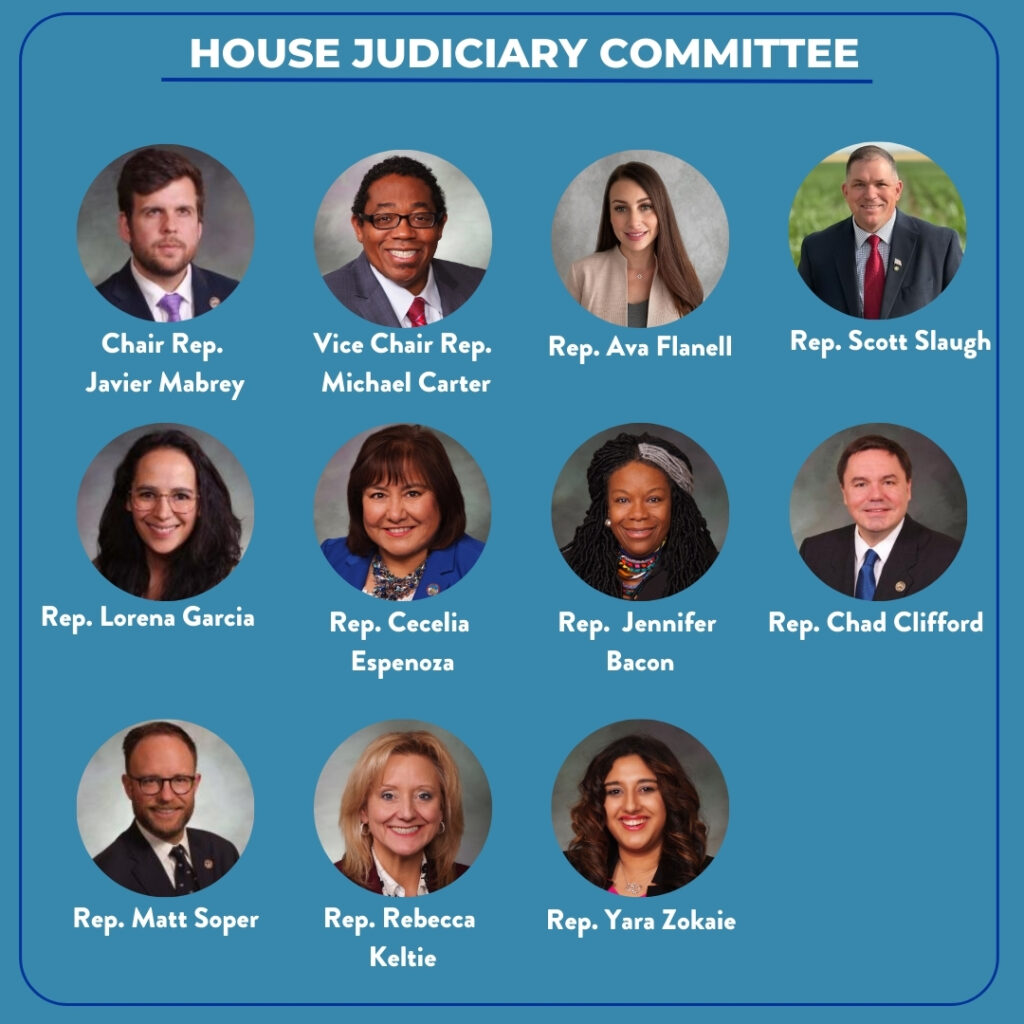
Key Legislative Committee Assignments
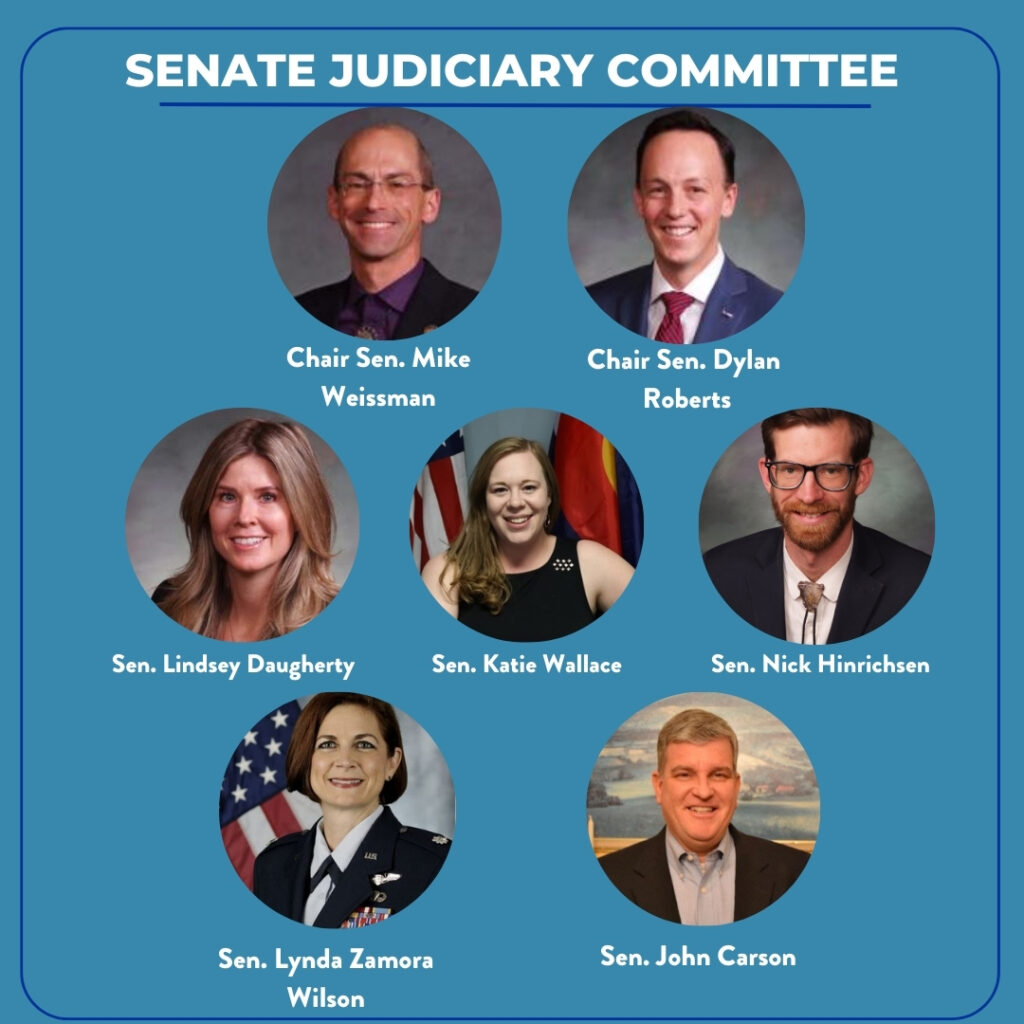
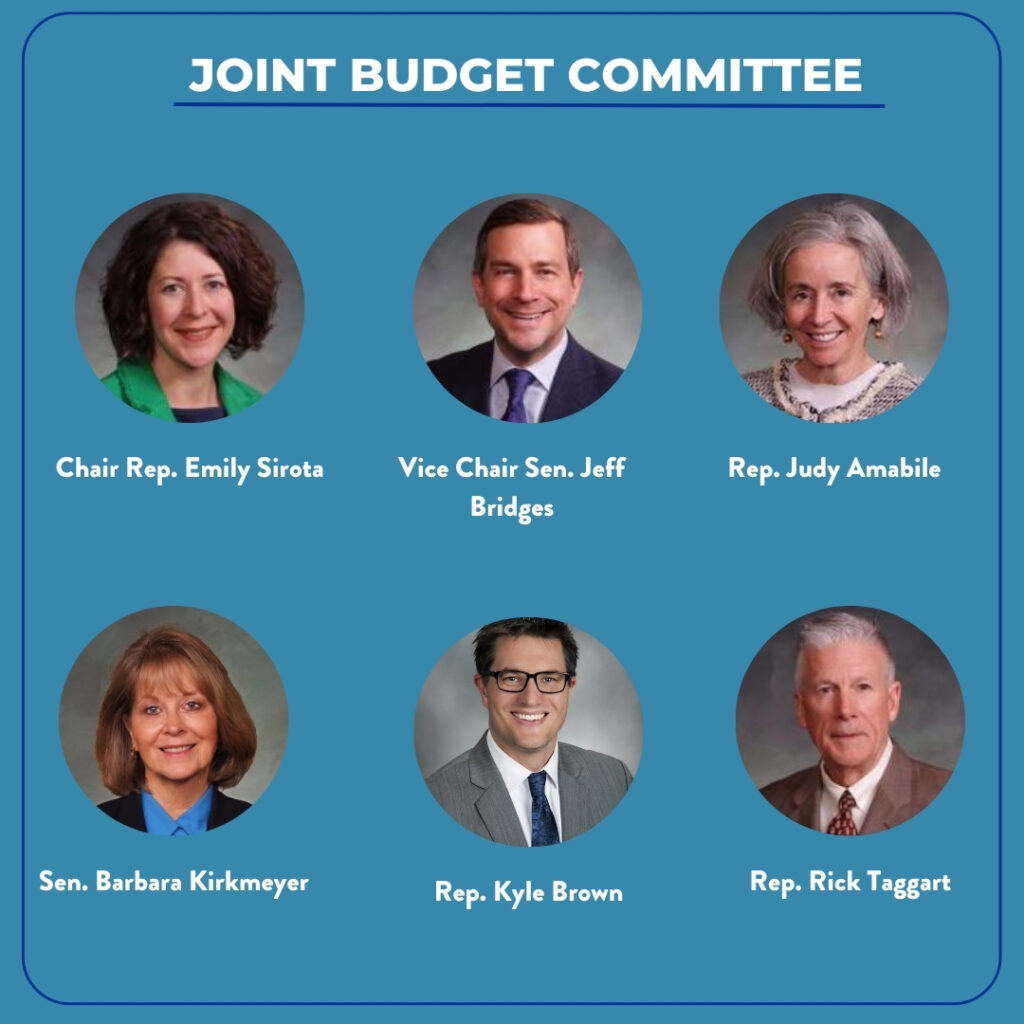
Our Take: our policy priorities
From school funding to youth justice, this session presents critical moments to protect progress and push for change. Lawmakers are grappling (again) with funding challenges, so that will be framing policy conversations throughout the legislative session. Below are the policy priorities guiding our advocacy this year—and how they connect to the real experiences of students, families, and communities across the state.
School Funding: Implement Year Two of the New Formula
After more than 30 years without an update, two years ago Colorado adopted a new school funding formula to better reflect student needs and the real cost of education. The formula was designed to be phased in over multiple years. Fully implementing Year two with additional funding will help protect our schools from ongoing challenges and support our students needs.
Criminal Justice: Restitution for People, Not Insurers
Criminal restitution is intended to repair harm to people, yet current Colorado law allows insurance companies to collect restitution through criminal court. This diverts payments away from natural persons and turns sentencing into a mechanism for private debt collection. Excluding insurers from criminal restitution—while preserving their ability to recover losses through civil court—restores restitution to its original purpose of accountability, rehabilitation, and fairness.
Keeping Families Connected: Free Prison Phone Calls
Regular communication between incarcerated people and their families improves rehabilitation, reentry outcomes, and safety inside facilities. Stand Colorado has been working to provide free-phone calls for families and incarcerated individuals since 2023. Colorado took a major step forward by passing HB23-1133 to make prison phone calls free, but full implementation depends on sustained funding and prioritized implementation by the Department. , While recognizing the financial realities of the state budget, this investments supports family connection and benefits public safety and taxpayers alike – it’s important that we continue funding to keep families connected.
Take Action: Get Involved
Get Involved!
At Stand Colorado, we deeply believe that policymaking is most effective when the voices of those impacted are at the center of decision-making. Want more regular updates about key bills and opportunities to engage? Follow us on social media to stay informed about ways to advocate for what matters to you!
What We’re Reading
- Chalkbeat Colorado, 2026 Colorado General Assembly: The people’s guide to following education issues
- Colorado Sun, Colorado lawmakers return to Capitol facing $850 million mountain of tough budget decisions
- Colorado Sun, Legislature mulls ballot measure that would ask voters to raise TABOR cap by billions primarily to fund Colorado’s schools


