Welcome to Capitol Week In Review, our newsletter where we’ll cut through the noise to bring you clear, timely updates on what’s moving and what it means for educational equity and efforts to increase opportunities for Colorado families.

Get this newsletter in your inbox every week:


In addition to one of our justice reform priority bills moving through the Capitol, we are excited to share that another policy priority was introduced: 

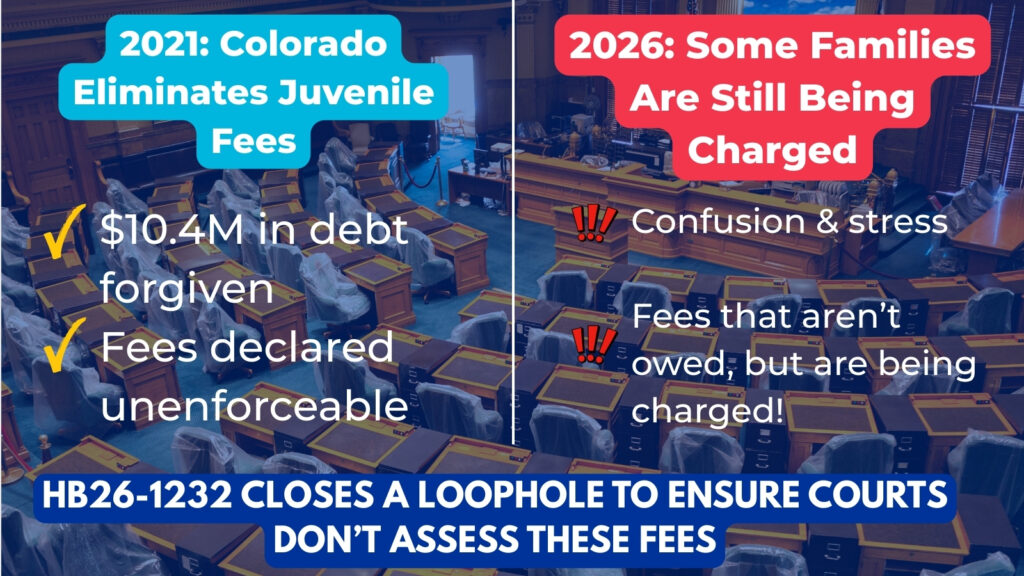
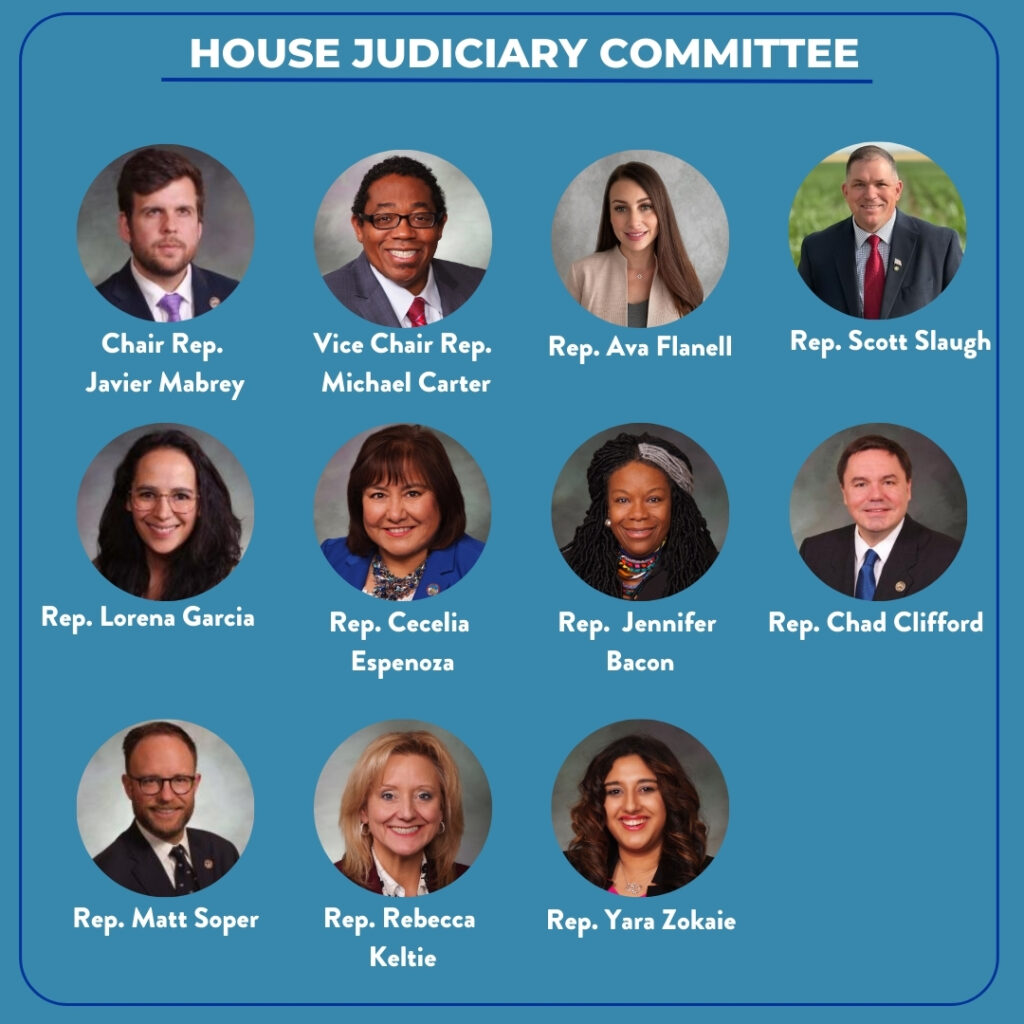
HB26- 1232 Court Costs Assessed to Juveniles would prohibit Colorado courts and the state from assessing or collecting administrative fees, costs, and surcharges against juveniles involved in the justice system or their parents, guardians, or legal custodians when the offense occurred before age 18 and sentencing was before age 21. This bill was introduced in the House and is awaiting scheduling in the House Judiciary Committee. 

HB26- 1017 Criminal Restitution Prohibited for Insurers would change how criminal restitution works by removing insurance companies from the definition of a “victim” for restitution purposes. Under the bill, insurers could no longer collect restitution through the criminal courts when they suffer losses; instead, they could pursue those losses through civil lawsuits against offenders if necessary. This bill is scheduled to be heard on the House Floor next week for second readings.      

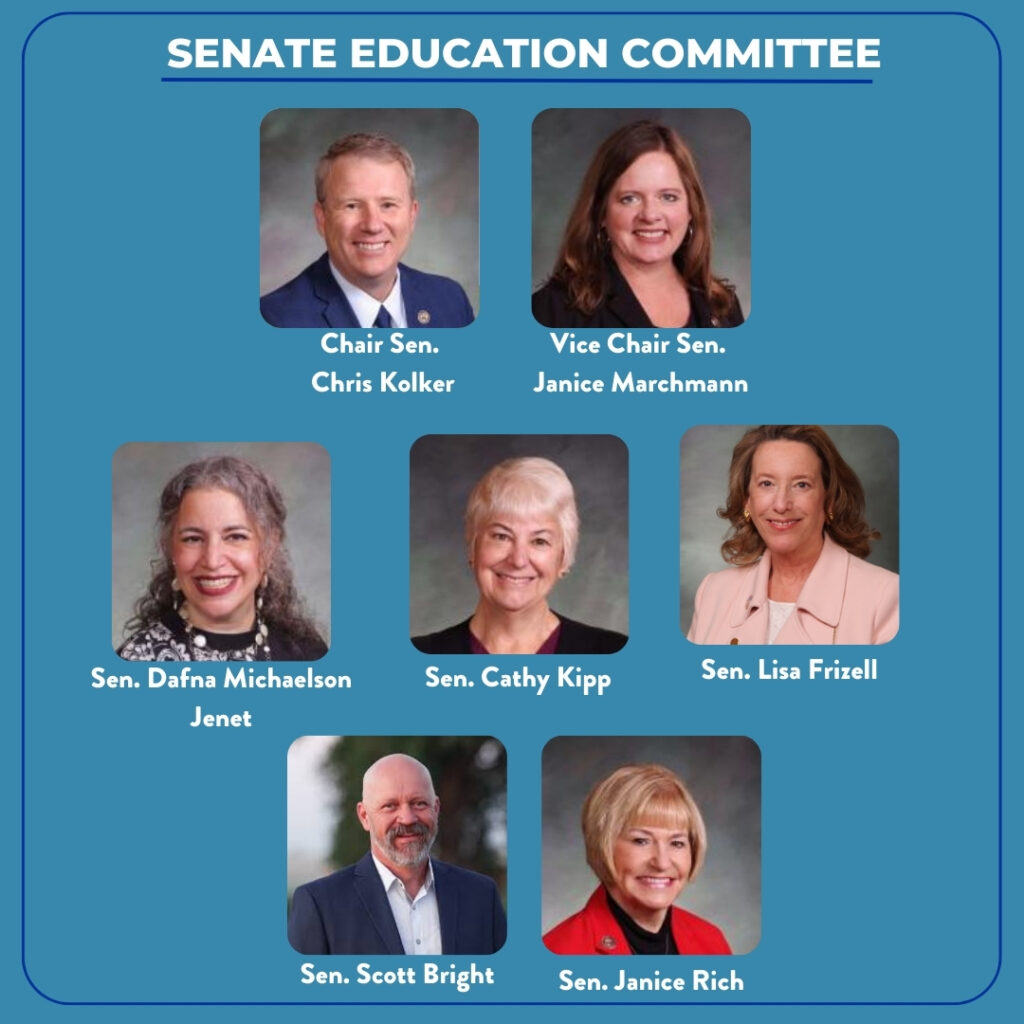
SB26-068 Modify Administration of Education Assessments would direct the Colorado Department of Education to limit standardized summative assessments to only the minimum extent necessary while still effectively measuring student learning, and, if needed, to apply for a federal waiver to reduce or modify those assessment requirements. This bill was introduced in the Senate and is awaiting scheduling in the Senate Education Committee.  

SB26-005 Rights Violation in Immigration Enforcement Remedy would allow people to sue in Colorado state courts if they believe their federal constitutional rights were violated during civil immigration enforcement, even if the person who caused the harm wasn’t acting under “color of law” (the appearance of having legal power). The bill creates a new cause of action with a two-year time limit for starting the case and lets plaintiffs seek legal, equitable, or other appropriate relief for injuries tied to immigration enforcement activities. This bill is being heard for second reading in the Senate this week.  

HB26-1064 Youthful Offender System Updates would update the state’s youthful offender system, which is a sentencing option focused on rehabilitation for younger justice-involved individuals. The bill revises eligibility and intent language to emphasize trauma-informed care, equitable treatment, and preparation for reentry, adds requirements for evidence-based rehabilitative and life-skills programming, and expands procedural protections and reporting requirements to better support juveniles and young adults in the system. This bill is awaiting scheduling in the Senate Judiciary Committee. 

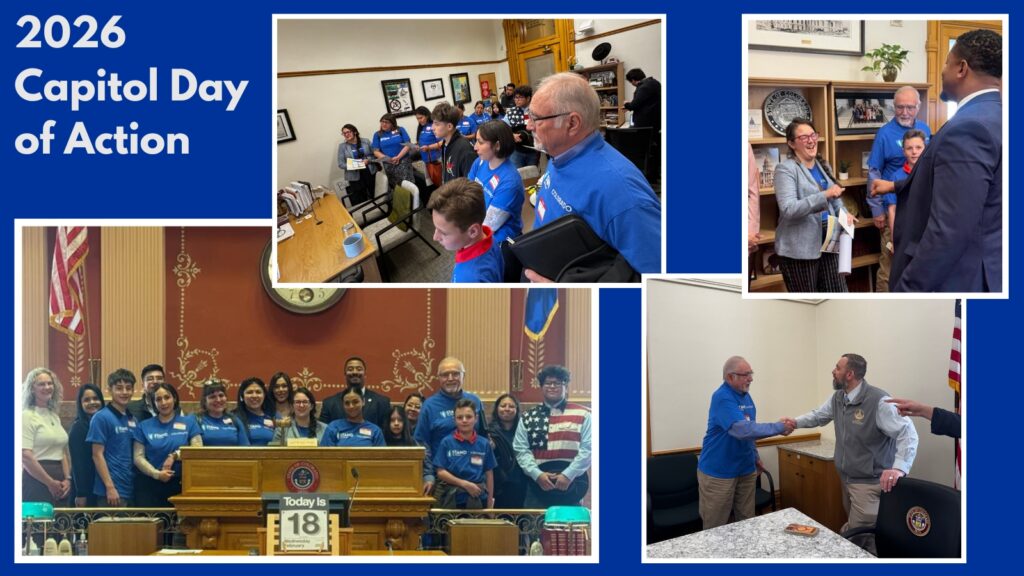
Last week, our Capitol Day of Action was a powerful reminder that policy is personal. 

Stand families from across Colorado came to the Capitol not just to observe the process — but to actively participate in it. Parents and community members met directly with lawmakers to share their lived experiences and talk about how our priority policies are shaping classrooms and communities across the state. From school funding and ninth grade success to justice reform and student well-being, they made it clear: these issues have real impact on real people. 

Throughout the day, participants met directly with lawmakers, received a tour of both the House and Senate chambers, and learned firsthand about the dynamics of how legislation is introduced, debated, amended, and passed. For many, it was their first time inside the Capitol and seeing democracy in action brought a new level of understanding to how decisions get made. 

We’re especially grateful to the legislators who took time to meet with us including Assistant Majority Leader Jen Bacon, Assistant Minority Leader Ty Winter, and Representatives Yara Zokaie, and Michael Carter, as well as Senator Mike Weissman & Senate President James Coleman. These conversations were thoughtful and direct 

Capitol Day wasn’t just about meetings; it was about building confidence, deepening civic understanding, and ensuring that the families most impacted by policy are at the center of the conversation. When families lead, Colorado moves forward. 


The Colorado Legislature eliminated juvenile administrative fees in 2021, but without clear statutory protections, some families are still receiving charges in court. HB26-1232 closes this loophole, prevents courts from assessing or collecting these costs, and aligns courtroom practice with state policy. 

The bill will be heard in the House Judiciary Committee.

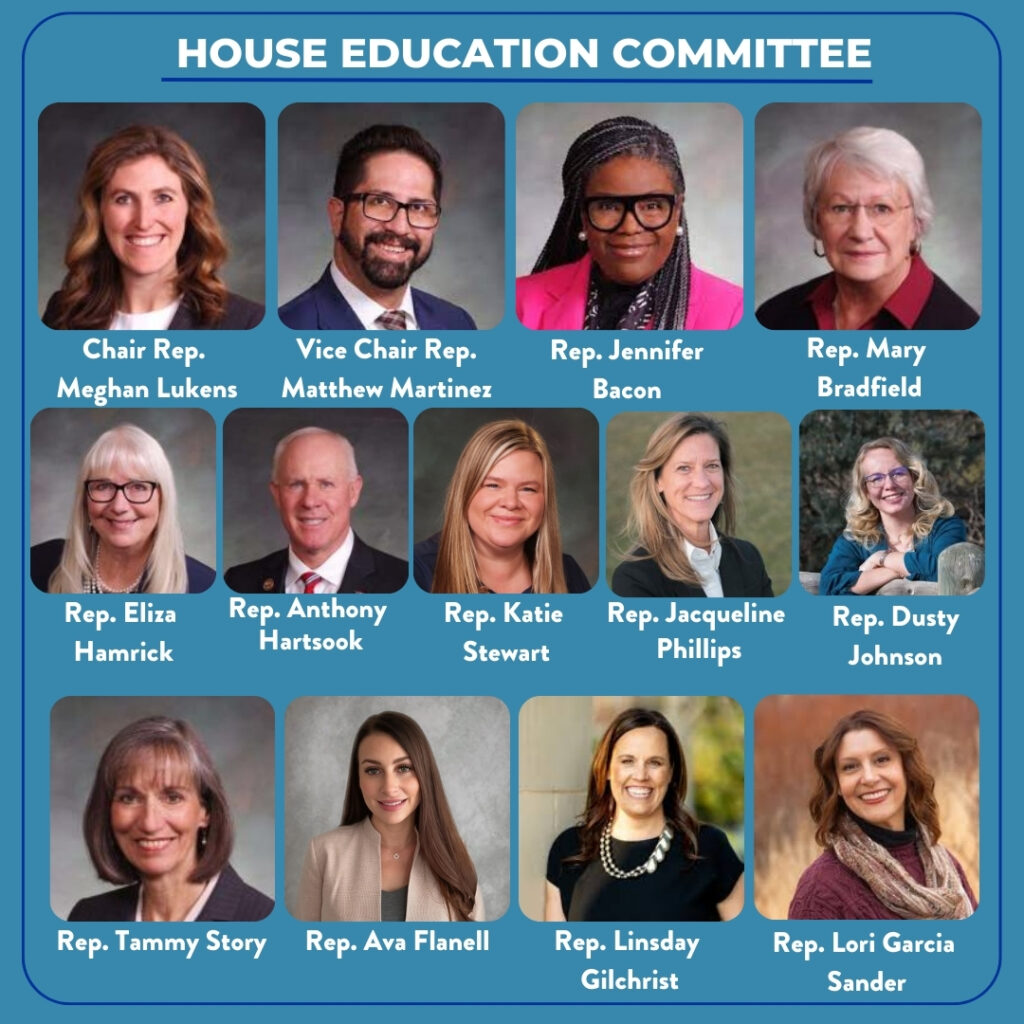
Email Committee members today and urge a YES vote to ensure families are fully protected.  

Welcome to Capitol Week In Review, our newsletter where we’ll cut through the noise to bring you clear, timely updates on what’s moving and what it means for educational equity and efforts to increase opportunities for Colorado families.

Get this newsletter in your inbox every week:


One of our justice reform priority bills continues to move through the Capitol: 

HB26- 1017 Criminal Restitution Prohibited for Insurers would change how criminal restitution works by removing insurance companies from the definition of a “victim” for restitution purposes. Under the bill, insurers could no longer collect restitution through the criminal courts when they suffer losses; instead, they could pursue those losses through civil lawsuits against offenders if necessary. This bill is scheduled to be heard on the House Floor next week.   

SB26-005 Rights Violation in Immigration Enforcement Remedy would allow people to sue in Colorado state courts if they believe their federal constitutional rights were violated during civil immigration enforcement, even if the person who caused the harm wasn’t acting under “color of law” (the appearance of having legal power). The bill creates a new cause of action with a two-year time limit for starting the case and lets plaintiffs seek legal, equitable, or other appropriate relief for injuries tied to immigration enforcement activities. This bill passed out of the Senate Judiciary Committee and is awaiting scheduling in the Senate Appropriations Committee.  

SB26-036 Prison Population Management Measures, updates Colorado’s response to prison overcrowding by requiring earlier alerts and ongoing reporting when capacity is reached. It also speeds up safe release options, like expedited parole reviews, earned-time credits, and alternatives to incarceration, to reduce the prison population without compromising public safety. This bill was introduced in the Senate and is awaiting scheduling in the Senate Judiciary Committee.   

HB26-1050 Optional Individualized Readiness Plan for School would change current education law so that local education providers are no longer required to create an individualized readiness plan for preschool or kindergarten students who score proficient on both a school readiness assessment and a kindergarten reading assessment. Instead, providing such a plan for those students becomes optional rather than mandatory. This bill is awaiting scheduling for second reading on the House floor.  

For many people leaving incarceration, the sentence doesn’t actually end when they walk out the door. It follows them, month after month, paycheck after paycheck, through a restitution system that can keep growing even when they do everything right. 

Kyle Giddings, Deputy Director of the Colorado Criminal Justice Reform Coalition, described that reality to lawmakers. After taking responsibility for his actions and pleading guilty in 2013, he was ordered to pay restitution, not to a harmed individual, but to an insurance company. 

“I accepted that obligation. I started paying.”  

He has paid consistently for over a decade. But interest kept accumulating. 

“That means my total remaining balance is $88 thousand dollars — more than I originally owed — after more than a decade of making payments.”  

Even with a stable job and a $1,100 monthly wage garnishment, the debt keeps growing. 

“But it is not easy. And it gets harder every year.”  

His experience is not unusual; it is a structural problem. Colorado’s restitution system was designed to repair harm, yet in practice it often operates like a permanent debt collection system where payments can go to corporations instead of victims. That undermines reentry, destabilizes families, and makes public safety worse by keeping people trapped in financial crisis long after accountability has been taken. 

HB26-1017 draws a clear line: restitution should prioritize people who were harmed, not corporate reimbursement. As Giddings told legislators, “There is a meaningful difference between compensating a natural person who was harmed and reimbursing a corporation designed to manage risk.”  When people can rebuild their lives, secure housing, maintain employment, and support their families, communities are safer. Smart justice means accountability paired with a real path forward. 


Email your Representative and urge them to vote YES on HB26-1017. Colorado has the opportunity to move from permanent punishment to real restoration, but lawmakers need to hear from you today. 

Welcome to Capitol Week In Review, our newsletter where we’ll cut through the noise to bring you clear, timely updates on what’s moving and what it means for educational equity and efforts to increase opportunities for Colorado families.

Get this newsletter in your inbox every week:


One of our justice reform priority bills is gaining momentum at the Capitol: 

HB26- 1017 Criminal Restitution Prohibited for Insurers would change how criminal restitution works by removing insurance companies from the definition of a “victim” for restitution purposes. Under the bill, insurers could no longer collect restitution through the criminal courts when they suffer losses; instead, they could pursue those losses through civil lawsuits against offenders if necessary. This bill passed the House Judiciary Committee on February 3rd, 7-4, and will likely be heard on second reading on the House floor next week.  

SB26-005 Rights Violation in Immigration Enforcement Remedy would allow people to sue in Colorado state courts if they believe their federal constitutional rights were violated during civil immigration enforcement, even if the person who caused the harm wasn’t acting under “color of law” (the appearance of having legal power). The bill creates a new cause of action with a two-year time limit for starting the case and lets plaintiffs seek legal, equitable, or other appropriate relief for injuries tied to immigration enforcement activities. This bill passed out of the Senate Judiciary Committee with a vote of 5-2.  

HB26-1028 Second Language Educational Program for High School Studentscreates a diploma endorsement for bilingualism for graduating high school students. This bill was heard in the House Education Committee on Thursday, February 5th and passed with a vote of 8-5. 

SB26-036 Prison Population Management Measures, updates Colorado’s response to prison overcrowding by requiring earlier alerts and ongoing reporting when capacity gets is being reached. It also speeds up safe release options, like expedited parole reviews, earned-time credits, and alternatives to incarceration, to reduce the prison population without compromising public safety. This bill was introduced in the Senate.  

HB26-1050 Optional Individualized Readiness Plan for School would change current education law so that local education providers are no longer required to create an individualized readiness plan for preschool or kindergarten students who score proficient on both a school readiness assessment and a kindergarten reading assessment. Instead, providing such a plan for those students becomes optional rather than mandatory. This bill is awaiting second reading on the House floor, likely next week.

Colorado’s restitution system was created to help victims recover, not to trap families in cycles of poverty after someone has already served their sentence. Yet today, large portions of restitution payments can go to insurance companies instead of directly to victims, turning a tool for healing into long-term financial punishment that follows people long after incarceration. HB26-1017 takes a common-sense step by prioritizing real victims over corporate reimbursement, so restitution works the way it was intended. 

Research and reporting have shown that restitution debt is one of the biggest barriers to successful reentry. People leaving incarceration already face steep odds, including housing barriers, limited employment opportunities, supervision fees, and the cost of rebuilding their lives. When restitution functions like lifelong debt collection rather than repair, it delays stability and increases the likelihood that someone falls back into the system. Public safety improves when people can work, support their families, and reintegrate, not when they are buried in unpayable debt. 

Kyle Giddings, Deputy Director of the Colorado Criminal Justice Reform Coalition, shared his story on what this looks like in real life. After taking responsibility for what he did in 2013, he was ordered to pay $78,000 in restitution to an insurance company. After more than a decade of consistent payments, he has paid $54,000. Yet due to years of high interest, he now owes more than he initially did with a remaining balance of about $88,000. Despite a stable job and monthly wage garnishment, the debt continues to grow, demonstrating how restitution can become harmful and permanent punishment rather than accountability. 

HB26 1017 is about balance. It maintains accountability while making sure restitution actually supports recovery and stability instead of corporate repayment. For us, this is what smart justice looks like: policies that recognize harm, support victims, and give families a real chance to move forward. Colorado can choose a system focused on restoration instead of permanent punishment. 


Get Involved! 

At Stand Colorado, we deeply believe that policymaking is most effective when the voices of those impacted are at the center of decision-making. Want more regular updates about key bills and opportunities to engage? Follow us on social media to stay informed about ways to advocate for what matters to you!  


Welcome to Capitol Week In Review, our newsletter where we’ll cut through the noise to bring you clear, timely updates on what’s moving and what it means for educational equity and efforts to increase opportunities for Colorado families.

Get this newsletter in your inbox every week:


One of our justice reform priority bills is officially scheduled for a hearing. Here’s what’s next.

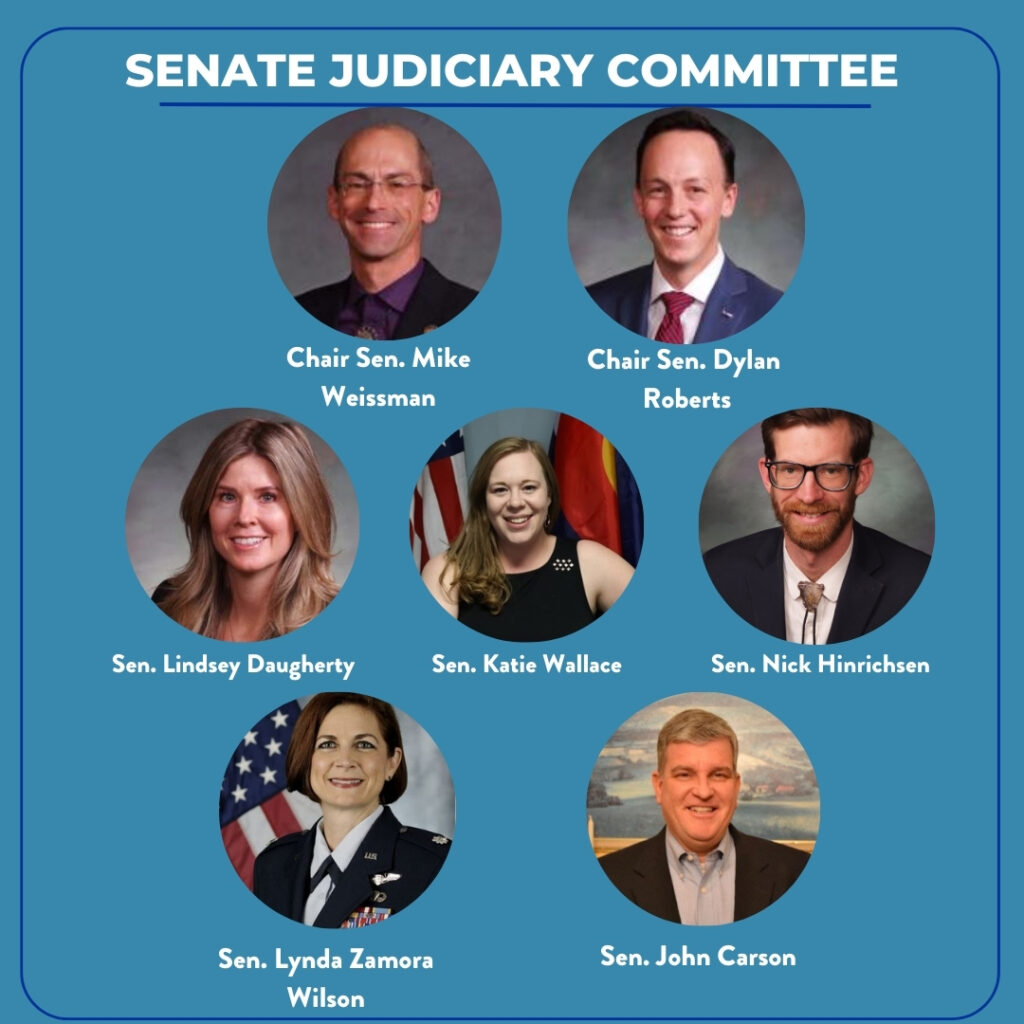
HB26- 1017 Criminal Restitution Prohibited for Insurers, would change how criminal restitution works by removing insurance companies from the definition of a “victim” for restitution purposes. Under the bill, insurers could no longer collect restitution through the criminal courts when they suffer losses; instead, they could pursue those losses through civil lawsuits against offenders if necessary. This bill is scheduled to be heard on February 3rd in the House Judiciary Committee, upon adjournment. 

SB26-005 Rights Violation in Immigration Enforcement Remedy would allow people to sue in Colorado state courts if they believe their federal constitutional rights were violated during civil immigration enforcement, even if the person who caused the harm wasn’t acting under “color of law” (the appearance of having legal power). The bill creates a new cause of action with a two-year time limit for starting the case and lets plaintiffs seek legal, equitable, or other appropriate relief for injuries tied to immigration enforcement activities. This bill is scheduled to be heard on February 2nd in the Senate Judiciary Committee at 1:30pm.

HB26-1064 Youthful Offender System Updates would update the state’s youthful offender system, which is a sentencing option focused on rehabilitation for younger justice-involved individuals. The bill revises eligibility and intent language to emphasize trauma-informed care, equitable treatment, and preparation for reentry, adds requirements for evidence-based rehabilitative and life-skills programming, and expands procedural protections and reporting requirements aimed at better supporting juveniles and young adults in the system. This bill was introduced in the House and is scheduled to be heard February 10th at 1:30 pm in the House Health & Human Services Committee. 

SB26-036 Prison Population Management Measures focuses on improving how the state manages prison populations when facilities become overcrowded. It requires the Department of Corrections to regularly report on compliance with prison population management mandates and expands the notification process and responsive measures when bed vacancy rates fall below 3% for an extended period, including steps to transition certain inmates, expedite parole reviews, and encourage alternatives to incarceration where appropriate. This bill was introduced in the Senate and is awaiting hearing scheduling in the Senate Judiciary Committee. 

HB26-1050 Optional Individualized Readiness Plan for School would change current education law so that local education providers are no longer required to create an individualized readiness plan for preschool or kindergarten students who score proficient on both a school readiness assessment and a kindergarten reading assessment. Instead, providing such a plan for those students becomes optional rather than mandatory. This bill was heard on January 29th in the House Education Committee and was referred back to the House.

Colorado’s communities should be places of safety, dignity, and belonging. Yet we are collectively witnessing as across the nation, our state, families  experience unlawful home entries, racial profiling, wrongful detention including of U.S. citizens, and excessive force during civil immigration enforcement actions. These harms do not exist in isolation. They ripple through neighborhoods, schools, and workplaces, creating fear and instability that undermines community trust. What makes this reality even more troubling is that under current law, people harmed during civil immigration enforcement often have no meaningful way to seek accountability, even when their constitutional rights are violated. When constitutional protections cannot be enforced, they fail the very people they are meant to protect.

This week at the Capitol, lawmakers are considering SB26-005, legislation that draws a clear line around accountability. The bill creates a state level legal pathway for individuals whose constitutional rights are violated during civil immigration enforcement to seek relief and justice. At its core, SB26-005 affirms a fundamental principle that constitutional rights apply to everyone, regardless of immigration status.

During these unpresented times we are living through, Colorado must continue to move toward policies that protect families, uphold constitutional rights, and ensure our communities remain places of safety, dignity, and opportunity for all.


Get Involved! 

At Stand Colorado, we deeply believe that policymaking is most effective when the voices of those impacted are at the center of decision-making. Want more regular updates about key bills and opportunities to engage? Follow us on social media to stay informed about ways to advocate for what matters to you!  


This week, the Denver Public Schools Communication Devices Advisory Committee (CDAC) held its second meeting, continuing the district’s discussion on student communication device policies, including bell-to-bell phone-free approaches, and how those policies intersect with accessibility, equity, and student safety. 

Below is a summary of key updates, testimony, and themes from the meeting:

Public Comment Highlights

Public commenters expressed strong support for bell-to-bell phone-free policies, citing research and lived experience that link unrestricted technology use to increased anxiety, reduced focus, poor sleep, and challenges to student well-being. Speakers emphasized that partial or instructional-time-only policies place an unfair enforcement burden on teachers and create inconsistencies across classrooms. Parents highlighted the opportunity for DPS to lead with an equitable, student-centered approach that supports learning, mental health, and school culture.

Multilingual Learners (MLLs) and Linguistic Access

The committee reviewed legal requirements and best practices for ensuring linguistic access for MLL students under ESSA (Every Student Succeeds Act), state ELPA (English Language Proficiency Act) requirements, and the DPS Consent Decree.

Key Takeaways:

  • Linguistic access goes beyond English translation and includes allowing students to use their native language to understand complex ideas, demonstrate knowledge, and fully participate in learning.
  • Examples of approved linguistic tools include pocket translators, handheld scanners, camera-based translation tools, speech-to-speech translation, and district-approved software such as Google Translate and Google Read&Write on district-issued devices.
  • DPS policy language should clearly state that technology restrictions, including cell phone policies, must not prevent access to necessary linguistic tools.

Students with IEPs and Section 504 Plans

The committee discussed the role of assistive technology under IDEA (Individuals with Disabilities Education Act) and the importance of explicitly protecting communication devices used by students with disabilities.

Key points included:

  • Assistive technology is essential, not optional, and includes any equipment or system that increases, maintains, or improves a student’s functional capabilities.
  • Communication tools such as tablets with communication apps, speech-generating devices, and symbol-based systems must be allowed and protected throughout the school day.
  • Policy language must clearly state that device restrictions cannot limit communication or access to instruction for students with disabilities.

There is also an opportunity for public comment at upcoming meetings, with time set aside at the beginning for community voices.

Nursing Services and Medical Needs

Members emphasized the need for policies to protect access to medically necessary devices.

Examples discussed:

  • Cell phones or devices linked to continuous glucose monitors (CGMs), insulin pumps, cardiac or neurological monitoring systems.
  • Apps such as Dexcom Follow and Dexcom Sugarmate often require a personal smartphone to be within 20 feet of the student, creating challenges under a bell-to-bell phone-free policy.
  • For students with IEPs or 504 plans, these tools are medical supports critical to student health and safety.

Policy Questions and Tensions Raised

  • Do students access these tools through DPS-issued equipment or personal devices?
  • How will accessibility be ensured when DPS-issued devices are damaged or delayed in replacement?
  • Are cell phones the only viable option for some medical monitoring needs, or could iPads be used (and at what fiscal cost)?
  • How will staff — including substitute teachers — be informed about student exemptions?
  • With over 30,000 MLL students, 14,000 students with IEPs, and 195 languages spoken in DPS homes, how can policy language be inclusive, practical, and enforceable?

Some questions, including how many students currently rely on DPS-issued equipment, were tabled for future discussion.

Small Group Work (Gallery Walk)

Committee members broke into groups to discuss:

  • Intended benefits of communication device use for specific student populations
  • Potential unintended consequences of restrictive policies
  • Intersections between access tools and communication devices
  • Policy language that could address these challenges

Closing and Next Steps

  • A survey will be released next week to gather broader feedback.
  • Members noted growing agreement around bell-to-bell phone-free approaches, including examples from KCAA where students showed improved attention and engagement.
  • A recurring theme was the need for transparent, inclusive policy language and strong cross-department coordination to ensure policies are realistic and workable in schools.

Upcoming CDAC Meeting & Public Comment Opportunity

  • The next CDAC meeting will take place on February 10.
  • Community members will have an opportunity to provide public comment.
  • Sign up for public comment can be submitted in advance using this form.

We’ll continue to monitor CDAC’s progress and share updates as the conversation moves forward. As always, thank you for staying engaged in this important work for DPS students and families.
Welcome to Capitol Week In Review, our newsletter where we’ll cut through the noise to bring you clear, timely updates on what’s moving and what it means for educational equity and efforts to increase opportunities for Colorado families.

Get this newsletter in your inbox every week:


Momentum is building on one of our justice reform priority policies. Read on to see where it’s headed.

HB26- 1017 Criminal Restitution Prohibited for Insurers, would change how criminal restitution works by removing insurance companies from the definition of a “victim” for restitution purposes. Under the bill, insurers could no longer collect restitution through the criminal courts when they suffer losses; instead, they could pursue those losses through civil lawsuits against offenders if necessary. This bill is tentatively scheduled to be heard on February 3rd in the House Judiciary Committee, upon adjournment. 

SB26-005 Rights Violation in Immigration Enforcement Remedy would allow people to sue in Colorado state courts if they believe their federal constitutional rights were violated during civil immigration enforcement, even if the person who caused the harm wasn’t acting under “color of law” (the appearance of having legal power). The bill creates a new cause of action with a two-year time limit for starting the case and lets plaintiffs seek legal, equitable, or other appropriate relief for injuries tied to immigration enforcement activities. This bill was introduced in the Senate and is awaiting scheduling of a hearing in the Senate Judiciary Committee. 

HB26-1064 Youthful Offender System Updates would update the state’s youthful offender system, which is a sentencing option focused on rehabilitation for younger justice-involved individuals. The bill revises eligibility and intent language to emphasize trauma-informed care, equitable treatment, and preparation for reentry, adds requirements for evidence-based rehabilitative and life-skills programming, and expands procedural protections and reporting requirements aimed at better supporting juveniles and young adults in the system. This bill was introduced in the House and is awaiting hearing scheduling in the House Health & Human Services Committee. 

HB25-1135, legislation we advocated for last year, requires school districts develop a policy for cell phones in schools by July  2026.  School boards are having conversations now, and have an opportunity to impact the daily experience of every student in Colorado. 

The evidence is clear: bell-to-bell phone-free policies, where phones are put away for the entire school day, are the most effective and equitable approach. These policies reduce distractions, strengthen school culture, support student mental health, and give teachers the space to teach and students the space to learn.

This isn’t about punishment—it’s about creating learning environments where young people can focus, build real relationships, and develop the skills they need for life beyond the classroom.


Want to learn more or be part of the conversation? We invite parents, educators, and community members to join our Phone-Free Schools Community Information Session  to hear what we’re learning, ask questions, and explore what this could look like in districts across Colorado.

Creating phone-free schools will take collaboration—and we’re excited to keep building this movement together.

If you have time, take a look at our video on Phone Free Schools: 


Denver Public Schools’ Communication Devices Advisory Committee (CDAC) met for the first time on Tuesday January 27, to continue shaping recommendations for a districtwide cell phone policy. We wanted to share a quick update on what happened, what we’re hearing, and how it connects directly to our work on phone-free schools.

As shown below, CDAC will meet twice a month through April, and we will be present to keep the community informed on their progress:

  • January 27, 2026 
  • February 3, 2026 
  • February 10, 2026 
  • February 24, 2026 
  • March 10, 2026 
  • March 24, 2026 
  • April 7, 2026

Who was at the table
The committee brings together a broad range of voices: parents, educators, principals, mental health professionals, community advocates, and students. All are grappling with the same core question: How do we create school environments where students can learn, connect, and thrive without constant digital distraction?

What the conversation focused on
Committee members reviewed examples from other Colorado districts that have already implemented administrative cell phone policies, including BVSD,  Adams 12Colorado Springs, D11, and Mesa. A few key themes came up repeatedly:

  • Clarity matters. Policies need simple, student-friendly language that clearly names which devices are covered and when they’re restricted.
  • Bell-to-bell consistency. Many members emphasized that “all or nothing” approaches are easier to understand and enforce, especially when phones are kept away for the full school day.
  • The “why” is essential. Framing phone-free policies as a way to protect student mental health, learning time, and social connection — not as punishment — resonated strongly.
  • Age-appropriate supports. There was recognition that older students may need additional support, communication, and buy-in.
  • Emergency access. Families’ concerns about emergencies were discussed, with an emphasis on clear, reliable school-based communication systems.
  • Evidence-based policy. Committee members lifted up research showing improved focus, stronger social skills, and even higher student happiness and academic outcomes when phones are limited during the school day.

What’s next

  • April 7: CDAC finalizes its recommendations
  • April 15: Recommendations are presented to the DPS Board of Education
  • April–June: Policy drafting and refinement

There is also an opportunity for public comment at upcoming meetings, with time set aside at the beginning for community voices.

Why this matters for our work

Everything discussed reinforces what we’ve been saying all along: bell-to-bell phone-free policies are an equity-centered, evidence-based investment in students. When phones are away all day, students get more learning time, stronger relationships, and healthier school cultures, and educators can focus on teaching instead of policing screens.

We’ll continue showing up, sharing research, and lifting up parent and educator voices to ensure DPS prioritizes students with the strongest policy.

Thank you for staying engaged and standing with us as we advocate for school environments where students can truly be present.

More information and resources to learn more:

Welcome to Capitol Week In Review, our newsletter where we’ll cut through the noise to bring you clear, timely updates on what’s moving and what it means for educational equity and efforts to increase opportunities for Colorado families.

Get this newsletter in your inbox every week:


With the ceremonial dust settling, the Second Session of the 75th General Assembly is now underway. Lawmakers were sworn in, committees took shape, and early legislation began surfacing; setting the stage for the real work ahead.

Priority Legislation Update: We’re excited to share that one of our priority justice reform policies was introduced this week:

HB26- 1017 Criminal Restitution Prohibited for Insurers, would change how criminal restitution works by removing insurance companies from the definition of a “victim” for restitution purposes. Under the bill, insurers could no longer collect restitution through the criminal courts when they suffer losses; instead, they could pursue those losses through civil lawsuits against offenders if necessary.

Other Related Legislative Updates: 

Education Smart ACT hearings were this week, which covered a broad range of topics, mostly centering on school funding and reports from the Department of Education and Early Childhood, focusing on agency goals and performance metrics. Also notable was a deep-dive panel discussion on school finance, featuring representatives from various school districts to address the current challenges and future needs of school funding and the implementation of HB24-1448. You can listen to the recording here.

State of the State Address

Governor Polis used his final State of the State to emphasize a “Colorado for All” agenda focused on affordability, opportunity, and safety, highlighting major investments that directly support families. He pointed to expanded access to free preschool and free full day kindergarten, efforts to fully fund schools including eliminating the Budget Stabilization Factor, and steps to raise educator pay and strengthen early learning as foundational to long term student success.

For families’ economic stability, Polis underscored tax relief and affordability measures, including the Family Affordability Tax Credit, expansions to the earned income and child tax credits, and efforts to cut housing costs, framing these as strategies that help families stay rooted and thrive. On justice and public safety, he highlighted data showing declines in violent and property crime and emphasized prevention focused approaches, while also naming the importance of keeping communities safe and supporting systems that reduce harm.

Across the address, Polis repeatedly framed policy decisions through the lens of protecting everyday Coloradans, especially in the face of federal uncertainty, calling for a session grounded in practical solutions that strengthen schools, stabilize family finances, and advance a safer, fairer Colorado.

You can watch the recording here.

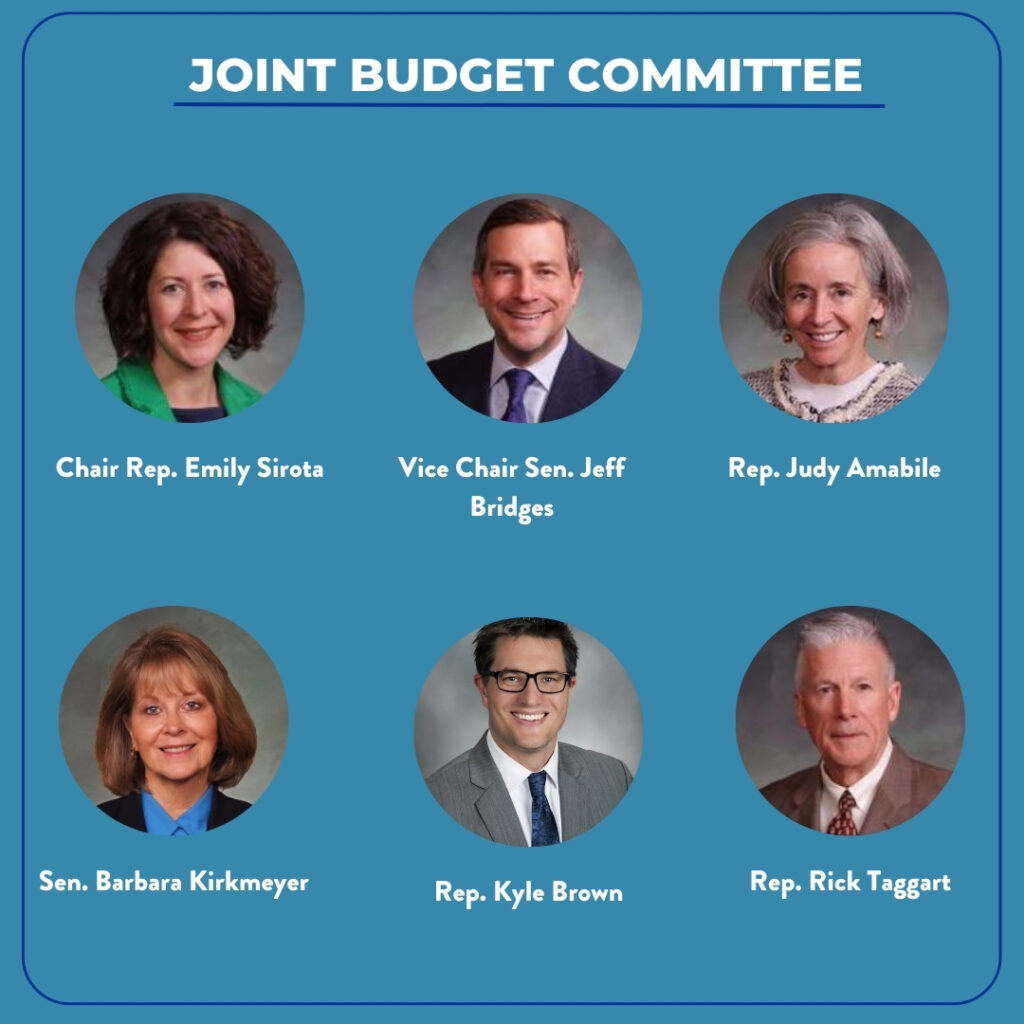
Key Legislative Committee Assignments

From school funding to youth justice, this session presents critical moments to protect progress and push for change. Lawmakers are grappling (again) with funding challenges, so that will be framing policy conversations throughout the legislative session. Below are the policy priorities guiding our advocacy this year—and how they connect to the real experiences of students, families, and communities across the state.

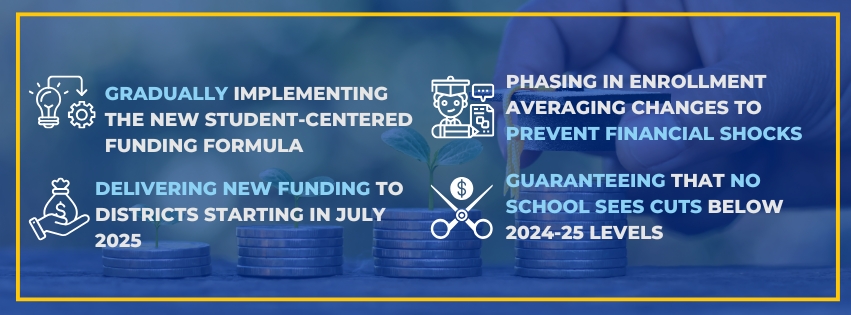
School Funding: Implement Year Two of the New Formula

After more than 30 years without an update, two years ago Colorado adopted a new school funding formula to better reflect student needs and the real cost of education. The formula was designed to be phased in over multiple years. Fully implementing Year two with additional funding will help protect our schools from ongoing challenges and support our students needs. 

Criminal Justice: Restitution for People, Not Insurers

Criminal restitution is intended to repair harm to people, yet current Colorado law allows insurance companies to collect restitution through criminal court. This diverts payments away from natural persons and turns sentencing into a mechanism for private debt collection. Excluding insurers from criminal restitution—while preserving their ability to recover losses through civil court—restores restitution to its original purpose of accountability, rehabilitation, and fairness.

Keeping Families Connected: Free Prison Phone Calls

Regular communication between incarcerated people and their families improves rehabilitation, reentry outcomes, and safety inside facilities. Stand Colorado has been working to provide free-phone calls for families and incarcerated individuals since 2023. Colorado took a major step forward by passing HB23-1133 to make prison phone calls free, but full implementation depends on sustained funding and prioritized implementation by the Department. , While recognizing the financial realities of the state budget, this investments supports family connection and benefits public safety and taxpayers alike – it’s important that we continue funding to keep families connected. 


Get Involved! 

At Stand Colorado, we deeply believe that policymaking is most effective when the voices of those impacted are at the center of decision-making. Want more regular updates about key bills and opportunities to engage? Follow us on social media to stay informed about ways to advocate for what matters to you!  


Welcome to Capitol Week In Review, our newsletter keeping you informed about policy concerning educational equity and criminal justice reform.  You will also hear from us about opportunities to engage in advocacy on topics important to you.

Get this newsletter in your inbox every week:


We’re excited to share promising progress updates on a couple of our priority bills:

As we near the end of the legislative session, things are moving fast! Check out the latest progress updates on our priority bills:

HB25-1320, School Finance Act, extends the transition to Colorado’s new school funding formula by one year, now fully implementing it in 2031-32.  This bill increases funding for education by nearly $256 million. This bill is scheduled to be heard in the Senate Education Committee on April 30th at 1:30pm. 

HB 25-1026, Repeal Co-payment for Department of Corrections (DOC) Inmate Health Care, stops the Department of Corrections from charging medical fees to incarcerated individuals seeking healthcare, separate from what is billed to insurance and already provided by the state. This bill passed out of the Senate Judiciary Committee and is awaiting to be scheduled in the Senate Appropriations Committee. 

HB 25-1146, Juvenile Detention Bed Caps,was drastically amended with a “strike below” that changed this bill to overhaul juvenile detention funding in Colorado.
The bill increases the number of emergency detention beds in the Division of Youth Services from 22 to 39, allows more flexibility in when the beds can be used, and requires the development of a pilot program for body cameras to be worn in youth detention facilities. More importantly, the bill now creates a grant program for youth deflection and diversion services; it will provide competitive grants for three years to implement a mixed-delivery system of trauma-informed health and development deflection programs for youth. In total, this package for youth justice and diversion comes with an appropriation totaling $10.8 million to the Department of Human Services and the Department of Public Safety. This bill passed third reading in the House and is now scheduled to be heard in the Senate Health and Human Services Committee on May 1st at 1:30pm. 

HB25-1192, Financial Literacy Graduation Requirement, mandates that Colorado high school students successfully complete a financial literacy course before graduating. Additionally, the bill requires students to practice either the Free Application for Federal Student Aid (FAFSA) or the Colorado Application for State Financial Aid (CASFA). This bill passed second reading in the House and is scheduled to be heard in the House on April 28th for third reading. 

SB25-315 Postsecondary & Workforce Readiness Programs, consolidates four existing postsecondary and workforce readiness (PWR) programs into a streamlined two-part structure to expand access and reduce administrative burdens. It creates a Start-Up Fund ($14M) to replace the ASCENT program and reward districts for postsecondary credits, credentials, and work-based learning outcomes. This bill was introduced in the Senate and awaiting a hearing in the Senate Appropriations Committee.

HB25-1274 Healthy School Meals for All Program, refers two ballot issues to the voters in November to allow the state retain a portion of TABOR refunds and to increase taxes by $95 million annually by increasing state taxable income to support the healthy school meals for all program. This bill passed the Senate Finance Committee with a vote of 6-3.

HB25-1153, Statewide Government Language Access Assessment, requires a statewide language access assessment across Colorado’s principal departments to evaluate and improve services for non-English speakers. The assessment will review language access needs, existing resources, and expenditures. A final report with recommendations is due by December 31, 2026. This bill is awaiting scheduling in the Senate State, Veterans, & Military Affairs Committee.

This week, Colorado lawmakers finalized the state’s $43 billion budget for the 2025-26 fiscal year. Despite facing tight financial constraints, the legislature prioritized education in historic ways — offering long-overdue wins for students, families, and educators across the state.

The biggest headline? For the first time in over a decade, schools will receive full funding under the new state’s formula, marking a turning point in how Colorado invests in its children.

Here’s what else this landmark budget delivers for education:

  • Total program funding will increase by $256 million, which will mean more resources in classrooms, smaller class sizes, and critical staff like counselors and specialists.
  • Higher per-pupil funding, especially important for schools in low-income communities and those serving students with the greatest needs.
  • $3.4 million in one-time funds to support reading intervention training for K-3 teachers

While these investments are worth celebrating, they didn’t come easy. Lawmakers made tough decisions in a tight budget year — but they made it clear that education is a top priority.

Still, this is not the finish line. Equity, transparency, and sustained community involvement must guide how these dollars are spent. This budget is a critical step forward — and a reminder that Colorado’s students deserve nothing less than our full commitment.


Bipartisan bill, HB25-1320, School Finance Act, is being heard in the Senate Education Committee on April 30th. It increases funding for education by $256 million and ensures support for students experiencing poverty, English language learners, students with special needs, and students in small and rural districts.

HB25-1320 addresses fiscal challenges faced by our state while also prioritizing funding for students by:

We need your help to make sure lawmakers vote YES on HB25-1320 and uphold Colorado’s commitment to fully and equitably funding public education. Please send your email today!    


Welcome to Capitol Week In Review, our newsletter keeping you informed about policy concerning educational equity and criminal justice reform.  You will also hear from us about opportunities to engage in advocacy on topics important to you.

Get this newsletter in your inbox every week:


We’re excited to share promising progress updates on a couple of our priority bills:

HB25-1320, School Finance Act, extends the transition to Colorado’s new school funding formula by one year, now fully implementing it in 2031-32.  This bill increases funding for education by nearly $256 million. This bill passed third reading in the House!

HB 25-1026, Repeal Co-payment for Department of Corrections (DOC) Inmate Health Care, stops the Department of Corrections from charging medical fees to incarcerated individuals seeking healthcare, separate from what is billed to insurance and already provided by the state. This bill passed third reading in the House and is awaiting scheduling in the Senate Judiciary committee. 

HB 25-1146, Juvenile Detention Bed Caps, was adjusted by a “strike below” amendment which has changed this bill to overhaul juvenile detention funding in Colorado. Starting in 2025-26, $1.98 million annually will support alternatives to detention, while the $1.36 million requirement for emergency beds is repealed. The detention bed cap rises to 254 in 2025-26, then adjusts to 125% of projected need starting in 2026-27, excluding youth charged with class 1 felony-level acts. The Division of Criminal Justice must report detention projections, and the General Assembly must fund beds accordingly. This bill passed the House Appropriations Committee with a vote of 9-2.

SB25-208, Department of Corrections Inmate Phone Costs, proposes adjustments to the Department of Corrections’ (DOC) responsibility for covering inmate phone call costs. Under current law, the DOC is required to cover 100% of these costs starting July 1, 2025. This bill mandates that requirement by mandating the DOC to cover 75% of inmate phone call costs beginning July 1, 2025, and then increasing to 100% coverage on and after July 1, 2026. Additionally, the bill appropriates $1,436,165 from the general fund to the DOC for inmate telephone calls. This bill is off to the Governor’s desk!

HB25-1135 Communication Devices in Schools, requires all public and charter schools in Colorado to establish policies on student use of communication devices during school hours by July 1, 2026. These policies must specify any restrictions and exceptions for device use throughout the school day. The bill is off to the Governor’s desk!

SB25-200 Dyslexia Screening and READ Act Requirements, updates Colorado’s READ Act to include stronger screening for dyslexia by 2025-26. This bill passed the House Education committee with a vote of 12-1. 

HB25-1274 Healthy School Meals for All Program, refers two ballot issues to the voters in November to allow the state retain a portion of TABOR refunds and to increase taxes by $95 million annually by increasing state taxable income to support the healthy school meals for all program. This bill passed third reading in the House. 

SB25-155 Legislation Inside Advisory Council, establishes the Legislation Inside Advisory Council to advise the Colorado General Assembly on issues affecting incarcerated individuals. The council will contract with a nonprofit for support, define its membership, and outline duties, including reporting during the Department of Corrections’ annual “SMART Act” presentation. Additionally, an advisory review committee will recommend up to three bills each interim session. This bill passed second reading in the Senate. 

Colorado is on the cusp of a significant criminal justice reform milestoneSenate Bill 25-208 (SB25-208), which ensures the full implementation of free prison phone calls by July 2026, has passed both chambers of the legislature and now awaits Governor Jared Polis’ signature.

This legislation builds upon the foundation laid by HB23-1133, legislation we championed that passed in 2023, to eliminate the financial burden of prison communication. Under HB23-1133, call costs were reduced by 25% in the first year, 35% in the second year, with the goal of making all calls free by July 1, 2025. SB25-208 adjusts this timeline, requiring the Department of Corrections to cover 75% of call costs starting July 2025 and 100% by July 2026.

Research consistently shows that regular communication between incarcerated individuals and their families leads to better outcomes both during incarceration and upon reentry into the community, thereby reducing recidivism.

Prior to HB23-1133, Colorado families paid over $8.8 million to stay connected with incarcerated loved ones. The financial burden of prison phone calls has disproportionately impacted Black, brown, and low-income families

As we await Governor Polis’ signature, we thank the many advocates that worked alongside us to bring this policy to reality  Together, we are fostering stronger communities and a more just Colorado.


Our priority bill, HB 25-1026, Repeal Co-payment for Department of Corrections (DOC) Inmate Health Care, would eliminate medical co-pays for incarcerated individuals in Colorado—fees that currently range from $3 to $5 per visit. While that might seem small, incarcerated people earn just $0.69 to $1.81 per day, making access to basic healthcare a major financial burden. It’s the equivalent of charging a $900 co-pay to someone earning minimum wage.

The Senate Judiciary Committee members are considering this bill next week- Ask them to eliminate needless and inefficient fees!