Note: We are republishing this blog post from Mapleton School District written by Sean Andersen-Vie, Mapleton’s Communications Specialist, about impressive results from their ninth grade on-track work. Mapleton School District is a partner of our Colorado Center for High School Success.


As the school year comes to a close, Mapleton Expeditionary School of the Arts (MESA) is celebrating a major milestone — its highest-ever freshman on-track rate. This year, nearly every ninth grader is on track to graduate, marking a significant success for the school community.

That number is a dramatic turnaround for a school that, just last year, had 14 students retained at the end of ninth grade, and even more in previous years. As of late April 2025, more than 80% of MESA’s ninth graders are now on track to graduate, up from the mid-60% range a year ago. That nearly 14% improvement is one of the highest freshmen on-track rate increases in the country this year.

“It feels great,” said Jared Powell, MESA’s Academic Success Coordinator. “We really look at graduation as a way for students to access careers in at least a middle-class lifestyle. If we’re improving our graduation rates by about 15%, that’s amazing work. We’re really proud of that.”

The shift is thanks in large part to a Ninth Grade Success grant from the Colorado Department of Education, which allowed MESA to partner with the Center for High School Success (CHSS). The Center provided a roadmap of proven, quarter-by-quarter strategies to help students transition successfully into high school, with a focus on proactive supports, not reactive interventions.

Building the Freshman Foundation

One of the most visible changes was the addition of a Freshman Seminar, a course designed to teach students how to be high school students. There they learn how to manage time, stay organized, reflect on progress, and understand the mechanics of credits and graduation. A weekly grade tracker also helps students evaluate what they are missing, make a plan, and assess how that plan is working.

“I think it was really helpful to get the pace of how to fit everything together,” said freshman Yadira L. “The tracker helped me stay accountable with what I was doing because I like to procrastinate.”

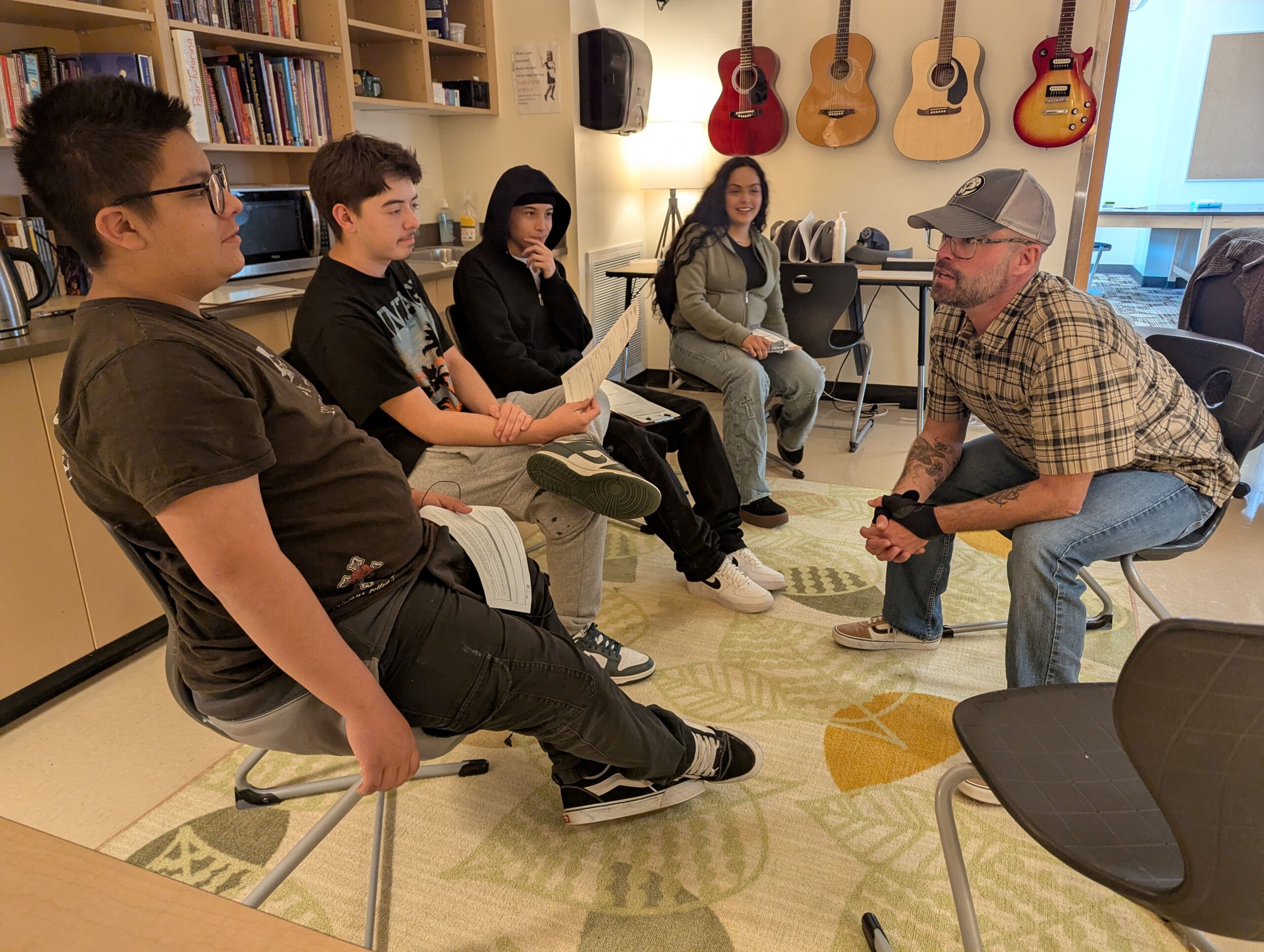
Freshman Derek L. credits his turnaround in English class to small-group meetings led by Powell, where certain students set personal goals and learn executive functioning strategies. These goal-setting groups are part of a broader multi-tiered system of supports (MTSS) used at MESA to identify students at varying levels of need and respond accordingly.

Getting Everyone on the Same Page

MESA’s staff tracks student progress using a custom dashboard built in Tableau, the district’s data visualization platform. The tool allows teachers and support teams to monitor grades, attendance, and course-specific struggles in real time. Students are grouped into different tiers, based on their grades and attendance, and a student success team meets weekly to tailor strategies and resources to the lower tiers.

“I think that’s been really beneficial,” Powell said. “We can identify and tailor things to individual kids much easier when we have a scheduled time and we take a really deep, data-driven approach together.” Support also comes from peers. MESA launched a peer tutoring program where juniors and seniors—many of whom overcame academic struggles themselves—mentor underclassmen.

For families, MESA hosted parent education events to ensure everyone understood what it means to be on track, how to navigate the high school system, and how to support students at home. And to help students connect school to real-world goals, Powell arranged college and technical school visits so students could see the full range of postsecondary options.

“A lot of ninth graders say they don’t want to go to college, which is fine,” Powell said. “But I tell them I look at college as anywhere you learn a skill and get a piece of paper saying you have a skill, so you’re employable. It could be a four-year university or a trade school, but all those options start with graduating high school.”

Yadira said the visits helped put things into perspective. “It was nice to see what we could be exposed to in later years and explore different things we could do in the future.”

One Student’s Story, Many Students’ Success

One of the most powerful examples of the program’s success in Powell’s eyes was a student who came to MESA with a long history of academic struggles. He had been held back in elementary school, failed nearly every class in middle school, and had poor attendance. Nearing the end of his ninth-grade year at the school, he knows he will move on to tenth grade this fall, thanks to all of MESA’s supports.

“That was a big moment for me when we realized that, like, this is working!” Powell said. “At any other school not doing this work, without this team supporting him, he probably wouldn’t be on track.”

MESA staff are already planning to refine their model for next year, including exploring more academic intervention time in core subjects, and are in conversation with Mapleton’s administration about replicating their model with other district schools.

Last evening, Governor Polis vetoed HB25-1026 Repeal Co-payment for Department of Corrections (DOC) Inmate Health Care, legislation we championed that stopped the DOC from charging medical fees to incarcerated individuals seeking healthcare, separate from what is billed to insurance and already provided by the state. He also issued an executive order concerning how people in Colorado state prisons are charged for health care services and ordering a review of these fees. Below is our response to the veto of HB25-1026 and the executive order.

“We are disappointed by Governor Polis’ veto of HB25-1026, legislation passed with bipartisan support, to end burdensome and unnecessary medical fees for people in Colorado prisons. While $5 may not sound like much, given the median wage in Colorado prisons, that’s the equivalent of charging someone earning the median wage, a co-pay of more than $900 to see a doctor.

While the Executive Order takes modest steps towards accountability, it does not eliminate the critical barriers these fees create. It does not guarantee the elimination of these harmful fees, and it doesn’t address the problematic lack of transparency that lawmakers uncovered around how these fees are applied, collected, or used. We will continue to work with lawmakers, advocates, and impacted families to hold DOC accountable and to push for lasting change that removes financial barriers to care.”

Welcome to Capitol Week In Review, our newsletter keeping you informed about policy concerning educational equity and criminal justice reform.  You will also hear from us about opportunities to engage in advocacy on topics important to you.

Get this newsletter in your inbox every week:


We’re excited to announce that two of our key criminal justice reform policies passed their own legislative hurdles:

HB 25-1081, Reporting Statistics on Restitution, was signed into law by the Governor this week! As you may recall, this bill requires enhanced data collection on restitution demographics, prioritizing transparency and accountability. It seeks to address systemic inequities by revealing who owes restitution, who receives payment, and any potential barriers in the process. 

HB 25-1214, Appropriate Use of Prison Beds, reforms sentencing and parole by requiring courts to review key information before sentencing and notifying them when individuals near parole eligibility are sentenced. It expands treatment options to certified recovery residences, removes payment requirements for mandated treatment after positive drug or alcohol tests, and presumes parole for low-risk inmates with mandated monthly status reports. This bill passed the House Judiciary Committee with a vote of 7-4!

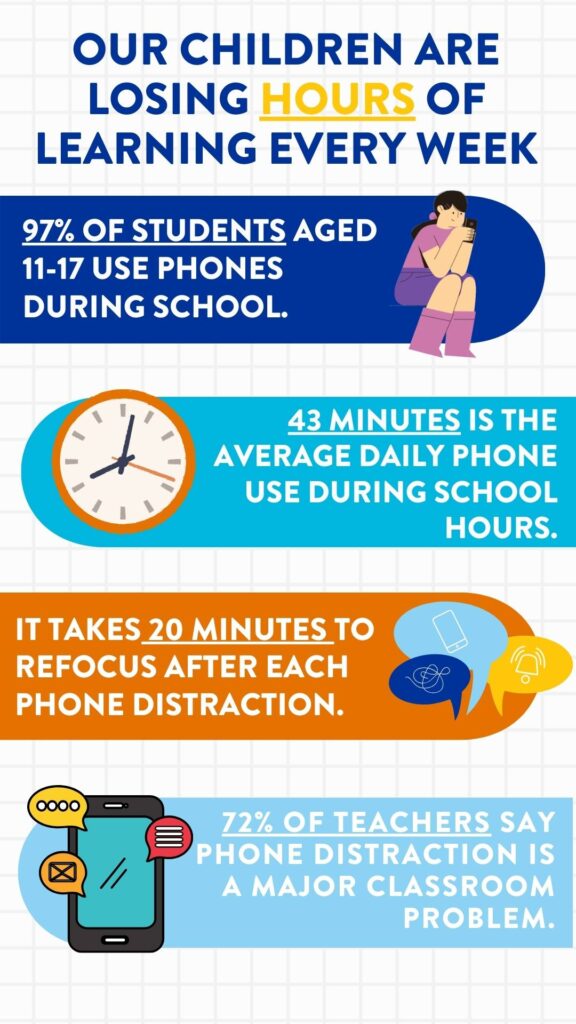
HB25-1135 Communication Devices in Schools, requires all public and charter schools in Colorado to establish policies on student use of communication devices during school hours by July 1, 2026. These policies must specify any restrictions and exceptions for device use throughout the school day. The bill passed the Senate Education Committee unanimously. 

SB25-200 Dyslexia Screening and READ Act Requirements, aims to enhance early elementary education in Colorado by making school readiness assessments optional and allowing, rather than requiring, individualized readiness plans for preschool and kindergarten students. It mandates that parental communications about READ plans include information on dyslexia characteristics when applicable. This bill is being heard in the Senate Education Committee on March 31st at 1:30pm. 

HB25-1147 Fairness & Transparency in Municipal Court, aligns municipal courts with state legal standards by ensuring sentencing parity, improving access to indigent defense, and enhancing transparency in court proceedings, is scheduled for a hearing in the Senate Judiciary Committee on March 31st at 1:30pm. 

HB25-1148 Criminal Protection Order & Protection Order Violation, revises Colorado’s criminal protection orders by clarifying required elements and limiting conditions to victim safety. It ensures courts inform defendants of penalties for violations and restricts substance-use prohibitions to relevant cases. Courts must review orders at case resolution, and officers get discretion in enforcing certain violations. This bill is scheduled to be heard in the Senate Judiciary Committee on March 31st at 1:30pm. 

SB25-155 Legislation Inside Advisory Council, establishes the Legislation Inside Advisory Council to advise the Colorado General Assembly on issues affecting incarcerated individuals. The council will contract with a nonprofit for support, define its membership, and outline duties, including reporting during the Department of Corrections’ annual “SMART Act” presentation. Additionally, an advisory review committee will recommend up to three bills each interim session. This bill is being heard in the Senate Judiciary Committee on March 31st at 1:30pm. 

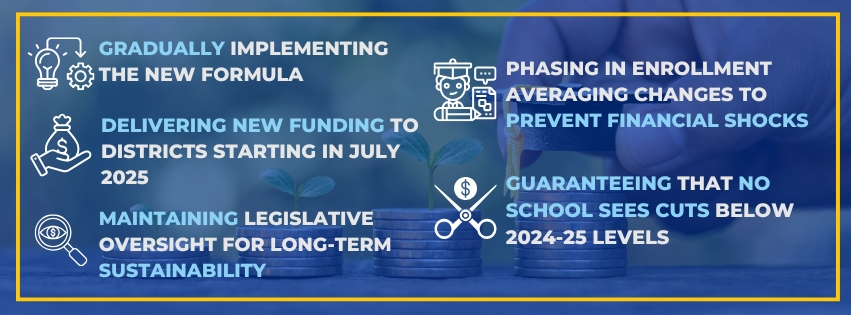
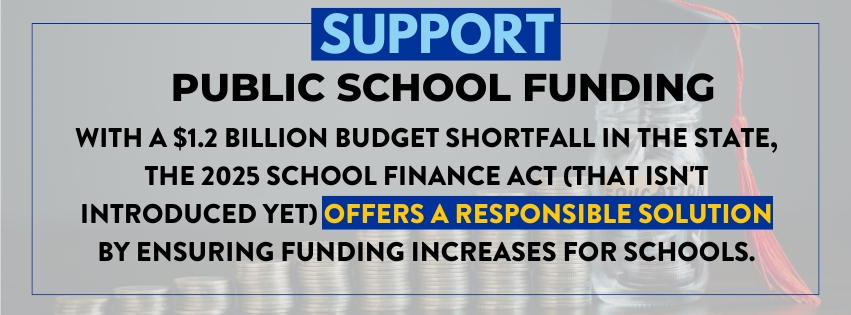
Last year, our state made historic progress by eliminating the Budget Stabilization Factor and updating the school funding formula for the first time in 30 years. These changes promised much-needed resources for students in poverty, English learners, and students with special needs. However, with a $1.2 billion budget shortfall, this progress seemed at risk. 

Fortunately, the newly released state budget proposal protects K-12 funding, ensuring no cuts to public schools despite fiscal challenges. The forthcoming 2025 School Finance Act builds on this commitment by increasing school funding while

At a time of financial uncertainty, this proposal strikes a fair balance between the state’s budget constraints and its promise to fully and equitably fund public education. Our schools cannot afford to go backward—and this budget ensures they won’t.


Your voice is crucial in safeguarding Colorado’s commitment to public education. Here’s how you can make a difference:

Encourage legislators to back the 2025 School Finance Act Proposal, which maintains progress while ensuring fiscal responsibility. 

Let’s stand together for stable, equitable school funding—no compromises, no setbacks.


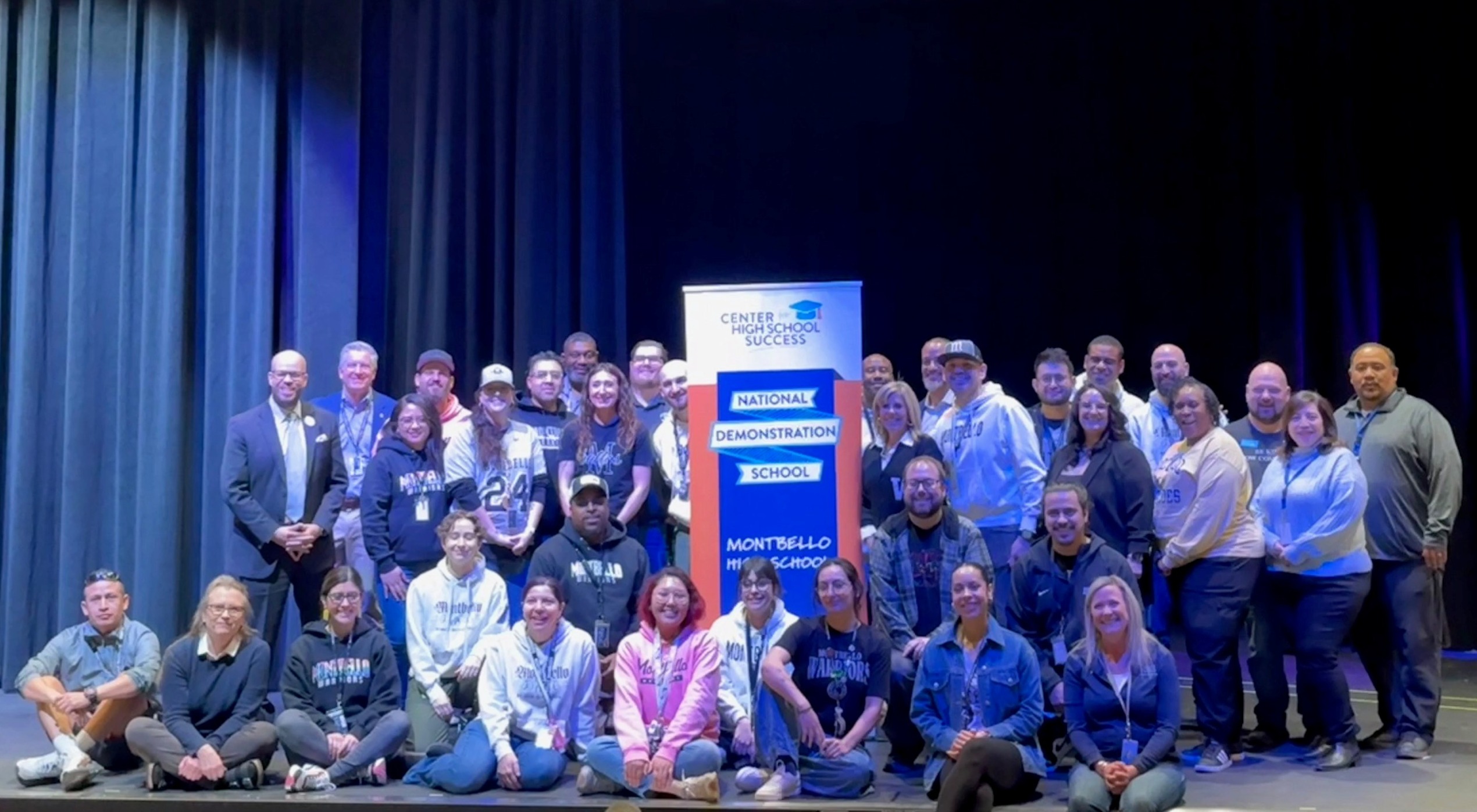
Montbello High School was named a national Center for High School Success Demonstration School today, shining a spotlight on the intentional work they have done to implement a 9th grade on-track approach and increase on-track rates from 65% to 82% since 2022.

Students who finish 9th grade “on track” are three times more likely to graduate on time than their off-track peers. Schools from around the country and state will visit Montbello on April 30th to see their work firsthand. This is the second Colorado school to receive this designation. The other school is Poudre High School in Fort Collins.

DPS School board members joined Superintendent Dr. Alex Marraro and Deputy Superintendent, Dr. Tony Smith in celebrating with the Montbello team today as the banner presentation.

Since partnering with CHSS in 2022, they have increased 9th Grade On-Track Rates from 65% to 82%. Montbello has implemented innovative strategies such as “Kid Talks,” which provide targeted support for students through collaboration with teachers and families in addition to targeted interventions, transition supports, school-based teaching teams, and certain instructional approaches. Despite challenges during its early years operating in a temporary space and merging multiple campuses, Montbello High School has fostered a strong school culture rooted in equity, student-centered support, and community engagement. Read more about their work and succcesses in this question and answer with Assistant Principal,  Jeronimo Alvarez.

Welcome to Capitol Week In Review, our newsletter keeping you informed about policy concerning educational equity and criminal justice reform.  You will also hear from us about opportunities to engage in advocacy on topics important to you.

Get this newsletter in your inbox every week:


We’re excited to share a celebratory update and a scheduling update on our key criminal justice reform policies.

HB 25-1116, Department of Corrections Search Court Records Before Offender Release, was passed by the House unanimously and is on its way to the Senate chamber!  This bill would ensure the Department of Corrections regularly checks for outstanding warrants on inmates and notifies them, courts, and public defenders. It encourages timely resolution, including virtual court appearances, to prevent legal issues from delaying reentry.

HB 25-1146, Juvenile Detention Bed Caps, proposes increasing Colorado’s juvenile detention bed cap for the 2025-26 fiscal year and, in subsequent years, setting the cap at 125% of the projected average daily juvenile detention population. The bill also mandates annual appropriations to fund these beds. We are in opposition and it been has delayed to be heard in the Health and Human Services Committee for March 18th.  

HB25-1274 Healthy School Meals for All Program, refers two ballot issues to the voters in November to allow the state retain a portion of TABOR refunds and to increase taxes by $95 million annually by increasing state taxable income to support the healthy school meals for all program. This bill passed out the House Education Committee on March 6th with a vote of 7-5.

HB25-1192, Financial Literacy Graduation Requirement, mandates that Colorado high school students successfully complete a financial literacy course. Additionally, the bill requires students to submit either the Free Application for Federal Student Aid (FAFSA) or the Colorado Application for State Financial Aid (CASFA). The bill includes an opt-out provision for families who choose not to complete these applications. This bill passed out the House Education Committee on March 6th with a vote of 8-5.

HB25-1167, Alternative Education Campuses, enhances support for Colorado’s Alternative Education Campuses (AECs) by prioritizing them for state grants, allowing high-risk students (21 and under) in enrollment counts, requiring reports on AEC trends, and protecting their designation from single-year enrollment drops. This bill passed the House Education Committee on March 5th with a vote of 12-1.

Legislators just took a major step toward empowering students with essential life skills! HB25-1192, the bill that would make financial literacy a high school graduation requirement, has officially passed the House Education Committee—a huge victory for students, families, and communities across the state.

This bill is more than just an education reform; it’s a game-changer for future generations. By ensuring students graduate with a strong understanding of budgeting, credit, loans, saving, and financial planning, HB25-1192 equips young people with the tools they need to navigate real-world financial challenges. For too long, financial literacy has been an afterthought in our education system, leaving many young adults unprepared for managing their finances. With student debt rising and financial insecurity affecting many families, this bill helps bridge the gap, ensuring every Colorado student enters adulthood prepared to make informed financial decisions.

The  support in the House Education Committee proves that financial literacy is a bipartisan priority. Now, as HB25-1192 moves forward, we must continue to push for its passage to ensure all students—regardless of background—have access to the knowledge they need for financial independence and success.


Colorado students deserve the skills to thrive after high school, but many graduate without essential financial literacy to navigate adulthood. House Bill 25-1192 seeks to change that by requiring all students to complete a financial literacy course and submit the FAFSA or CASFA form to access potential financial aid opportunities. The bill passed the House Education Committee recently. Email your representative and ask them to support this bill when it comes to the floor.


Welcome to Capitol Week In Review, our newsletter keeping you informed about policy concerning educational equity and criminal justice reform.  You will also hear from us about opportunities to engage in advocacy on topics important to you.

Get this newsletter in your inbox every week:


We’re excited to share a celebratory update on one of our key criminal justice reform policies.

HB 25-1081, Reporting Statistics on Restitution, was passed by the Senate and is on its way to the Governor’s desk!  This bill requires enhanced data collection on restitution demographics, prioritizing transparency and accountability. It seeks to address systemic inequities by revealing who owes restitution, who receives payment, and any potential barriers in the process. 

HB25-1274 Healthy School Meals for All Program, refers two ballot issues to the voters in November to allow the state retain a portion of TABOR refunds and to increase taxes by $95 million annually by increasing state taxable income to support the healthy school meals for all program. It is scheduled to be heard in the House Education Committee on March 6th at 1:30pm. 

SB25-047 Enforcement of Federal Immigration Law, aims to reinstate provisions from the repealed SB06-090, enhancing cooperation between local government and federal immigration authorities, bringing back the “show me your papers” policy. This bill was introduced in the Senate State, Veterans, & Military Committee on February 25th and failed to pass. 

HB25-1147 Fairness & Transparency in Municipal Court, aligns municipal courts with state legal standards by ensuring sentencing parity, improving access to indigent defense, and enhancing transparency in court proceedings, passed the House Judiciary Committee with a 6-5 vote. 

We are thrilled to announce the passage of House Bill 25-1081, a significant step toward enhancing transparency and accountability in Colorado’s judicial system. This legislation mandates that, beginning with the Judicial Department’s 2026 “SMART Act” hearing, the state court administrator will report detailed statistics on restitution payments received and owed over the previous five fiscal years.  This initiative aims to provide a clearer picture of restitution dynamics, revealing who owes restitution, who receives payment, and any potential barriers in the process.

The bill, championed by Representatives Matthew Martinez and Matt Soper, along with Senator Mike Weissman, reflects a bipartisan commitment to justice and transparency. Its successful passage underscores the collaborative efforts of our legislators to address critical issues within our legal framework. We are grateful to the sponsors and supporters of HB25-1081 for their dedication to improving our state’s judicial processes. This law represents a meaningful advancement in our ongoing efforts to uphold justice and support victims’ rights in Colorado.


Colorado students deserve the skills to thrive after high school, but many graduate without essential financial literacy to navigate adulthood. House Bill 25-1192 seeks to change that by requiring all students to complete a financial literacy course and submit the FAFSA or CASFA form to access potential financial aid opportunities.

The House Education Committee is considering this bill, and they need to hear from YOU. Urge legislators to support HB25-1192  and help empower our students with the knowledge they need to build a financially secure future.


Welcome to Capitol Week In Review, our newsletter keeping you informed about policy concerning educational equity and criminal justice reform.  You will also hear from us about opportunities to engage in advocacy on topics important to you.

Get this newsletter in your inbox everyweek:


We’re excited to share that we have added two criminal justice reform policies to our priorities. Make sure to read “Our Take” to learn more about one of these policies and our stance on it. 

HB 25-1214, Appropriate Use of Prison Beds,  reforms sentencing and parole by requiring courts to review key information before sentencing and notifying them when individuals near parole eligibility are sentenced. It expands treatment options to certified recovery residences, removes payment requirements for mandated treatment after positive drug or alcohol tests, and presumes parole for low-risk inmates with mandated monthly status reports. A public defender liaison will also address outstanding warrants for eligible inmates. This bill was introduced in the House. 

HB 25-1146, Juvenile Detention Bed Cap, proposes increasing Colorado’s juvenile detention bed cap from 215 to 254 for the 2025-26 fiscal year and, in subsequent years, setting the cap at 125% of the projected average daily juvenile detention population. The bill also mandates annual appropriations to fund these beds. We are in opposition and is scheduled to be heard in the Health and Human Services Committee on March 4th.

SB25-001, Colorado Voting Rights Act establishes the Colorado Voting Rights Act (CVRA) and updates election-related statutes in four key areas: (1) Election and voting provisions for Indian tribes. (2) Enhanced voting services for individuals with disabilities. (3) Improved language access in election processes. (4) Strengthened election-related data collection practices. It passed with a vote of 3-2 out of the Senate Committee on State, Veterans, and Military Affairs. 

HB25-1167, Alternative Education Campuses, enhances support for Colorado’s Alternative Education Campuses (AECs) by prioritizing them for state grants, allowing high-risk students (21 and under) in enrollment counts, requiring reports on AEC trends, and protecting their designation from single-year enrollment drops. This bill is scheduled to be heard in the House Education Committee on March 5th upon adjournment. 

HB25-1192, Financial Literacy Graduation Requirement, mandates that Colorado high school students successfully complete a financial literacy course in the 11th or 12th grade as a condition for graduation. Additionally, the bill requires students to submit either the Free Application for Federal Student Aid (FAFSA) or the Colorado Application for State Financial Aid (CASFA). The bill includes an opt-out provision for families who choose not to complete these applications. This bill is scheduled to be heard in the House Education Committee on February 27th at 1:30p. 

HB25-1135, Communication Devices in Schools, requires all public and charter schools in Colorado to establish policies on student use of communication devices during school hours by July 1, 2026. These policies must specify any restrictions and exceptions for device use throughout the school day. The bill passed the House Education Committee with a vote of 12-1 and passed second reading in the House.

Stand firmly opposes HB25-1146 as it reinforces the school-to-prison pipeline rather than investing in mental health care, rehabilitation, and community-based solutions that keep youth out of the justice system.

HB 25-1146 proposes increasing the juvenile detention bed cap, despite evidence that the real issue isn’t space- it’s a lack of services. Youth are being held past their release dates due to underfunded treatment facilities, lack of foster placements, and transportation gaps, not a shortage of detention beds.

Each bed costs $174,000 per year, diverting funds from education and community-based programs that prevent incarceration. Tying future bed cap increases to projections creates an unpredictable financial burden with no clear funding plan.

HB 25-1146 is not the solution—real support is. Colorado’s youth deserve better than more cells. It’s time to invest in their future, not in unnecessary detention.


The House Health and Human Services committee is hearing HB25-1146, on Tuesday March 4th. 

Tell the House Health and Human Services Committee to vote NO on HB 25-1146! Detention should be a last resort, not a default solution. Colorado must invest in rehabilitation, education, and community support, ensuring that our youth have the resources to grow, heal, and build a brighter future.


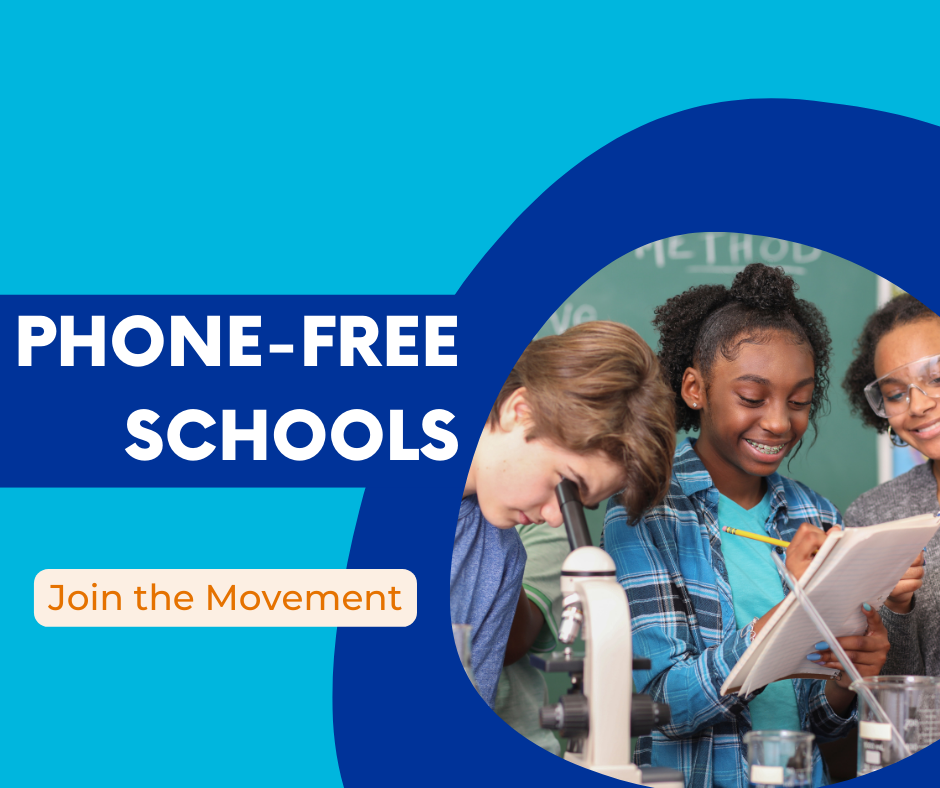
The House Education Committee voted to pass HB25-1135, Communication Devices in Schools, 12-1 this week. The bill requires all public and charter schools in Colorado to establish policies on student use of communication devices during school hours by July 1, 2026. These policies must specify any restrictions and exceptions for device use throughout the school day.

Educators shared their experiences during the hearing and outlined support for HB25-1135.

“As an educator, I have witnessed firsthand the detrimental effects of unrestricted cell phone use in the classroom. The unrestricted use of communication devices in schools significantly disrupts the learning environment and negatively impacts students’ academic performance, social interactions, and overall well-being. I recall a particular incident where social media drama from a weekend spilled over into the school week, leading to a physical altercation between students,” Gene Fashaw, Colorado Educator.

“As a dedicated educator with 25 years of experience, I strongly urge this committee to consider the critical importance of balanced technology policies in our schools. While we embrace technology’s role in education, we’re witnessing firsthand how unrestricted device use is disrupting our learning environments. Daily, we face challenges with social media-driven conflicts, cyberbullying, and digital distractions that significantly impact student wellbeing and academic success,” Alex Magana, Colorado Educator.

“Based on my experience as a School Social Worker at a school that has successfully implemented this policy, I can share that this change has positively impacted our students both academically and socially, creating a more focused and supportive learning environment. Since adopting the cell phone ban, we have seen improvements in academic performance. Students are more attentive and engaged without the distractions of notifications and social media. It has also enhanced classroom engagement and reduced instances of bullying, particularly cyberbullying. Students interact more face-to-face, fostering stronger relationships and a sense of community,” Pamela Kaspar, Colorado Educator and Stand Advocacy Fellow.

The legislation will now be considered by the House of Representatives.

Policymakers are considering legislation to help set our students up for financial success, and we need your help! 

HB25-1192, Financial Literacy Graduation Requirement, is bipartisan legislation that will require Colorado high school students to complete a personal finance course and either the Free Application for Federal Student Aid (FAFSA) or the Colorado Application for State Financial Aid (CASFA) to access federal and state financial assistance.

The House Education Committee is hearing this bill next week. Ask them to empower our students with the knowledge they need for a secure future 

Students from low-income backgrounds, Black, and Hispanic students are disproportionately affected by the lack of financial education, contributing to generational poverty and limiting opportunities for long-term success.

States with similar legislation have seen FAFSA completion rates rise significantly, leading to increased postsecondary enrollment and greater access to financial aid.

Ask the House Education Committee to support HB25-1192!  

Welcome to Capitol Week In Review, our newsletter keeping you informed about policy concerning educational equity and criminal justice reform.  You will also hear from us about opportunities to engage in advocacy on topics important to you.


As we close out the first month of this year’s session, here are a few updates on some of our criminal justice reform policy priorities– including a newly introduced bill!

HB 25-1081, Reporting Statistics on Restitution, passed the House Judiciary Committee with a vote of 7-4 and passed second reading in the House.  As you may recall, this bill requires enhanced data collection on restitution demographics, prioritizing transparency and accountability. It seeks to address systemic inequities by revealing who owes restitution, who receives payment, and any potential barriers in the process. HB 25-1116, DOC Search Court Records Before Offender Release, which would ensure the Department of Corrections regularly checks for outstanding warrants on inmates and notifies them, courts, and public defenders. It encourages timely resolution, including virtual court appearances, to prevent legal issues from delaying reentry, and was just introduced in the House. 

HB25-1135, Communication Devices in Schools, requires all public and charter schools in Colorado to establish policies on student use of communication devices during school hours by July 1, 2026. These policies must specify any restrictions and exceptions for device use throughout the school day. The bill was introduced in the House and is scheduled to be heard in the House Education Committee on February 12. 

HB25-1153, Statewide Government Language Access Assessment, requires a statewide language access assessment across Colorado’s principal departments to evaluate and improve services for non-English speakers. The assessment will review language access needs, existing resources, and expenditures. A final report with recommendations is due by December 31, 2026. It was introduced in the House. 

HB25-1049, Communications Rights for Persons in Custody, ensures individuals in custody can make and receive private, unrecorded legal telephone calls at no cost or use private, unrecorded audiovisual conferencing. Under current law, individuals in custody have the right to consult with an attorney. It passed the House Judiciary Committee unanimously out of House Judiciary Committee.

SB25-001, Colorado Voting Rights Act, was introduced in the Senate and establishes the Colorado Voting Rights Act (CVRA) and updates election-related statutes in four key areas: (1) Election and voting provisions for Indian tribes. (2) Enhanced voting services for individuals with disabilities. (3) Improved language access in election processes. (4) Strengthened election-related data collection practices.

We are thrilled that the House Judiciary Committee recently passed HB 25-1026, Repeal Co-payment for Department of Corrections (DOC) Inmate Health Care.  This legislation stops the Department of Corrections from charging medical fees to incarcerated individuals seeking healthcare, separate from what is billed to insurance and already provided by the state.  

Current law requires the DOC to assess a copayment for medical, dental, mental health, and optometric care services. Copays and fees charged for seeking medical care while incarcerated in Colorado, range from $3 to $5. While that amount does not sound excessive, we must consider the average wages paid to inmates incarcerated in Colorado of 69 cents to $1.81 per day. To contrast, this amounts to a $900 co-pay for the average Coloradan earning minimum wage.  

Studies show these fees deter people from seeking necessary care. A 2018 study in the Journal for Evidence-Based Practice in Correctional Health found that 70% of incarcerated individuals avoided medical care due to copays. Similarly, a 2024 American Medical Association study found that in states where copays exceeded a week’s pay, individuals with chronic health conditions were half as likely to seek medical treatment. Delayed care leads to worsening health outcomes, increasing long-term costs for the state. HB 25-1026 would eliminate these fees for three years, allowing time to assess the impact of this policy while ensuring access to essential healthcare for incarcerated individuals.


HB23-1133, passed in 2023, ensures free communication in Colorado’s prisons to keep families connected. The law phases in funding over three years, cutting call costs by 25% in year one, 35% in year two, and making all calls free by July 1, 2025. However, the Joint Budget Committee is now considering cutting funding to only cover 50% of costs this year, jeopardizing full implementation. We’ve been raising awareness about this because it’s incredibly impactful for families across Colorado. 

Delays in implementing this policy risk undermining efforts to reduce recidivism and support families. Let’s work together to protect this critical progress!

Contact members of the Joint Budget Committee and ask them to prioritize the funding needed to bring free prison phone calls to families this year, as outlined in HB23-1133.  If you want to learn more about other advocacy opportunities in the Criminal Justice Reform space, register to attend our community information session happening February 13th from 5:30-7:00p, here !