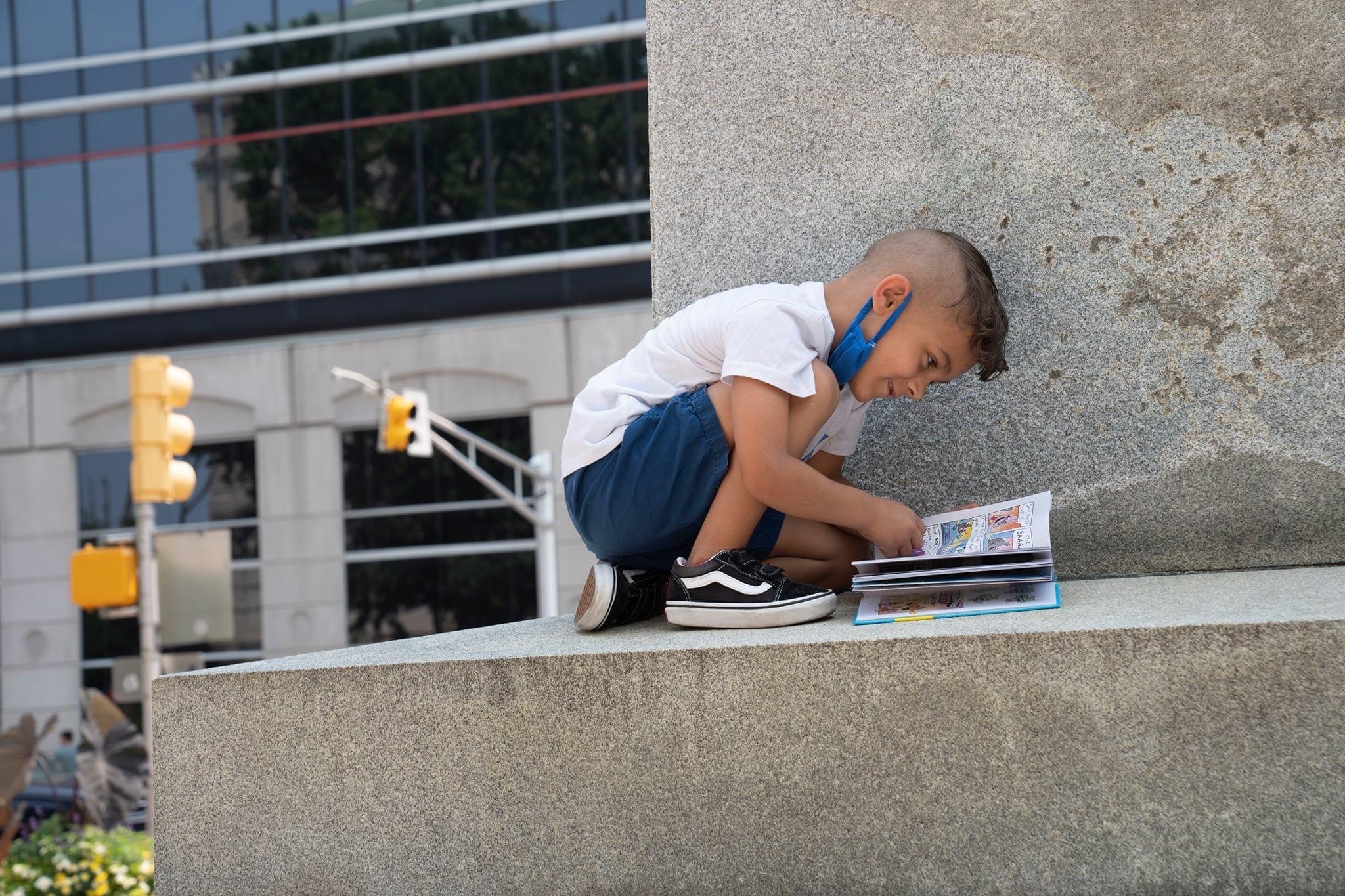
Thinking back on how I was taught to read, I don’t know that all of it was beneficial. While it has been a long time and I don’t remember everything by any stretch, I recall being taught to “skip ahead” when I struggled with a word.  

After I “skipped ahead,” I could go back and decide what that word was later based on context clues. Or I could just skip the word and do my best to understand the paragraph based on the words I did know. In those cases, I wasn’t being asked to stop and sound out the word and therefore, I wasn’t being corrected when I wasn’t sounding it out properly. I also wasn’t learning what the word meant.  

Because I was shy in school at this time, I used “skipping ahead” as a way of not having to sound silly if I wasn’t confident in my ability to read a word aloud in front of my class.  

Today, I love reading. The thought that someone can combine words and create enchanted lands and stories that lift us right out of current situations and into new worlds is magical to me. The ways books can be used to help us understand those around us and share or better understand lived experiences is breathtaking. But I did have to train my brain to not just skip over unknown words and that was difficult for me for a long time.  

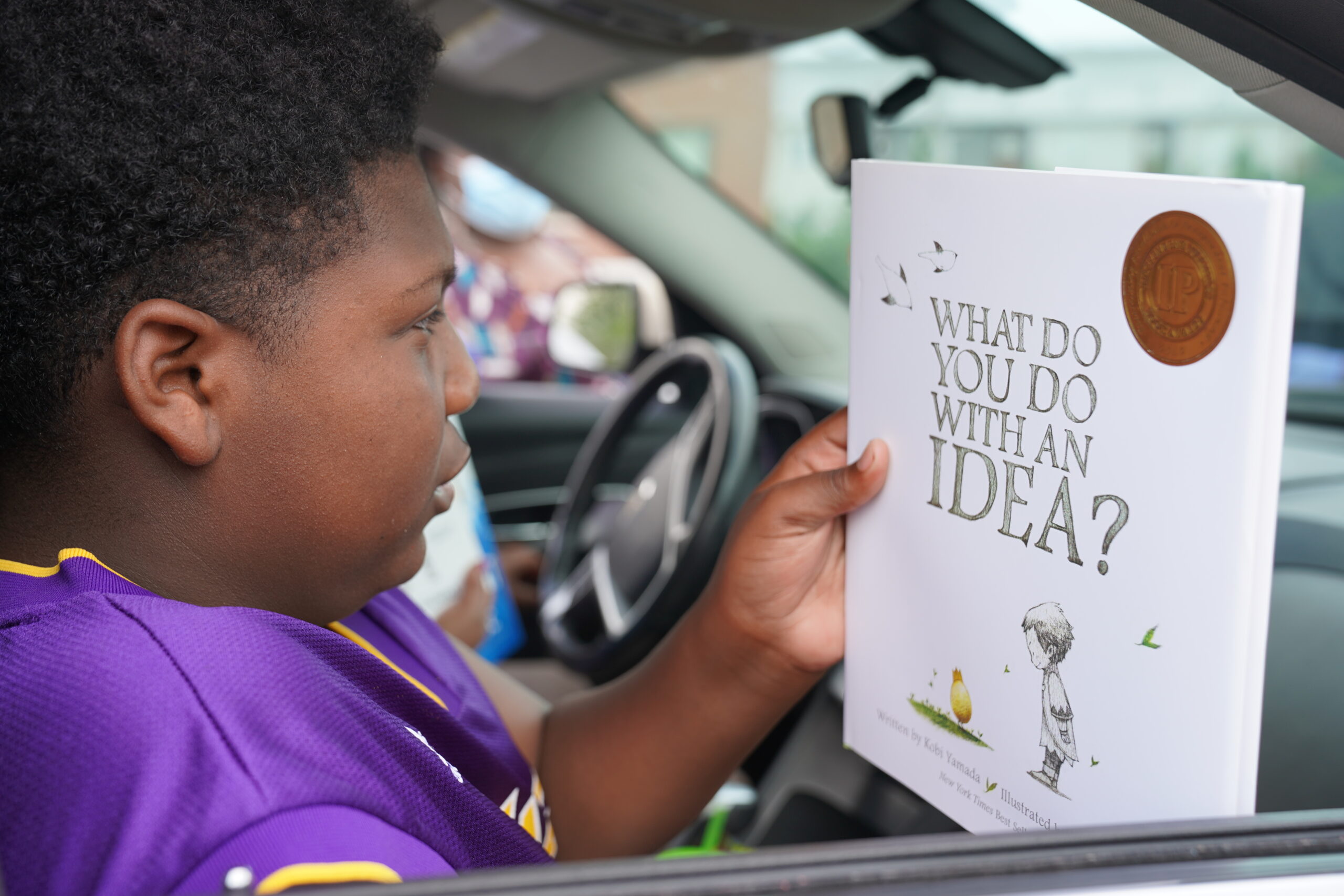
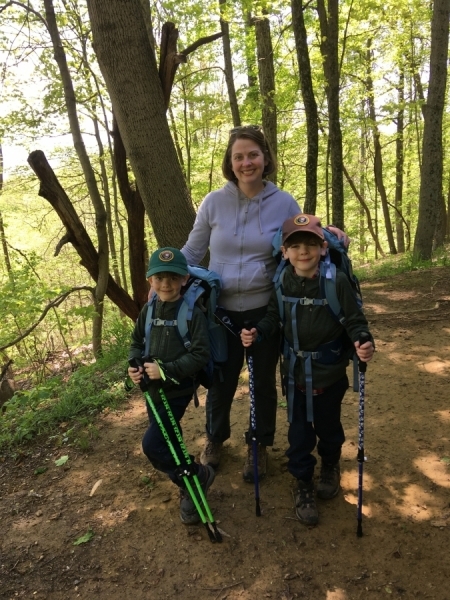
As a mom, I love reading with my son. I love trading pages. He gets the left page and I take the right. I LOVE how he laughs when I make voices for the characters and how he now does the same.  

But to be completely honest, I never really thought about there being ONE right way to teach my son to read. I just purchased books of all kinds and started reading with my child every single night. I printed out sight word flash cards. I searched for the best ways to teach my son, but I didn’t know exactly what to search for. I didn’t have a method at all when teaching my child to read. I just knew that I wanted my son to be a good reader and to one day share my love of reading.  

If you’re wondering, I didn’t teach my child to skip ahead. And now that I am learning about the Science of Reading, I am glad I didn’t. But there are a lot of other lessons I am learning.  

Not only have I found that skipping ahead is a bad practice, but I’ve learned there are a lot of other ill-advised practices that are common (and found in many of our classrooms) too.  

I’m not an expert on the Science of Reading, but I hope you’ll benefit from what I have learned so far: 

  • Don’t skip over words, have your child or student sound them out.  
    • The same thing goes for misread words. They should be corrected and sounded out (which I know can be hard –my son hated being corrected). 
    • Phonics has to be foundational! Successful readers are taught with an explicit and systematic focus on phonics and phonemic awareness.  
  • Reading instruction isn’t catered to a kid’s learning style.  
    • Structured reading instruction is vital. 
  • Using pictures to guess words doesn’t help children learn to read. 
    • This practice is known as “cueing” and SoR tells us it doesn’t work.  
  • Building vocabulary as exact words are identified and sounded out is important!  
  • Read decodable texts that reinforce phonics patterns instead of leveled readers.  
    • Decodable texts are meant for beginning readers. They help kids connect sounds in letters and solve words.  
      • I did not choose Bob Books for my son because I knew they were decodable books. A teacher recommended them to me while at a Stand Indiana workshop focused on IREAD. Before I knew what the Science of Reading was or why decodable texts mattered, I just thought these books were magic. My child who was not reading one day was enthusiastic about reading the next!  

One of my biggest school-related fears for my son was that he would struggle to read, and I feel blessed that he’s doing well. But if your child is struggling to read, I hope you will remember all kids are capable of reading and of excellence. I hope what I have learned about the Science of Reading so far helps someone out there. And if you have feedback or your own learnings from the Science of Reading, comment below!  

You may or may not have heard of the expression, “the Science of Reading.” Like so many buzz phrases in education, you may be initially skeptical about whether the Science of Reading might be the latest “flavor of the month” in a long list of alleged cures for our struggling public education system. So what is it? 

It’s important to note that it’s not a cookie cutter policy.  

The Science of Reading is simply a broad body of research conducted over decades by hundreds of scientists through thousands of studies all over the world. Through this work, there is clear evidence of how we learn to read proficiently by seeing how our brains respond to certain methods of receiving content. Just as science has led to effective medicines for fighting disease and creating machines that send us to the moon and drive us to the grocery store, science has given us a clear roadmap for what is proven to work in how we teach reading and literacy. 

Unlike learning to talk, our brains just aren’t wired to learn to read and write. Learning to read is complex. It’s more than surrounding our children with books. It’s more than memorizing words. It’s more than context clues.  

We know that an explicit and systematic focus on phonics and phonemic awareness matters and that many commonly used ways our children are being taught to read are ineffective (things like guessing words based on pictures or memorizing the text). 

The Science of Reading says schools should be systematically teaching reading by focusing on these five tenets: 

  1. Phonemic Awareness: The ability to identify individual sounds in spoken words. 
  1. Phonics: Knowing how sounds look in written words. 
  1. Fluency: The ability to read, speak and write words that make sense without having to stop to decode 
  1. Vocabulary: Knowing the meaning of words being read. 
  1. Comprehension: The ability to accurately understand text. 

If you’d like to continue learning about SoR, check out these resources from the Indiana Department of Education (IDOE).

Reading is important. I believe it might be the most important thing our children learn in school because children who struggle to read are at risk of falling behind in many subjects. 

The decades of brain research that make up the Science of Reading have given us a clear understanding of how we learn to read. While best practices for teaching reading have grown from this, many of our children are not benefiting. The data makes that clear.  

In Indiana, only 37% of our students are reading at grade level (down from 41% in 2017). And within that data, there is a problematic racial gap –signifying clear, further inequities:  

  • 43% of white students are on reading on grade level 
  • 17% of Black students are proficient 
  • 24% of Latino students are proficient 

Our state law doesn’t define evidence-based reading or require schools to adopt an aligned curriculum. That’s a problem.  

It’s a problem because students who are not proficient in reading by the end of third grade are four times more likely to drop out of high school compared to proficient readers. It’s a problem because, despite decades of research that demonstrates how children can become successful readers, many schools aren’t following this evidence. It’s a problem because the literacy crisis in our state is widening opportunity gaps.  

Our teachers and our schools deserve the support and resources to ensure every student can read and our students deserve to be educated with practices that are backed by science.  

LEARN MORE ABOUT THE SCIENCE OF READING HERE 

As a teacher, I have seen English Language Learner (ELL) students all over our city be an afterthought and not a priority. Our ELL students come to us so hard-working, on grade level much of the time, and with the ability to outperform their monolingual peers. Yet, we fail to recognize their greatness and serve them adequately. I’ve seen this with many student groups, which is why I joined a group of parents who are focused on ensuring equitable candidates get elected to the IPS board this November.  I want our community to elect leaders who will be equitable for all students and who will help us move all our students forward.

After the legislative session and the dangerous bills that were luckily not passed, I fear that someone who may not be committed to equity or committed to the truth could be seated on the IPS board. Someone might run and be elected that doesn’t have the best interest of kids.

I don’t want someone who doesn’t have a heart for the work, for equity, or for language justice to be elected. We need strong leaders that care about kids and understand the importance of prioritizing teachers. This is important because someone could be elected which slows the progress we have started and so desperately need to continue.

What’s the process of the parent and educator group?

A group of us came together to talk about what we wanted to see in IPS board candidates and the importance of these local roles. From our combined opinions, we developed a questionnaire to get to know the candidates better. We did this because we want to make informed decisions about who we believe would make the best candidates for the position.

We then came up with ideas to disseminate that information to our sphere of influence and let others know as well. We want to let everyone know what the candidates stand for and who they are as people and why they would or would not be good candidates.

At the moment, we have sent surveys to the candidates and are planning to follow up with them once we receive all of them back.

In the future, we plan to meet with them to ask in-person questions.

After the group has made a decision, we will share that as widely as we can. We hope that from this, more people vote for the most equitable candidates for the IPS board.

What do you like about the group?

I like that this process has been a group of diverse volunteers who care about IPS.

The group contains many parents, all with diverse backgrounds, opinions, and perspectives. We have come together to determine what we think is the best way to move our kids forward and our schools forward. It is so needed right now.

What kind of candidates are you seeking?

This is a very important election. From it, our group would like to see IPS board members elected who are wholeheartedly invested in the work of moving education forward for our kids.  

We want to choose candidates that reflect our values. Our values all center around equity. We want to close the opportunity gap. We want to see language justice practiced and normalized. We want candidates focused on what is best for kids, families, and teachers. We want board members who will make the changes we need to have a just and equitable IPS, an IPS where every kid gets a great education.

Why would you encourage other people to get out and vote?

At one time, I didn’t think voting for local school boards was that important. Now, I see the biggest changes are made in the perceived smallest places. Local elections are more important than ever. This is where some of the changes that will be the most impactful for us as a community and as individuals will occur.

We won’t see changes we want, or we may see changes we don’t want—that don’t represent our voices—if we don’t vote.

It is so vital people get out and vote for local elections and vote for the school board.

Indiana is neck-deep in a literacy crisis. Just slightly more than one in three Hoosier children (37%) are reading on grade level (down from 41% in 2017) according to NAEP, which is known as the nation’s report card. Student demographic data shows significant disparities along racial and ethnic lines, but the literacy crisis impacts children of all backgrounds. And while COVID has certainly contributed to this problem, many of these significant challenges pre-date the pandemic. 

  • 43% of white students are on reading on grade level. 
  • This number is 17% of for Black students and 24% of Latino students. 
  • The data shows Indiana has made NO progress in closing achievement gaps related to reading in 20 years. 

Beyond this disturbing data is the impact illiteracy has on everyday people and our communities. When young people are not getting the tools needed to become skilled readers, their opportunities to learn and prepare for life success are severely limited. And these limitations have a ripple effect on the health and well-being of our economy and cities and towns across Indiana. It’s a well-known fact that companies consider literacy rates when evaluating where to expand and create new jobs. By one estimate, increasing literacy rates in our nation could add trillions of dollars in annual income growth. If we consider this fact for Indiana alone, we would likely be looking at billions of dollars in earnings for Hoosiers by successfully attacking high illiteracy rates.  

The Commission for Higher Education recently released its annual report highlighting postsecondary attainment in Indiana, and the data was cause for concern. Only 53% of high schoolers are heading to college, which marks a steep decline (12% decrease over the last five years). The state’s goal of having 60% of adults achieve some form of higher education attainment by 2025 is severely off the mark – sitting currently at just 48%. While there are several factors contributing to Indiana’s higher education decline, there is no question that our underlying literacy crisis is feeding this trend.   

Fortunately, there is hope and it comes in the form of science. The Science of Reading (SoR) has given us a clear understanding of how we learn to read and how we should teach children to read.  Thankfully, the Indiana Department of Education just announced a major investment in the science of reading that should mean thousands of elementary educators will get the training and support needed to teach literacy more effectively. Be sure to read the details of this exciting plan here.

Be sure to follow Stand on social media for more details on the science of reading and what specific action steps we can take as a state to turn all Hoosier children into skilled readers.  

We’re excited to have launched a new version of our website in August 2022 and are in the process of adding content from before 2022 to our records. Until then, if you have a question about Stand for Children Indiana or the work we do, please don’t hesitate to reach out to Kayla Mattas at [email protected]

To learn more about some of the achievements we’ve made for Indiana students, we encourage you to read these news stories about our work: 

Parents pressure IPS to address academic gaps of Black, Brown students – May 2022 

Stand for Children Indiana unites parents, fights for education equity – December 2021 

How IPS is reaching bilingual families — and what parents want to see next – December 2021 

IPS may share $5 million in referendum funds with innovation schools – November 2021 

Study committee hears testimony on ‘heavy burden’ of juvenile costs, fees – October 2021 

Indianapolis Public Schools sets goals to close achievement gaps for minority students – July 2021 

Parents deliver petition to IPS, outline steps to create a more equitable district – July 2021 

‘Landmark’ juvenile justice bill awaiting governor’s signature – April 2021 

Parents want more action from Indianapolis Public Schools on racial equity goals – March 2021 

Dontia Dyson

Last legislative session, I was one of many advocates fighting to stop House Bill 1134. I am proud of the effort I put in alongside so many other advocates. Our hard work paid off, but with the 2023 legislative session being just around the corner, I want this next session to be different.   

I want our lawmakers to focus on equity and closing the academic opportunity gap for historically underserved students like mine. I want to continue standing alongside all the advocates who care about Indiana kids and the education they receive. I want us to make positive change together because if last session taught me anything about advocacy, it’s that there’s strength in numbers and together we can make a difference.  

So today, I’m happy to announce the Stand for Children Indiana 2023 education agenda will be centered on feedback from advocates like me.  

Here are some highlights from the survey that was used to craft the below education agenda: 

  • 77% of the people who took the Stand Indiana survey this year said they want our lawmakers to focus on equitable funding for public schools.  
  • Nearly 60% of survey takers want to ensure school curriculum and teaching practices align with scientific research. 
  • 60% of survey takers said they wanted lawmakers to focus on legislation aimed at closing achievement gaps between privileged/underserved students. 
  • 44% believed it should be a top priority to increase the number of young people applying for 21st Century Scholarship. 
    • Only 7% thought the state should take no action regarding the scholarship. 

I hope you’ll continue advocating this year and take a stand for the things listed on the 2023 education agenda:  

  • Ensuring our public schools are equitably funded and that the school funding formula considers low-income and traditionally underserved students as well as our SPED and ELL populations.  
  • Advocating for our public schools to be equipped with the curriculum and best practices in teaching reading that aligns with scientific research as our state faces a literacy crisis.  
  • Supporting legislation aimed at increasing the number of young people applying for 21st Century Scholarships.   

Thank you for your continued input and support. Look for more details on all of these issues in the coming weeks, and be sure to follow Stand Indiana on social media for ways you can get your friends involved. 

Megan-Poisel

I know that the IPS board’s job is difficult and complex, especially now, but I also know that I’m watching my kids and their classmates grow up together in a system that doesn’t support them all equitably. I hear these statistics about the opportunity gap and it hits me hard.

According to state data, only 3.1% of Black IPS students in grades 3-8 are testing on grade level in English and math, and that number is only 5.4% for Latino students.

To me, these are not only statistics. I know these kids and I want the best for them. They each deserve to live within a system that not only sees the best in them but plans for it and supports it.

We have schools in our city that are already successfully closing the opportunity gap for their students. In fact, there is a public school in Indianapolis where children of color are eight times more likely to achieve at grade level than their peers in our district.

I appreciate that IPS leaders have included replication in the “Rebuilding Stronger” plan, but I don’t think schools should be replicated just because they are popular. Replication should be based on data that shows which schools, regardless of type, close the opportunity gap and not on the demand for a school. Popular programs don’t all necessarily close the opportunity gap.

I have asked the IPS board to consider conducting research in the next month to identify and showcase public schools—charters, innovation schools and traditional schools—that are already closing the opportunity gap in our city.

We need to take swift and clear action to let our students know that we see the best in them. Replicating what’s already working seems to me like a logical place to start and one that could make huge impacts for low-income students and children of color who are being left behind in our current system. As a parent seeing these statistics repeatedly, I can’t stomach the idea of one more school year beginning without a plan in place.

Please join me, ask IPS leaders to replicate school models of all types that are data-proven to close the opportunity gap. Be clear that the measure for replicating a school should not be based on demand alone.

While I can’t speak for every parent who helped draft the “Parent Vision for a More Just and Equitable IPS” with me, I can tell you that I continue to show up at IPS board meetings because I would like to be hopeful. I want to believe there is a future IPS that is filled with high-quality schools that are proving our kids are capable of being challenged, of not only meeting the standards—but exceeding them. An IPS where all our schools close the opportunity gaps.

I know IPS is planning some big changes and I appreciate those changes includes replication. I want to make sure that by replication, the district plans to grow schools and programs that close the opportunity gap. I don’t believe the choice of which schools to replicate should be based on popularity.

The data parents like me have been requesting is about making sure schools that are replicated are data-proven and working for all kids –including Black and Brown children and low-income children.

The IPS plan does not yet address this. Join me in asking IPS leaders to update their Rebuilding Stronger plan. The measure to replicate schools should not be based on the demand for a school. It should be based on schools of all types that are data-proven to close the opportunity gap.

If the time comes when one of my kids struggles, I want them to be given what they need—the supports to help them. If kids are doing well academically, they grow up to have more options –they grow up to be successful.

I’m passionate about this because our children’s education today is about their futures tomorrow –all our futures tomorrow. Please join me. Ask IPS leaders to grow schools that work, schools of all types that align with their goals to close the opportunity gap, even if they don’t already exist in the district.

One of my children attends IPS and I want to be able to send my son there when he is of age, but I also want to know I can send him to a school that closes the opportunity gap. To me, that is the best way to show we care about these kids and their futures.

I got involved with advocacy because my children weren’t getting the type of education I wanted them to have – the type of education that will set them up for success. Even if you don’t have children in IPS, creating more equitable schools in this district is important for the entire community now and for future generations. Do you also want to see better, more equitable schools?

Watch my video:

When I see communities with great disparities, I know it’s not by accident. We have to be honest that disparities exist in our community and our schools because of racist oppression.

I can no longer accept discipline disparities in this district because there should not be gaps in opportunities between races. And I’ve seen these differences firsthand, with my children experiencing low-quality educational instruction after good teachers left and were never replaced in their schools. I can no longer accept that some children are being failed by our schools when there are models that are proven to be working for children of color, so I am doing something about it — and I hope you do too.