




As students return to classrooms across Colorado, educators are focused on helping them start the year strong. For ninth graders, that matters more than ever.
We know ninth grade is a pivotal year. Students who successfully complete ninth grade on track are significantly more likely to graduate from high school, while students who struggle during their first year often face challenges that become harder to overcome over time. Because of this, many schools closely monitor attendance, grades, and course completion. These are important indicators, but the skills students need to navigate high school successfully are perhaps equally important.
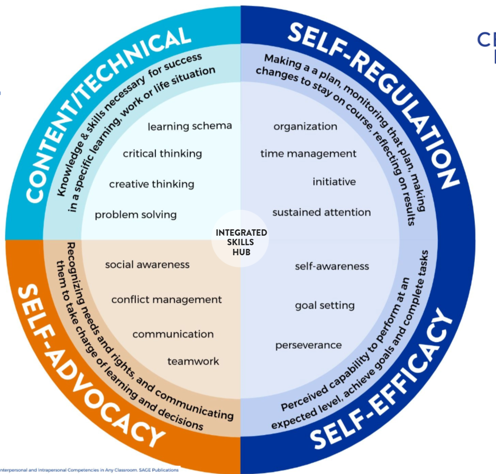
Self-Regulation
Successful ninth graders are learning how to manage increasing levels of independence and responsibility. Self-regulation includes skills such as organization, time management, initiative, and sustained attention, all of which help students stay focused and follow through on their goals.
As students transition to high school, these skills help them balance multiple demands, monitor their progress, and adjust when challenges arise. Developing self-regulation helps students stay on track academically while building habits that support long-term success.
Self-Efficacy
Self-efficacy is a student’s belief in their ability to achieve goals and succeed when faced with challenges. Skills such as self-awareness, goal setting, and perseverance help students build confidence and develop a sense of ownership over their learning.
When students believe their effort matters, they are more likely to persist through setbacks, seek new opportunities, and remain engaged even when coursework becomes more challenging. These skills are especially important during ninth grade, when students are building confidence in a new environment.
The Skills wheel
Ninth-grade success is about more than earning credits and passing classes. Students are more likely to stay on track when they can:
- Manage their time and stay organized
- Set goals and persevere through challenges
- Communicate their needs and seek support
- Think critically and solve problems
The CHSS Skills Wheel helps educators intentionally develop these foundational skills so students can thrive in high school and beyond.
Self-Advocacy
Students that know when they need support and how to access it are more successful in school. Self-advocacy includes skills such as social awareness, communication, teamwork, and conflict management that help students navigate relationships and communicate their needs effectively.
As students develop these skills, they become more prepared to ask questions, seek help, work collaboratively with others, and take an active role in their learning. Strong self-advocacy skills help students build connections with peers and trusted adults who can support their success.
Content and Technical Skills
Students also need the academic skills necessary to learn, solve problems, and apply knowledge in meaningful ways. Content and technical skills include learning strategies, critical thinking, creative thinking, and problem solving.
These skills help students navigate complex coursework, analyze information, and develop solutions to new challenges. Together, they provide the foundation students need to succeed in high school classrooms and prepare for future education and career opportunities.
Attendance, grades, and course completion continue to be important measures of student success, but those outcomes are shaped by skills.
The CHSS Skills Wheel provides a framework for helping educators intentionally develop these foundational skills. By building self-regulation, self-efficacy, self-advocacy, and content and technical skills, schools can create stronger foundations for students to thrive in ninth grade and beyond.


