
Your Standoscope: Cancer Season

It’s Cancer season and we’re… emotional?

As the Sun enters Cancer, a season that embodies compassion, nurturing, and emotional sensitivity, this is an opportunity for each zodiac sign to tap into their unique qualities to become more involved in their community, particularly in areas concerning education equity and student success.  

Cancer season encourages us to tap into our empathetic nature and embrace our sense of community. By using this time to connect with others and raise awareness around public education, you can contribute to creating a more inclusive and supportive educational environment for all students.  

How can you leverage the energy of Cancer Season to make an impact in your community? Check out your Standoscope below to find out! 

Want to get monthly Standoscopes to your inbox with opportunities to learn more about educational issues, and ways to get involved? Sign up here to stay informed!


Aries ♈︎
(March 21 – April 19)

Known for their enthusiasm and leadership, Aries might be feeling a little less fiery this month. Lean into this cozy energy and snuggle up with some heartfelt summer reading, like our post on the long history of Afro-Asian American Solidarity.  


Taurus ♉︎ 
(April 20 – May 20)

Usually slow and deliberate Taureans are being hit with a burst of energy this Cancer season and might feel the desire to be more involved and use their voices! With their practicality and determination, Taureans can make a difference by offering resources or donating books to schools and local libraries or advocating for literacy programs.  


Gemini ♊︎
(May 21 – June 20)

Geminis are known to be excellent communicators and adapt well to new environments, and this month will be no different. Continue to develop these strengths in our Disrupting Disinformation training! By spreading awareness through informative discussions, Geminis can inspire positive change. 


Cancer ♋︎
(June 21 – July 22)

Happy Birthday Cancers! As natural nurturers and empathetic individuals, Cancers can actively contribute to their community by initiating mentorship programs, like Rose from Concrete. By providing emotional support to students and advocating for their needs, Cancers can help create a safe and inclusive environment in schools. 


Leo ♌︎
(July 23 – August 22)

Leos, with their natural charisma and passion, can at times move full steam ahead without stopping. Take this month to unwind and reflect on your experiences with the education system, what’s happening in your community, and what you can do about it.  


Virgo ♍︎
(August 23 – September 22)

Virgos’ attention to detail and analytical nature makes them everyone’s first call when they need backup, and this month will be no different. Give yourself the tools you need to support your community at our Disrupting Disinformation Training.  


Libra ♎︎
(September 23 – October 22)

Libras, known for their diplomacy and desire for fairness, will be having those skills recognized this month! Lean into your natural charisma and learn how to have important conversations with your community around educational equity. By bringing different communities together, you can help promote collaboration and create sustainable initiatives that support students for the long haul. 


Scorpio ♏︎
(October 23 – November 21)

Scorpio, this month is all about broadening your horizons and working with others. Scorpios’ passion and determination make you ideal advocates for students’ rights and safety. Help organize rallies, sign petitions, and join social media campaigns to raise awareness and push for policy changes that prioritize the well-being of students in public schools. 


Sagittarius ♐︎
(November 22 – December 21)

Watery Cancer is really activating your emotional side, Sagittarius. Lean into that slow and reflective energy with some heartfelt summer reading, like our post on the long history of Afro-Asian American Solidarity


Capricorn ♑︎
(December 22 – January 19)

Capricorns’ practicality and long-term vision make them great candidates for addressing issues in public education and promoting student success. This month is opening up space for you to communicate your thoughts and feelings with those around you. Lean into this social energy with other education advocates on our monthly Learn From History Partner Call!


Aquarius  ♒︎
(January 20 – February 18)

Aquarians’ innovative thinking and desire for social progress can inspire them to create solutions that help bridge the educational divide. Cancer season will remind you that even the little changes can make a big difference. Find actionable steps to get involved and support students this month!  


Pisces ♓︎
(February 19 – March 20)

Pisces, known for their compassion and empathy, can use Cancer Season to nurture relationships within their communities. Think community gatherings, creative workshops, and mentorship. Offering guidance, support, and encouragement to empower students in their educational journey can have an incredible impact. 


Connect With Us On Social!

Asian american history and afro-asian solidarity

The long history of Afro-Asian American solidarity and the importance of teaching Asian American History

Recently, Florida has joined the rising number of states mandating Asian American history be taught in public schools. While schools finally beginning to discuss the contributions of Asian Americans is something to be celebrated, the news came on the heels of the state banning the newly created AP African American History curriculum. To many observers, this new Asian American history requirement appeared to be another case in the long history of the media and politicians pitting Asian American communities against African Americans. From the origins of the model minority myth that was propagated to deflect from claims of anti-Black racism during the 1960s Civil Rights movement, to high profile court cases surrounding affirmative action in schools, we have time and again seen Asian Americans used to create a wedge between communities of color, before being disappeared from political discourse and school curriculums.

Lost in these moments of manufactured tension is the long history of solidarity between the two communities. From Frederick Douglass fighting against the Chinese Exclusion Act to Grace Lee Boggs’ organizing alongside Black Autoworkers in Detroit, our histories and fights for freedom have always been intertwined. To teach Asian American history while erasing Black American history is to distort the decades of Asian-Black struggle and community building.

The following is a conversation between myself (African American), Avery Crocker (African American), and Elizabeth Li (Biracial Chinese American), on what we did (not) learn about Asian American history in school, how we have formed community across ethnic and racial lines, and what solidarity can look like.

“Solidarity is community, and when it comes to the histories of Asian Americans and Black Americans, if we’re curious enough, and willing to listen-we’ll find that those histories are way more seeped in solidarity and similarity than they are in division and difference.”


Jamayka Young:

Was Asian American history something you both learned about in school? Personally, I learned almost nothing of the history of Asian Americans or Pacific Islanders including the US colonies in the Pacific. I do remember one moment in my world history we were supposed to learn about the Ottoman empire, but ended up skipping over it so we could focus more time on the European Enlightenment. That was pretty much the only conversation we were going to have on Asia for the whole year, and even still it was cut.  

Practically everything I learned about Asian American history or Asian continental history was learned from the internet especially social media or from being in community with friends, neighbors, and peers. I also learn quite a bit as a part of my African American Studies degree where Asian American history often intersected with important moments in African American history.   

Avery Crocker:

Like you, Jamayka, I have little to no memory of learning about Asian American history. A lot of my education was European focused or on the flip side, about the oppression of Black Americans. Other marginalized communities weren’t mentioned nearly as much if at all.

Two of my closest friends in middle and high school were Asian American and I learned so much about their culture without even realizing it until years later. From attending ceremonies to experiencing authentic dishes, I was immersed in a way that was so valuable to me. In these moments, it didn’t occur to me that I wasn’t learning about these things in school, but I think about how great that would have been to have had that more formal experience along with what I was experiencing outside of school.

Elizabeth Li:

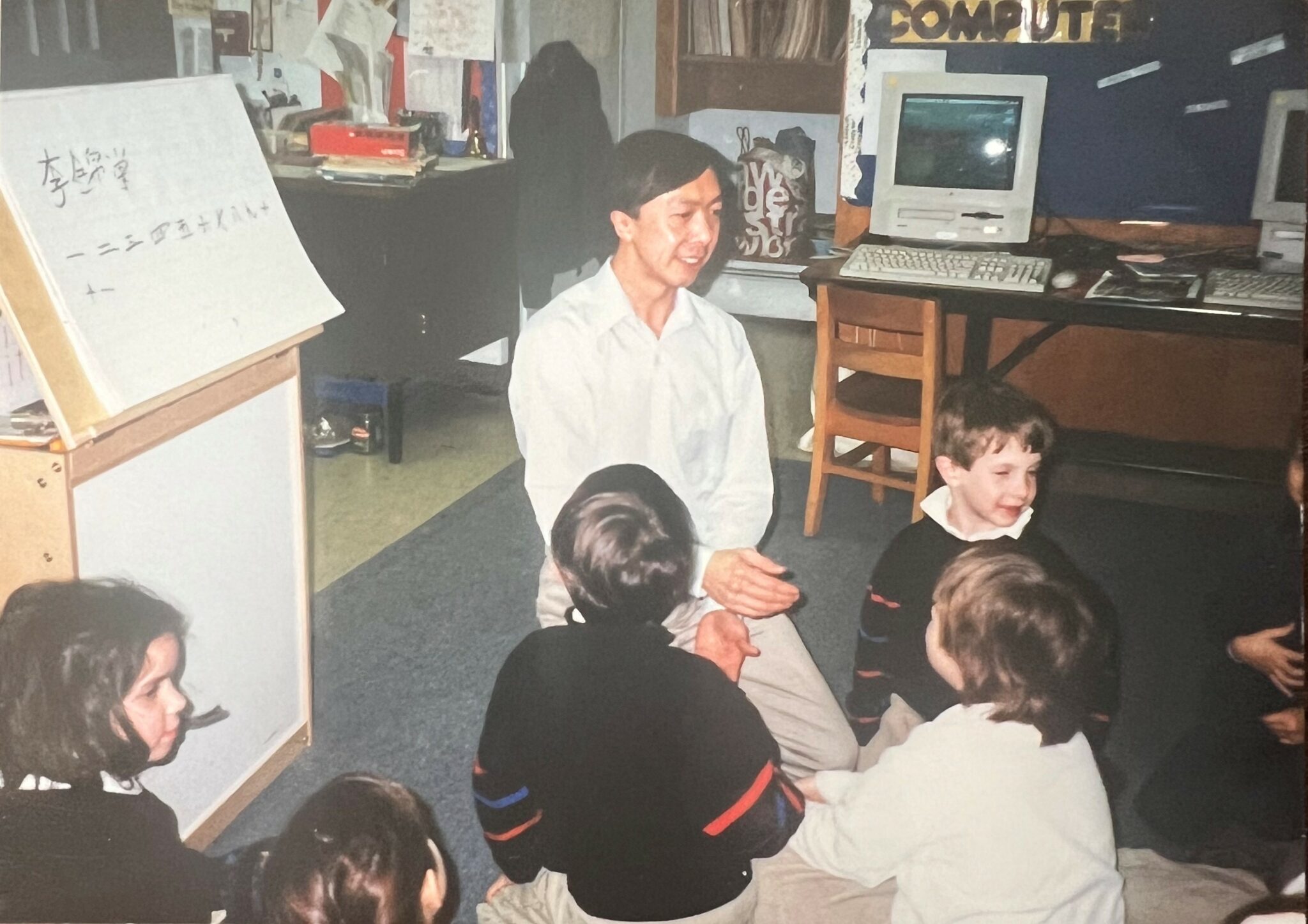
My dad came in as a guest to teach about Asian Americans at my school – when we had “China” units. No, my dad was not a teacher. He worked in a Chinese restaurant along with my entire family. He taught us from an assimilated immigrant’s point of view to a classroom full of white children who his daughter was DESPERATELY trying to fit in with. To say it was far from a complete history is an understatement. That being said, it didn’t make me any less proud. I loved the fact that we got to share this part of us, because even though I actively hid that side of me, it was that part of my identity where I felt the most comfort. I learned zero history about Pacific Islanders, which is often left out of the classroom and mainstream discussion. Inter-Asian conflicts, immigration…nothing

When I moved to high school and we started to expand to world history, the extend of our education was Asians equals communists. And how the western world needed to save them.

Mr. Li in Elizabeth’s Classroom

Elizabeth Li:

I had lived experience alongside Black Americans in my community outside of school, but it wasn’t WELL into my adulthood that I made historical connections and discoveries around solidarity. Once I gained access to diverse historical materials and first-hand accounts, I could see that it wasn’t just some weird fantasy that I was living in, but that there was more instances of solidarity and shared experience than there was of the divisiveness that was portrayed in the mainstream and within my classroom.

Jamayka Young:

I knew from a young age that everyone thought that Black students were “lazy” or “unintelligent” and that there was a stereotype of the high achieving Asian student, but I didn’t really put those two stereotypes in conversation until adulthood.

Elizabeth Li:

I grew up with such a large dichotomy between my home life and school life. So, it was a constant internal debate. When I was in minority communities, Black communities and Asian communities – I’d feel comfort, affirmation of my feelings, understood. But in the classroom, the histories I was taught or the histories that were completely erased from my learning made me feel like maybe I’m doing this wrong.

That’s why I’m so invested in the present space of speaking up about erasure, uncovering untold stories, and ensuring that people feel seen, because they’re not alone.

Avery Crocker:

My friends and I had concerns and questioned our experiences as well but only with each other. It wasn’t until our senior year that people started a Black student union and people started to voice these things outside of their own personal groups. After that group was formed, there was such a big difference in how the school did things and acknowledged what was happening for different cultures and communities. The curriculum was pretty much the same, but there were more efforts and actions taken outside of classes that were student led and supported by staff.

Jamayka Young:

In light of the recent state laws that appear to be using Asian American history to further divisions between communities of color, what does solidarity between Asian and Black Americans look like to you?

Avery Crocker:

After all this reflection, my initial thoughts are to talk about it! Share these experiences you’re having with each other and what the truth behind these things are. And also ask questions. Challenge folks when they try to divide these communities. Use your voice, educate when possible, and get involved where you can.

Elizabeth Li:

A quote that motivates me in my work is from civil rights activist Amanda Nguyen “the problem is invisibility, therefore, the solution has to be informed, thoughtful visibility.” 

Telling stories, engaging in community, being curious, sharing experience…to me that is how we breakdown the wedge between minority groups that is engineered and reinforced to perpetuate white supremacy.

Solidarity is community, and when it comes to the histories of Asian Americans and Black Americans, if we’re curious enough, and willing to listen-we’ll find that those histories are way more seeped in solidarity and similarity than they are in division and difference. 

Your Standoscope: Gemini Season

We’re officially in Gemini season which means it’s time to recharge, get outside of your comfort zone, and embrace curiosity!  

This season also marks the end of the school year, so take time to reflect on the last few months – What were some highs? Did you experience any challenges? In what ways were you involved? Are there any opportunities you would be interested in pursuing in the next school year? Let us know in the comments below!
Find learning and action opportunities this Gemini Season that align with your sign to make a positive impact your community!


Aries ♈︎

Aries ruling planet, Mars, is currently in fiery Leo, inspiring a passionate and creative atmosphere. This is a great opportunity to get creative and share your story of why education matters to you!


Taurus ♉︎ 

Mars is in Leo making a square with Jupiter in Taurus, which may inspire you to make big changes. The moon is also joining Uranus in Taurus, which can push you to take a risk! Learn some tips from a Chicago mom and activist on how you can make big changes in your community.


Gemini ♊︎

Mars in Leo is highlighting the communication sector of your chart, a perfect time to join the conversation with other education advocates at our monthly State Intelligence Briefing Call


Cancer ♋︎

Mars in Leo is square with Jupiter in Taurus, which could push you to make great strides toward a collective goal! Team up with fellow education champions in our monthly State Intelligence Briefing Call to work towards our collective goal of equitable education for all!


Leo ♌︎

Mars is in Leo, increasing your courage! Be bold and use your voice to stand up for equity in classrooms!


Virgo ♍︎

Mars in Leo is forming a square with Jupiter in down-to-earth Taurus, which could find you having a big breakthrough. New opportunities may arise. Keep up-to-date with events and learning opportunities and find new ways to get involved with the fight for equitable education!


Libra ♎︎

Mars in Leo has formed a square with Jupiter in Taurus, which could propel you and others you’re working with to make great progress toward your goals. Our monthly State Intelligence Briefing Call is the perfect place to find a community of other educational champions to join you!


Scorpio ♏︎

Your ruling planet Mars is in Leo and is opposing Jupiter in Taurus, which open opportunities for you and a romantic or business partner to making big changes! Learn from a Chicago mom and activist how you can make big changes in your community!


Sagittarius ♐︎

Mars is in fiery Leo, which may inspire you to be adventurous! Keep up-to-date with events and learning opportunities and find new ways to get involved with the fight for equitable education!


Capricorn ♑︎

Mars in Leo is forming a squares with Jupiter in earthy Taurus, creating an air of both passion and productivity. Channel that passion and use your voice to stand up for equity in classrooms!


Aquarius  ♒︎

Mars in your opposite sign or polarity, Leo. Leo is forming a square with Jupiter in down-to-earth Taurus, pushing out blockages and making room for something new. Keep up-to-date with events and learning opportunities and find new ways to get involved with the fight for equitable education!


Pisces ♓︎

Mars in Leo is in opposition to Jupiter in Taurus, which may lead to you making some needed changes in your daily routine. Find new ways to get involved in your local schools!


Want to get monthly Standoscopes to your inbox with opportunities to learn more about educational issues, and ways to get involved? Sign up here to stay informed!

Connect With Us On Social!

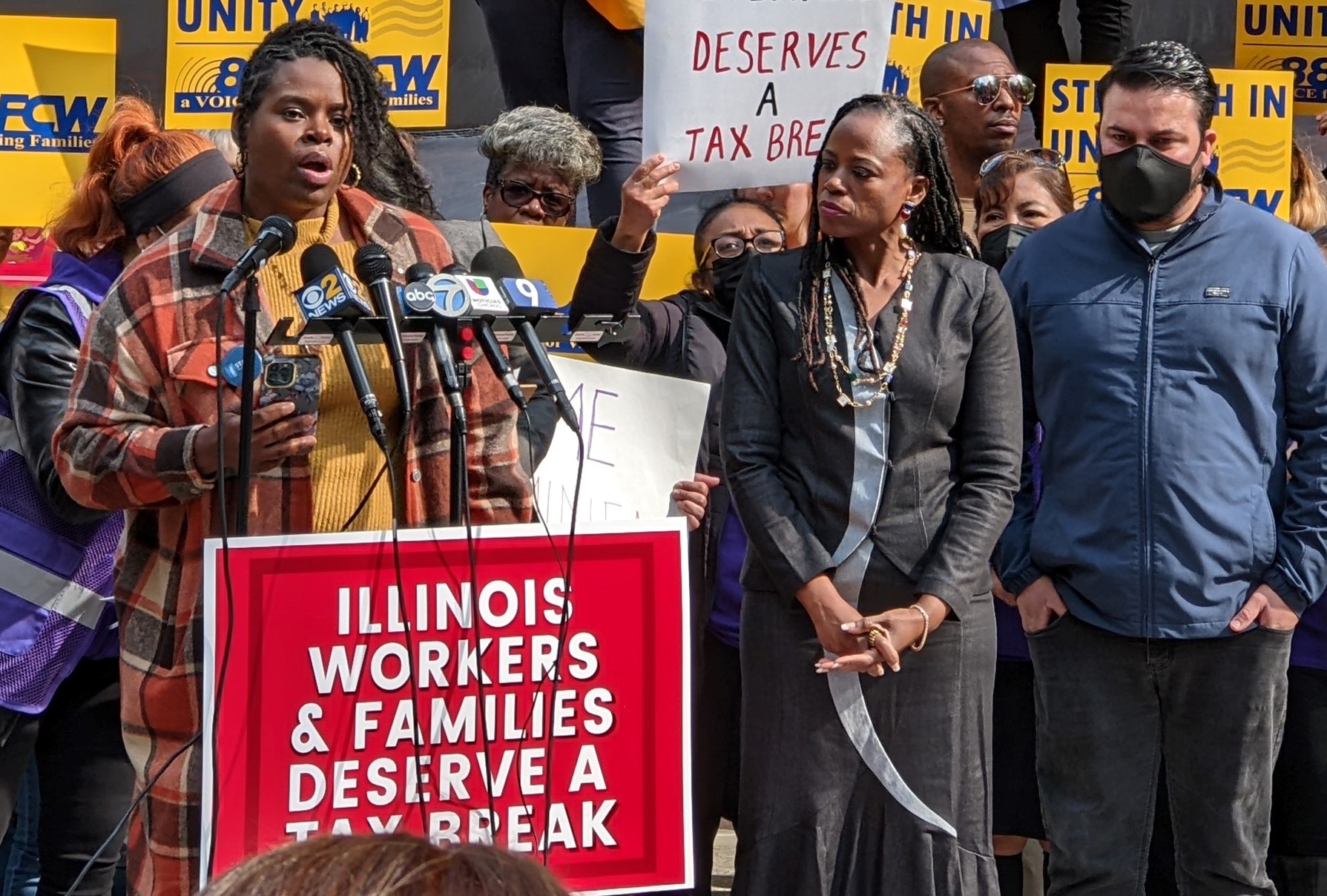
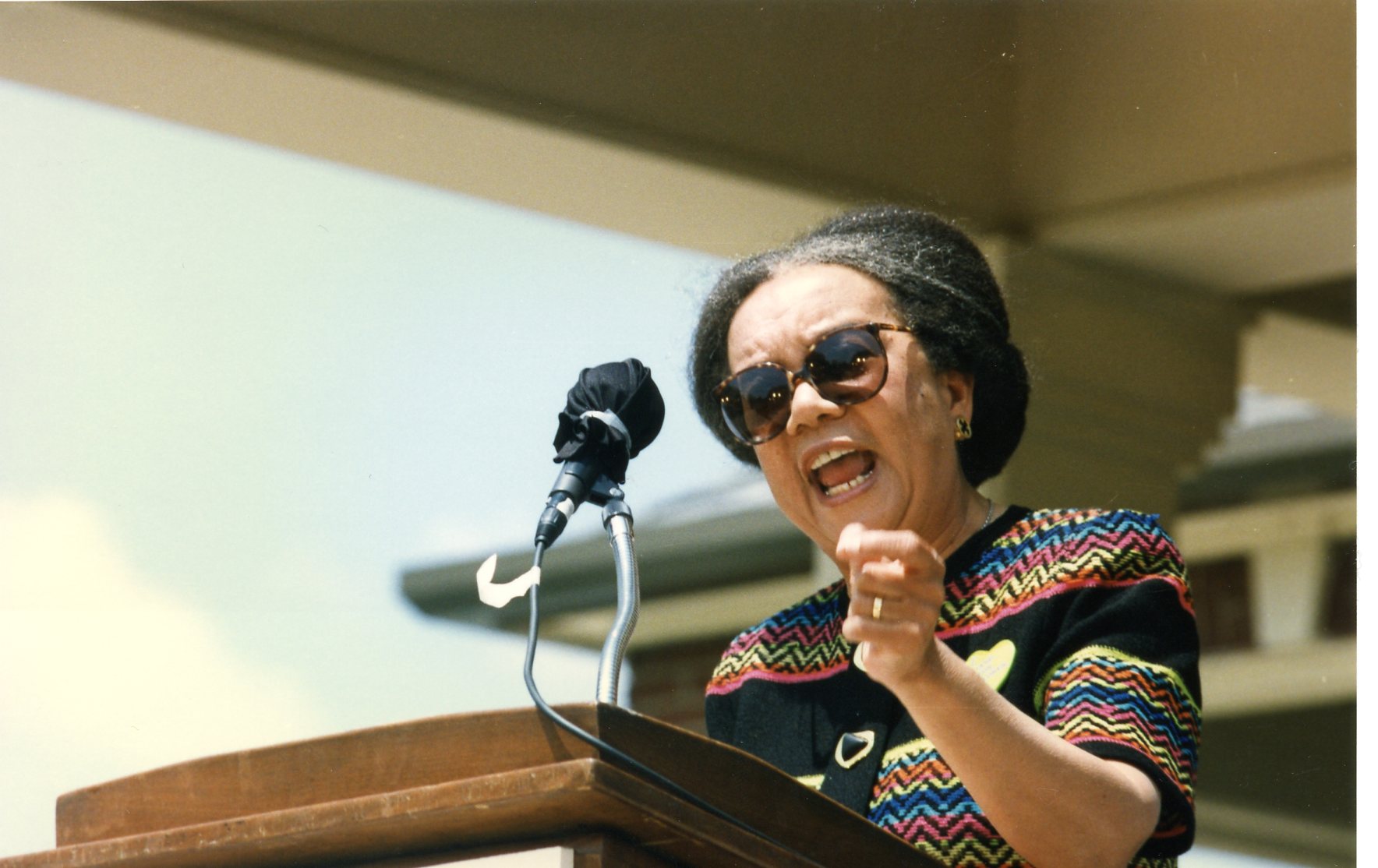
photo of ida speaking at podium in front of protesters with picket signs. Poster on podium reads "Illinois workers and families deserve a tax break"

WHAT we CAN LEARN FROM ONE MOM’S ACTIVISM THAT CHANGED ILLINOIS STATE LAW

Ida nelson spearheaded what would become the Jett Hawkins anti-hair discrimination law. Now, she wants you to join her in fighting for students.

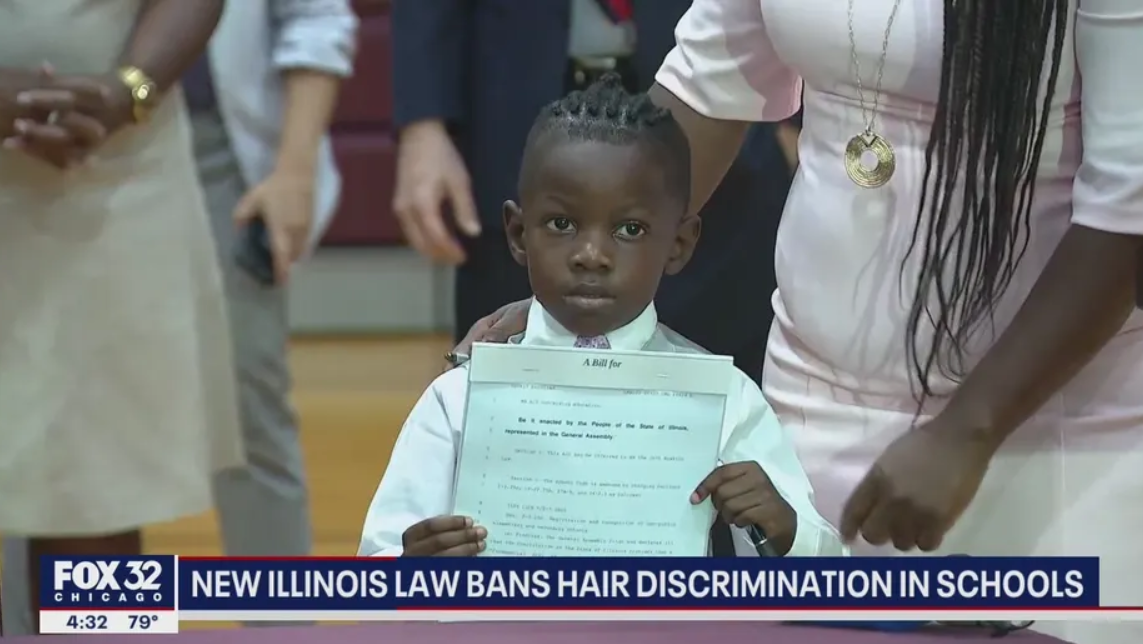
In August of 2021, Chicago mother Ida Nelson stood with her son, Jett Hawkins, as Illinois governor JB Pritzker signed the Jett Hawkins Anti-Hair Discrimination Act into law. A year before, Jett, age 4, was sent home from school with an ultimatum— change his hairstyle or face suspension. The hair in question? A freshly braided set of cornrows, a traditional hairstyle in the African American community. “That day, Jett had worn his hair in braids, something that made him feel proud and happy.” Ida told me.

Even though the Crown Anti-Hair Discrimination Act has been signed into law in 20 states since 2019, these racist  policies exist both in writing and in practice in school districts around the country. Discretionary dress code policies have been especially wielded against Black and Indigenous students who are disciplined at alarming rates for wearing their hair in its natural state or culturally significant styles. This wasn’t the first time Ida had heard of these discriminatory policies at her son’s school—but she made sure it would be the last.

Image
Jett Hawkins, Fox News 32

“I oftentimes get upset about the injustices that I see. But being upset is just a starting point. It’s a call to action for me to decide what I can do about it.” 

The Jett Hawkins Bill was signed into law in 2021, protecting over two million Illinois students from facing learning disruption for wearing their natural hair and cultural hairstyles. But Ida’s work isn’t over. And now she is calling on parents around the country to follow her lead. “I know that my community is going to be changed for the better in my lifetime by me just doing these little things and getting other people to buy in and to do the little things with me. And that has a snowballing effect and can make big changes.”

With the repealing of policies of inclusion in schools across the country, in tandem with the rising passage of book bans and restrictions on teaching students about marginalized communities in America, many parents are faced with similar scenarios at their own schools. I sat down with Ida Nelson to shed light on her journey and the pathways other parents can take to change these policies and protect their children.


JY: Okay, so you get a call from the administration of Jett’s school telling you to change his hair or he’s getting suspended. How did you know what steps to take next to push back against this discrimination?

IN: I am a person that once I start thinking about something, I won’t let it go. I am also that person that whenever I see something wrong, I’m not going to go to the manager, I’m going to write corporate. 

For me it’s important to really hone in on what the issue is. Why did I feel so upset hearing this? Because it was not just about hair. That was the surface problem, but it was the combination of all the things that we’re talking about. Like why is it that my four-year-old little Black boy’s hair is offensive and banned with zero tolerance? That’s teaching kids that how they show up is not acceptable, and that they must change that in order to fit in with their society. And we know that that’s not true.

If you’re constantly targeting Black children for behavioral things, messing with their mentality or their understanding of what makes them special and unique, you know, interrupting their confidence, then that disrupts what they believe that they’re able to do and it keeps perpetuating the cycle of poverty.

But it also was about me being methodical and strategic. I knew that this was bigger than a hairstyle instinctually, but I needed to figure out how to articulate what the actual problem was and not from just an emotional standpoint. So, I started doing my research and writing out the statistics for how many times Black children have their academics disrupted for their hair. I started collecting all of that information, then I started collecting information about other instances of Black children being targeted with academic disruption and being kicked out of school for these zero tolerance policies.

JY: And after all this researching, how did you know who to contact about your problem?

IN: So, I did start with the proper channels. I started with the school, and the principal and I requested to speak with the board. And then I worked my way to the alumni. You know, I found my allies. When I felt like I wasn’t being heard I went to social media.

Then I went to the media after I got folks to buy into the idea that this is a problem, and why it’s a problem. And then we started working on the law, like I started reaching out to legislators, and working on trying to get it started with my aldermen, my own senator, Trisha Van Pelt, state representatives. And I looked at precedents. The Crown Act was the precedent that I was able to run off of, showing that my issue was something that was against the law.

JY: As you’ve worked on getting the Jett Hawkins Act passed and now implementation, you’ve been forthcoming about your own background. Why is it important to you to talk about your personal story?

IN: That’s the thing about storytelling, you telling and sharing your story is going to empower and inspire somebody else. And that’s what we’re here to do. We’re here to empower and inspire.


Ida continues to spread positivity and have an impact on her community today, whether it be in policy implementation or using her ice cream business to get local parents and children involved in the community. She stands as a precedent for other parents who are facing similar issues in their own local communities. My key takeaways for how parents can learn from this conversation with Ida are:

  1. Be bold! Be the leader that you want to see. Someone has to step up to the plate, and there is no reason it can’t be you.
  2. Speak up! Leverage your story to your networks. Use social media, talk to people in your community, find some way to make noise about the issues you care about the most.
  3. Look for allies! There are people that you can find who already are doing the thing you’re trying to do or can help connect you with people who can help. 

Whatever path you take, know that you, like Ida, can make a difference in the lives of your community.

FIND YOUR STORY

Why Tell Stories?

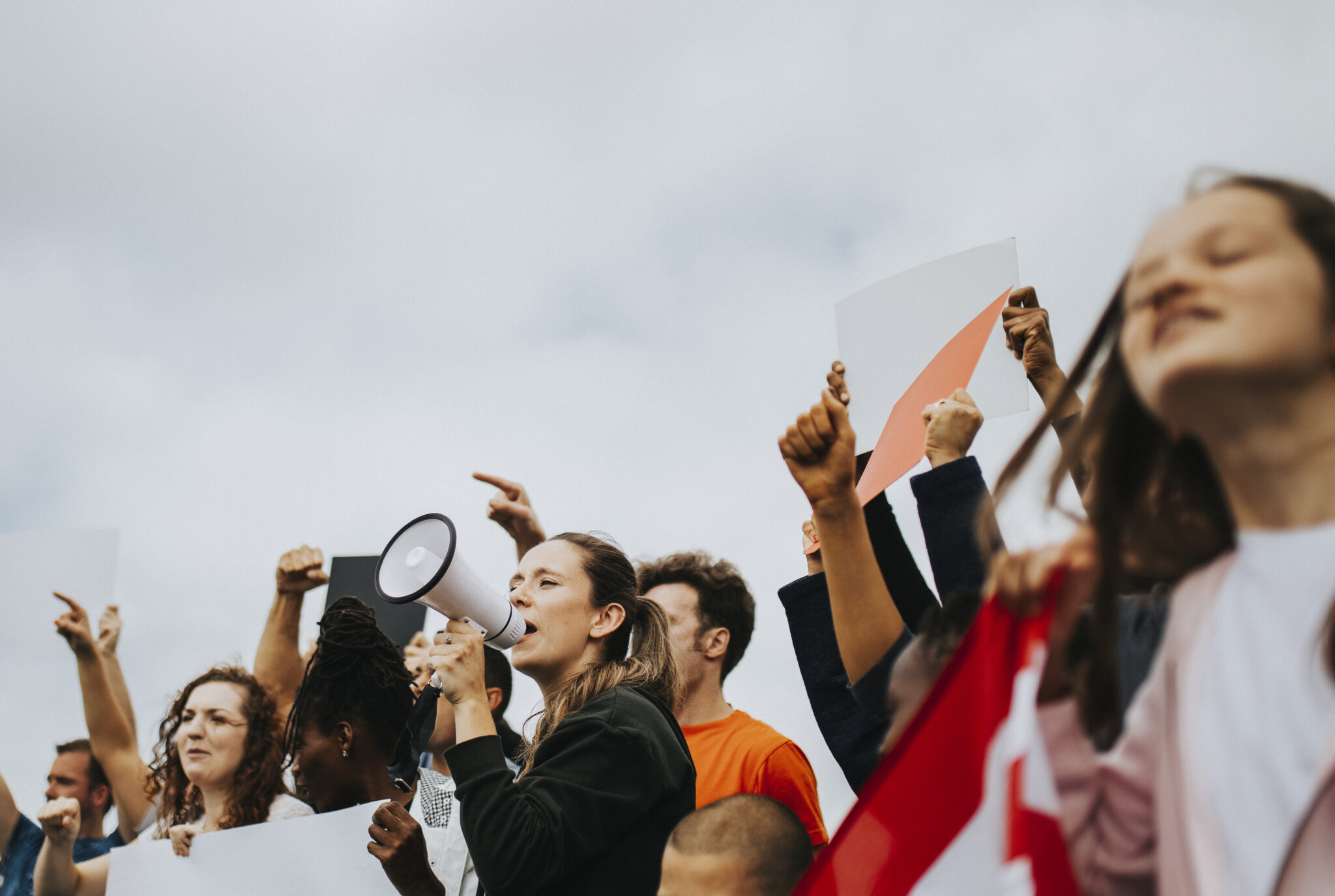
Group of American activists protesting

Humans are wired for storytelling. It is how we learn about and relate to the world around us. From movies, to campaign speeches, to restaurant recommendations from friends, we experience and share stories everyday that shape our thoughts and actions.

When we use those stories to inspire changes in the actions of our friends, families, and communities, that is called Public Narrative. Simply put, public narrative is using storytelling towards a shared goal. 

People are ignited by their emotions, which is why we focus on storytelling. But passion alone is not enough. We need to direct that passion towards a common goal. This is why public narrative cannot be done in isolation. Unlike a personal story, we must engage with the collective story of the community we are in.

We develop public narrative through deep listening. That means being an active part of the community. Remember, sharing our stories is an act of leadership that inspires others to join us in making change! So, introduce yourself to your neighbors, attend local events, join a book club! Find ways to get to know the people around you so you can have a nuanced understanding of the shared values, experiences, and beliefs you have with the people around you.


“Well-told stories help turn
moments of great crises into
moments of new beginnings.”

– Marshall Ganz

Public Narrativew: A Story In 3 Acts

We can imagine building a Public Narrative as telling a story in 3 acts. Those are the Story of Self (call to leadership), Story of Us (shared values and experiences), and the Story of Now (urgent issues + strategies).

Remember, Public Narrative is about the process, not strict rules! These are all guideline to help you get started. We develop our storytelling skills by sharing, listening, reflecting, and then sharing again. Make this story your own, and applicable to your community!

Feel free to play with the order of these for the most compelling version for your experiences and whoever you are talking to. What is important to remember is that all of these pieces are connected and feed into one another!


Story of SelF

We can think of the story of self as the reason you were called to speak about the issue at hand. In this part of the story, we are looking for the experiences and memories you have that make you feel passionately about the issue. Give clear images and details to paint the scene. Below are some reminders and guiding questions to keep in mind when writing your Story of Self:

Story of us

This is the point where you connect with the other person or audience. Why should they care about this issue? And why should they trust you? We want to build trust through grounding the story in the shared values, experiences, and beliefs you have with your audience. Below are some guiding questions and ideas to keep in mind when writing your Story of Us:

story of now

In the final part of the story, tell the other person what is happening right now that needs their attention. Three things to remember when discussing the current issues facing your community is to describe why the issue is urgent, why it is important, and to give them hope that they can help make a difference. Below are some guiding questions and ideas to keep in mind when writing your Story of Now:

Good Stories Have A Plot!

The key plot points to remember are the challenge you faced, the choice you made, and the outcome of your choice. Below are some guiding questions for each of these plot points.

Challenge
  • When was a time you realized the value of a good education?
  • Do you remember a moment when you felt like fair access to education was being threatened?
  • Do you have any memories of engaging with ideas and experiences from other communities that had an impact on you?
  • Have you taken any classes, read books, or participated in events related to this issue?
Choice
  • In that moment, did you say or do anything?
  • Is there anything you wish you would have said or done?
  • Why did you make that choice? How do you remember feeling at the time?
Outcome
  • How were your thoughts or actions different after that moment?
  • What ways have you engaged with this issue since that moment?
Shared Experiences + Beliefs

Dig into those things you relate on to find common ground and build trust in your audience that you are someone they can relate to.

Guiding Questions
  • Do you and the other person (or people in the audience) have any shared experiences?
  • Do you work at the same job?
  • Are you all religious?
  • Do you love being in nature?
  • Do you care a lot about a local school?
Values, Values, Values!

We want to highlight shared values as motivation for action. Describe how these values are impacted by the issue you care about. Paint a picture of how their values would be realized if they act or threatened if they do not take action.

Values Examples
  • Loyalty
  • Compassion
  • Honesty
  • Kindness
  • Integrity
  • Family-Oriented
  • Determination
  • Generosity
  • Tolerance
  • Community
  • Fairness
  • Justice
  • Religion
  • Safety
  • Self-Reliance
Urgent, Important, and Achievable

In the final part of the story, tell the other person what is happening right now that needs their attention. Three things to remember when discussing the current issues facing your community is to describe why the issue is urgent, why it is important, and to give them hope that they can help make a difference.

Urgent + Important
  • Link the sense of urgency to the shared values from the story of us.
  • Describe how your shared values are under threat in the current moment.
  • Describe how action taken now will help to ensure your ability to continue to practice your values.
Give Hope

The urgency + importance of an issue can often be upsetting.

We need to also leave the audience with hope that the world can change.

Paint a picture of a world where your goals are achieved.

Remind the audience that they can make a difference!

Practice exercises

1. In what ways do you engage with your community? What new ways would you like to try engaging with your community?
2. Using the guiding questions from the Story of Self plot points, describe why it’s important that all students– regardless of how they look, live and love– feel included, supported and safe in school.
3. Using the list of values above as an example, name five values or experiences you share with your community that relate to the reason education matters to you.
4. Using the shared values and experiences you listed, describe why members of your community should join you in fighting for high quality education for all students. (i.e. “We all care about ___ so we should all care about this issue.)
5. Tell us what current issues or opportunities around education are happening in your community? What can be done about those things? Why should we take action now?

Put it all together: the story of you!

You did it! Combine your practice responses from questions 2-5 to create your own public narrative. And when you are finished, share it with us! With all our voices together, we can make a difference!

Remember, this is a guideline, not a rule book. The best way to develop this skill is to practice! Every time you work your storytelling muscles by engaging your friends, family, and neighbors, your story will improve. As you continue to mold your story, the feedback and responses from your audience will help you grow as a speaker and add nuance to your understanding of the issue, making you a better advocate. Whether talking to a family member or speaking at your local parents’ group, remember that your stories have the ability to change minds and make a difference. So, use your voice!

Want to start the conversation with your community? Download the Empower app and invite 3 people you know who also want to discuss these important issues. Together with our communities, we can find new solutions, and make real changes.  

SHARE YOUR STORY!

Oftentimes, students only learn about Black history in February. For the rest of the year, Black people are missing in textbooks and lesson plans. With ongoing attacks against African American studies in schools, this campaign aims to show why teaching Black history to students is vital to their understanding of the world.

Help us by sharing your experience learning about Black history in school. You can share your story by using our written story collection tool or record a quick video about your experiences using our video collection tool!

We encourage you all to utilize your networks and post your stories on social media, tagging us (@Stand4Children on Twitter) and using the hashtag #BlackHistoryYearRound. Share your story to help us amplify the importance of #BlackHistoryYearRound!

  • BLACK HISTORY YEAR ROUND

    Oftentimes, students only learn about Black history in February. For the rest of the year, Black people are missing in textbooks and lesson plans. With ongoing attacks against African American studies in schools, this campaign aims to show why teaching Black history to students is vital to their understanding of the world.

  • Celebrating Educators: Haley’s Story

    Watch Haley tell her story on Instagram:

  • Beyond Acceptance: Supporting Neurodivergent In Schools

    “It’s not enough to say that we accept them. We have to take that additional step further to inclusive schools, promoting fully inclusive special education”

  • The Pink Collar Penalty

    From daycare workers to classroom teachers to language pathologists, those working in education do the critical work of preparing future generations, while being met with the obstacles and inequities that those in all pink-collar industries face. 

three children reading books sitting on cushions

I ran for the school board in Pleasantville because I believe all children deserve to receive the best educational and emotional support. I’m a mother of three students who currently attend Pleasantville public schools, and my fourth child will be enrolling this fall. Pleasantville is a diverse city in southern New Jersey with classrooms filled with Black and Latino students and teachers. Which is why I was surprised when my son told me how rare it is for his lessons to mention the history and contribution of communities of color in this country.

Learning about the lack of accurate history being taught, and the reality that students of color and those living in poverty were denied the same resources present in nearby school districts pushed me to run for the school board. I was determined that these students have a fair opportunity to succeed. When I was elected, I was truly honored to have the chance to work with my fellow board members and the rest of the community to make our school district reach the potential that I know it can reach.

Now, I feel like we are really starting to see change, and that the students can see it too. Just last month, the high school held their first Juneteenth celebration. While that is a great start, I don’t want it to end there. I’m hoping for next year to be a community-wide event that gives students a clear understanding of the past and a chance to celebrate the future. To me, being on the school board makes me feel like I can make a real difference in the education of my children, and of all the children in my community. If I had to say something to all the parents in the district, it would be to not be afraid to run for something, join an organization, or find a way to get involved in making our schools safer, healthier places.

Cassandra Clements

School Board Member, Pleasantville Board of Education

We needed 283 votes to save our school. Little Red is a K-4 school, the only school in Croydon. The older students are allowed to choose one of the nearby middle and high schools to attend, and our district covers the expenses. That’s how the original budget worked at least.  

We got our last big snowstorm in March, on the day of the annual school budget vote. Anti-public-school extremists used the resulting low turnout to slash the district budget in half. It passed and I was in disbelief. With the new budget, Little Red would close, and Croydon parents would have to pay $8,000- $9,000 per student to send them to public schools. I was devastated thinking of what this meant for my 3 children and all the students I taught every day.  

Other parents felt just like I did. Stand up for Croydon Students, the organization we eventually formed, started off as just a group of worried parents trying to figure out how to protect our children. We eventually found a way that would allow for a budget re-vote, but only if we were able to turn out 283 voters. Croydon is home to about 800 people, and in my time on the school board, only about 50 of them usually came out to vote.

So, we got to work. We spent the next few weeks drafting up petitions, posting lawn signs, calling neighbors, and knocking on doors. To see so many people come together to protect our children, it felt good to know that your neighbors really care about the community.  

It was the first week of May and the YMCA camp dining hall was packed with friends and neighbors. Still, we couldn’t risk not having enough voters turn up, and spent the morning calling to remind everyone how important it was to come out, vote, and protect our schools. The hall was bubbling with energy as the vote was counted, and in a landslide vote of 377 – 2, we won. Weeks of hard work paid off.  

In that moment, we had stood up against extreme politicians to say no to privatizing our schools, that we would fight to make sure that all our students had a quality education. We proved that when we fight together, we win.  


Thomas Moore
High School STEM Teacher, New Hampshire