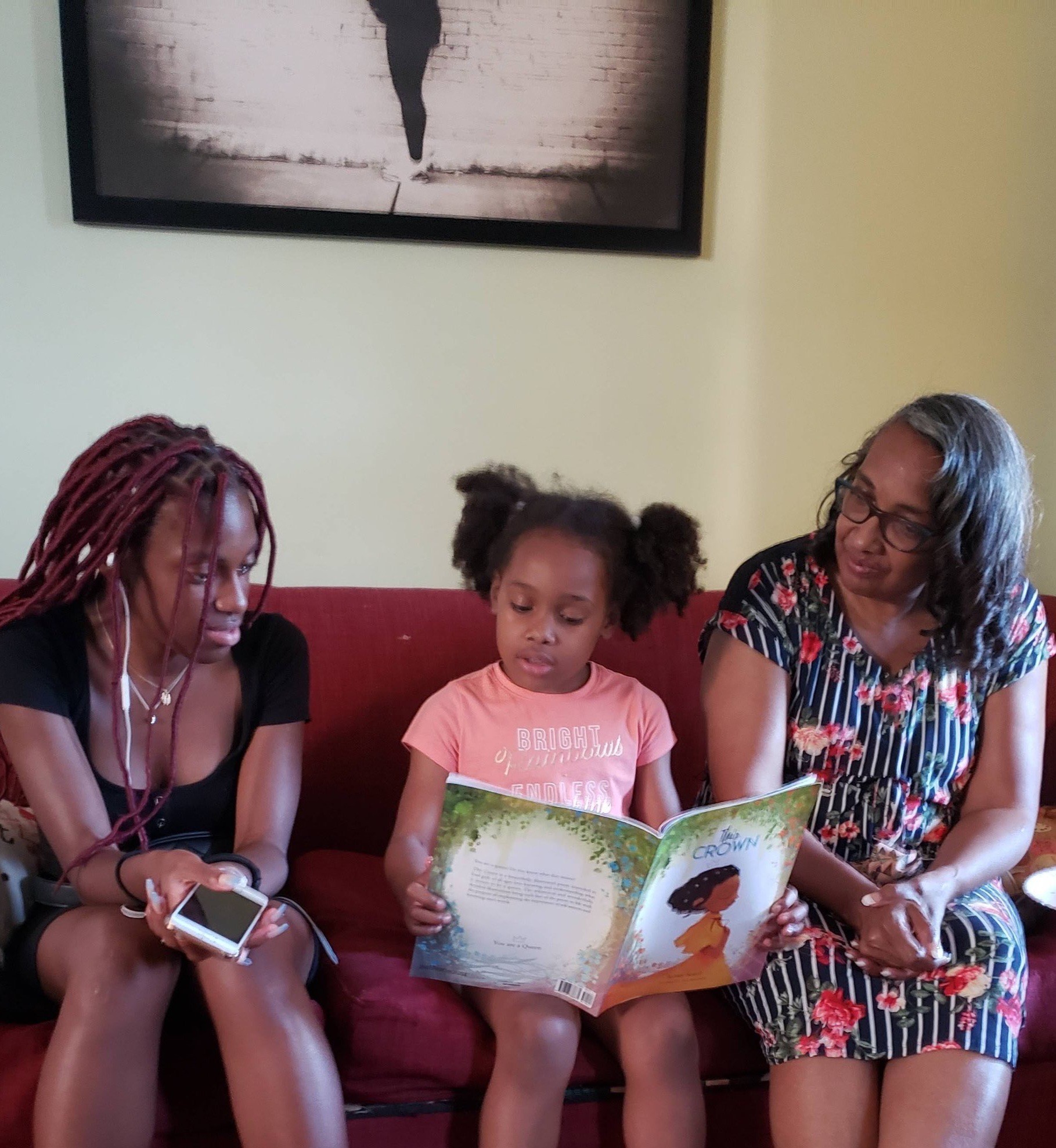

Sherry Holmes, George Washington Carver School 87 parent, pictured above.

INDIANAPOLIS – Stand for Children Indiana (Stand Indiana) today announced a gift of $50,000 to the Vote Yes for IPS political action committee to support the district’s 2023 Capital Referendum.

The PAC contribution was supported by Stand Indiana parent advocates, who met in March to discuss the organization’s position on the May 2 referendum. During their meeting, parents discussed the dire need for improvements and their ultimate wish for every student enrolled in Indianapolis Public Schools (IPS) to have facilities that support learning and the health and safety of young people. 

Some Stand Indiana parents have children in buildings that are slated for improvements as part of the capital referendum, while others spoke to the community benefits of having improved facilities in neighborhoods across Indianapolis.  

“I support the capital referendum because all IPS kids deserve a safe place to learn,” Edison School of the Arts parent Swantella Nelson said. “I hate to think that any IPS kid is learning in a building that isn’t secure or has major safety issues.”  

“There are huge disparities between IPS and school districts just north of us,” George Washington Carver 87 parent Sherry Holmes said. “My kids attend a school that I love, but [the building] needs much better security and classrooms that are a comfortable temperature.  

“Kids 30 minutes away attend schools that are luxurious in comparison and give them huge advantages solely based on their ZIP codes,” Holmes continued. “Those advantages equal opportunity. I support the IPS capital referendum because our kids deserve an upgrade, and they even deserve more.”  

“As parents, we want our children to have quality buildings and attend safe schools,” Ana Delgado, a parent at The PATH School at Stephen Foster 67, said.

“Sometimes it feels like we are so far from reaching the things other districts in higher income ZIP codes have but I think if we all vote to pass it, this referendum helps so many IPS children have better places to learn,” Delgado said.  

In December 2022, the IPS Board of School Commissioners unanimously approved a $410 million capital referendum, which will be placed on the May 2 ballot. A facilities study conducted by IPS shows that more than 30% of IPS buildings are currently rated in “poor” condition. If passed, the 2023 Capital Referendum will allow IPS to bring all IPS elementary and middle school buildings to “good” status within eight (8) years.

OPPORTUNITY: a set of circumstances that makes it possible to do something.

GAP: a break or hole in an object or between two objects.

These words defined separately don’t have the same meaning as when they are placed together. Together, these words showcase the disparity in access and ability to have a high quality education for some kids. And it’s not the kids’ fault.

Let me paint a picture for you. The opportunity gaps in our schools are two very different extremes:

Some public schools have excellent educators, the latest curriculum, 1:1 technology, state-of-the-art buildings, classrooms with smart boards, great music programs, and lunches that are appetizing. These same schools offer exposure to inspirational and life-changing resources, experiences and opportunities. They have class trips to Washington D.C.

Other public schools aren’t as privileged. Some schools lack the opportunities listed above. They don’t have the support needed to help traumatized children living in poverty. These schools have high suspension rates, failing test scores, low teacher retention, weak policies, procedures and leadership, libraries with outdated materials, and lunches that wealthier families would never imagine serving to their kids.

Again, this is not the kids’ fault. These schools need more support and more resources to help children who have been let down. They need teachers who stick around and funding to ensure they can provide the same educational opportunities and experiences as privileged schools offer.

These opportunity gaps in our schools only grow wider as our children get older. And the evidence of these gaps shows up in the form of the mass incarceration of our Black and Brown men and women across our country. These opportunity gaps are evident when we see the majority of people in positions of power – politicians, professionals, executives, lawyers, doctors – being predominantly white.

I have experienced the opportunity gap firsthand. As a child who was transient most of my life with over 37 different addresses within Indianapolis, I attended several schools – some township and some within IPS. My experiences in these schools were vastly different, as different as the pictures I painted above.

As a mom of three, I worry about the growing opportunity gap. I want my children to be able to access the highest level of quality educational training they could possibly have. Without a quality education, too many children end up in the continuous cycle of trauma, poverty, incarceration and death.

By working together, people like you and me who care about public education can close opportunity gaps and give more children access to the quality education and opportunities they deserve.

Join me in the movement to ensure every Hoosier child has the same opportunities to succeed:

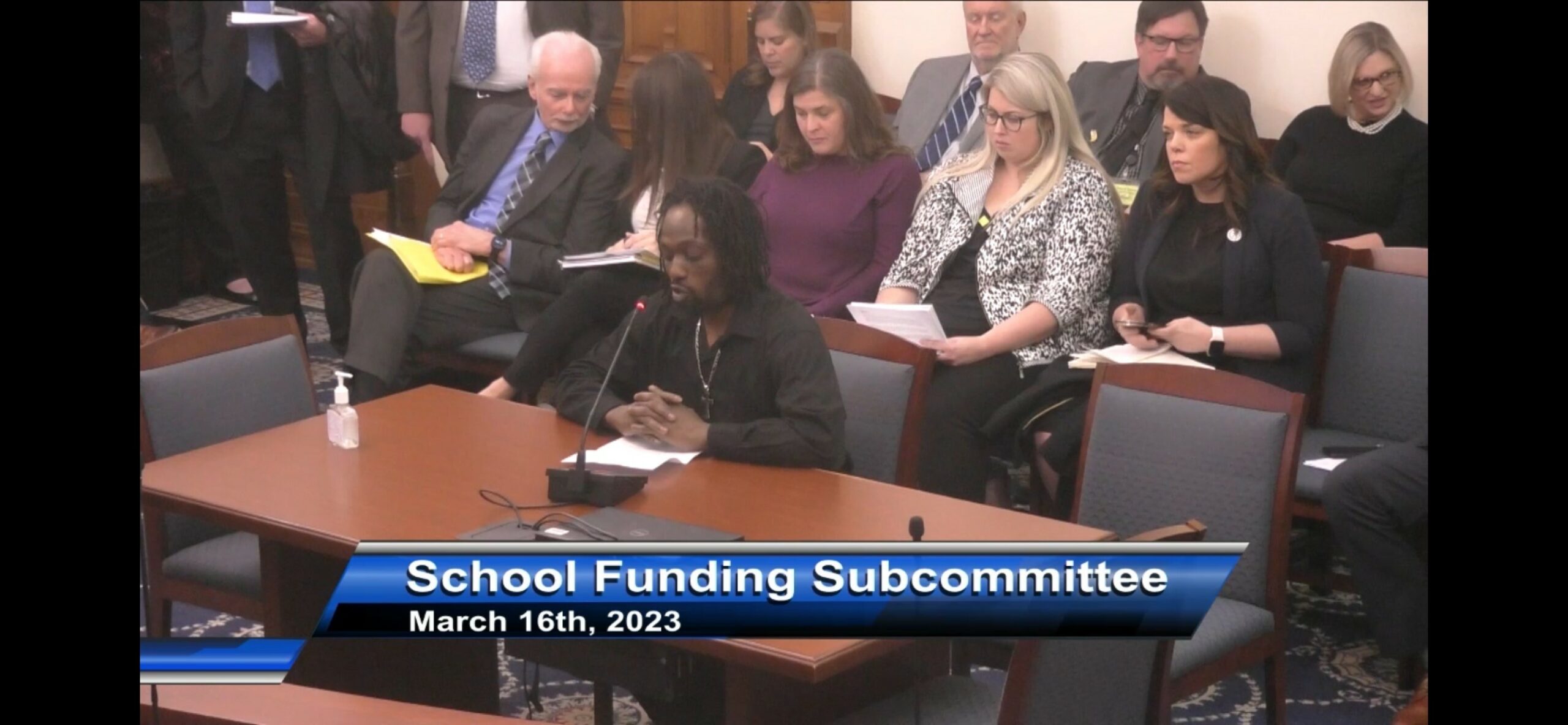
Watch my testimony to the School Funding Subcommittee from March 16 in the video below. After you watch, join me and take action today by emailing key legislative leaders.


Watch my testimony to the School Funding Subcommittee from March 16 in the video below. After you watch, join me and take action today by emailing key legislative leaders.


Watch my testimony to the School Funding Subcommittee from March 16 in the video below. After you watch, join me and take action today by emailing key legislative leaders.


Watch my testimony to the School Funding Subcommittee from March 16 in the video below. After you watch, join me and take action today by emailing key legislative leaders.


I am a senior at GEO next generation which is a charter school on the East side of Indianapolis. I am also an English Language Learning (ELL) student and I hope to see funding for ELL students like me increased this year during the budget session. ACT NOW.

When I was in 3rd grade, I was held back a year due to not knowing English. There was not a lot of ELL help for me during this time and my parents didn’t know a lot of English so I didn’t have any help.

To learn English, I had to learn it slowly. If I would have had extra help, perhaps I wouldn’t have been held back and I would have already graduated. This would make my life now so much easier because I am not just an ELL student but also a full-time employee working twelve-hour shifts to pay rent and help my family keep our home. 

My mom, sister, and I are alone here in Indiana, and we have gone through many hard times, especially during COVID because my mom got very sick and lost her job. I had to drop out of school for a while so that I could work three jobs because we were kicked out of our house.

I am one example, but many ELL students I know are juggling more than just their education and we don’t always have enough resources and support in our schools.

This year, I do have an amazing ELL teacher, Ms. B, and I am grateful for her. She truly believes in me and has taught me about passing the WIDA test and how important it is for me to advocate for not only myself but all students that are like me. I wish I would have met Ms. B when I was in 3rd grade. Our community needs more teachers like her. Which is why we need to be able to pay for quality teachers like her. Yet, Indiana is still underfunding SPED, ELL and low-income students.

I plan to both email key lawmakers and go to the statehouse to share my story. I hope my efforts will result in more funding for students who are learning English, students who are in special education and students who come from low-income households.

It would mean a lot if you’d join me and send an email to key lawmakers today!

I hope that one day, schools are funded in a way that allows students like me to get the supports we need and have teachers like Ms. B. I don’t want my little sister or any other student to face being held back and go through what I have.

My English is not perfect, but I have been trying hard to learn so I can support my kids that are English Language Learners (ELL)  and go to a charter school.

Because my children attend a charter school in Indianapolis, I am advocating for schools like the one they attend to be funded fairly. Children in public charter schools in Indianapolis receive nearly $7,000 less per student than nearby district-run schools. That funding gap per child for charter schools statewide is nearly $4,000.

I would like our lawmakers to close the gap in funding for charter schools. The most important thing about a school is not the school type, but that families feel safe and see their kids do good –and they need adequate funding to do that.

You can join me in asking our lawmakers to close the funding gap for charter schools by sending an email today on this page.

I support House Bill 1558. Because I am a reader and my children are readers and even my grandchildren are readers. I did not initially think Indiana was facing a literacy crisis.

But then I began to volunteer with my church.

And in asking elementary through middle school students in my Sunday school class to read basic passages, I saw and was extremely disheartened by the failures of our public schools. And I do say public schools because I know that ANY child can learn to read. But they need to be taught with proven methods.

When I first noticed this problem, I felt helpless and really overwhelmed – especially as I watched an 8th grader who was struggling to read a primary school book. I wondered how she had gotten by and how our schools could pass along children who cannot read. I questioned if the materials we were using to teach children were the right ones. I asked her mom if she had an IEP and she did not. I was told she simply did not like to read. But I know that liking to read and being able to read are different things. One is a preference and one often determines our futures and the rest of our academic experiences as well as our lives.

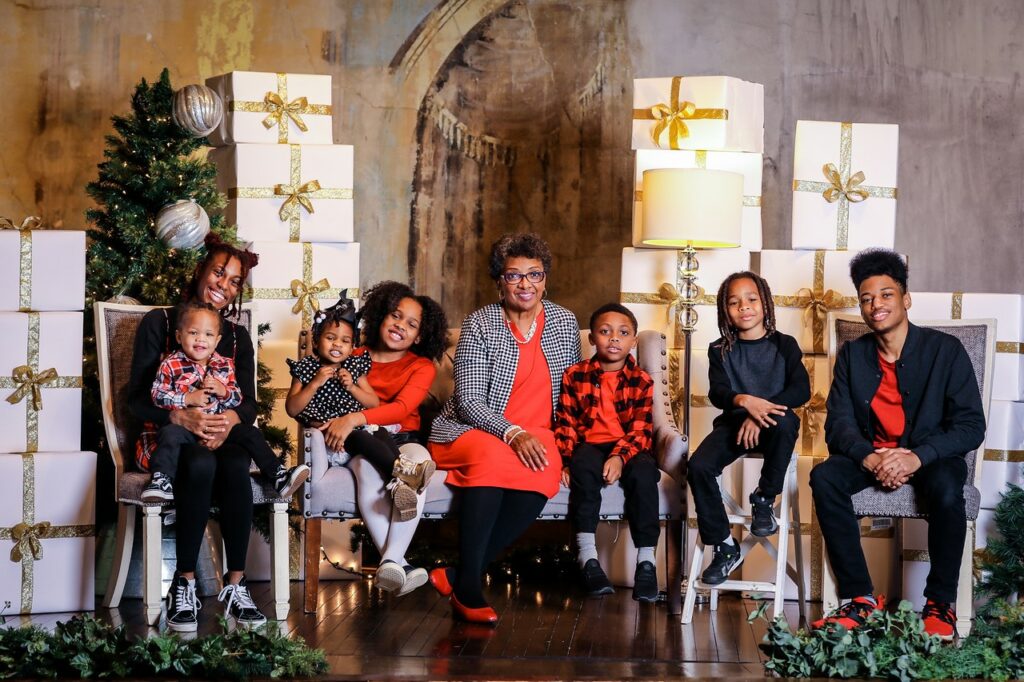
Natalie Lott and grandchildren.

Seeing so many kids all behind where they should have been, I couldn’t sit by and do nothing. 

So, along with two other volunteers at my church, we started a Tuesday class to help students who were behind in reading. A teacher we knew offered us a suggested class and book. The book is based on the Science of Reading. And while I did not know that at the time, I can say that it is helping. I can also say that what we are currently doing in our public schools is not.

Since all of this began, I have learned that only 37% of children in Indiana are reading on grade level. But the statistic is sadly no longer as shocking. It is, however, still extremely unacceptable.

As a state, we must do better for our children. I believe that HB 1558 does just that. It helps ensure schools have the right curriculum, based in science. It makes sure our teachers and schools are supported in this.

 I am not an expert on this bill, but I can say that our kids need to learn to read. Reading will determine their futures and ours as a state.

I hope House Bill 1558 passes. Through my work, I can help 10-12 children at a time. This bill has the possibility to help thousands of Indiana students.

I appreciate Representative McNamara for authoring House Bill 1493. Below is my personal story and reason I believe HB 1493 is a great step in the right direction for our youth justice system.

I would have never imagined the stress of having a child go through the criminal justice system before experiencing it. A few years back, my oldest son Marcus was arrested at the age of 16. He was taken to a juvenile facility after some older boys he was with blamed him for a crime they committed.

From there, my son Marcus was scheduled to attend court on two separate occasions. He also had to write a letter and go to counseling. Last, he was placed on probation. All these things came at a cost. These costs and fees were in my son’s name, despite the fact that he was a minor with no income.

I felt fortunate at the time because we had health insurance, and I had the savvy and resources to seek out a counselor for him to complete his sentencing requirements. We had to do this on our own though and if this situation would have happened just a few years before, it wouldn’t have happened as smoothly. I would have struggled to cover the costs.

Because the prosecutor understood that my son was a good kid, he decided not to put him through court. Even though he didn’t go, I still had to pay the fees for the dates that were previously set. Even though it wasn’t as burdensome for me as it may have been for someone with a lower income, there are people that look like me that may not be able to advocate for their child or navigate the criminal system as well.

As traumatic as the situation was, it could have been worse if I didn’t understand how to navigate our system or didn’t have the money available to pay the cost and fees.

I do not know of a single child with the ability to afford the fees and costs associated with our juvenile justice system. Kids simply don’t have the money to pay. If they are able to afford anything at all, it is because they have been given the money by a parent or another adult. And for families already struggling, the costs of our system can be devastating.

Our juvenile system is meant to be rehabilitative and forcing kids to pay, especially kids who come from families who cannot afford it, makes our system punitive.

As I understand it, parents are currently responsible for reimbursing the state for out-of-home placements and this bill would eliminate that cost for families who cannot afford it. While my son luckily never had to face being placed in a detention center or foster home, I fully support this bill. It would eliminate some of the costs and fees for kids in our system. It is a great step in the right direction.