




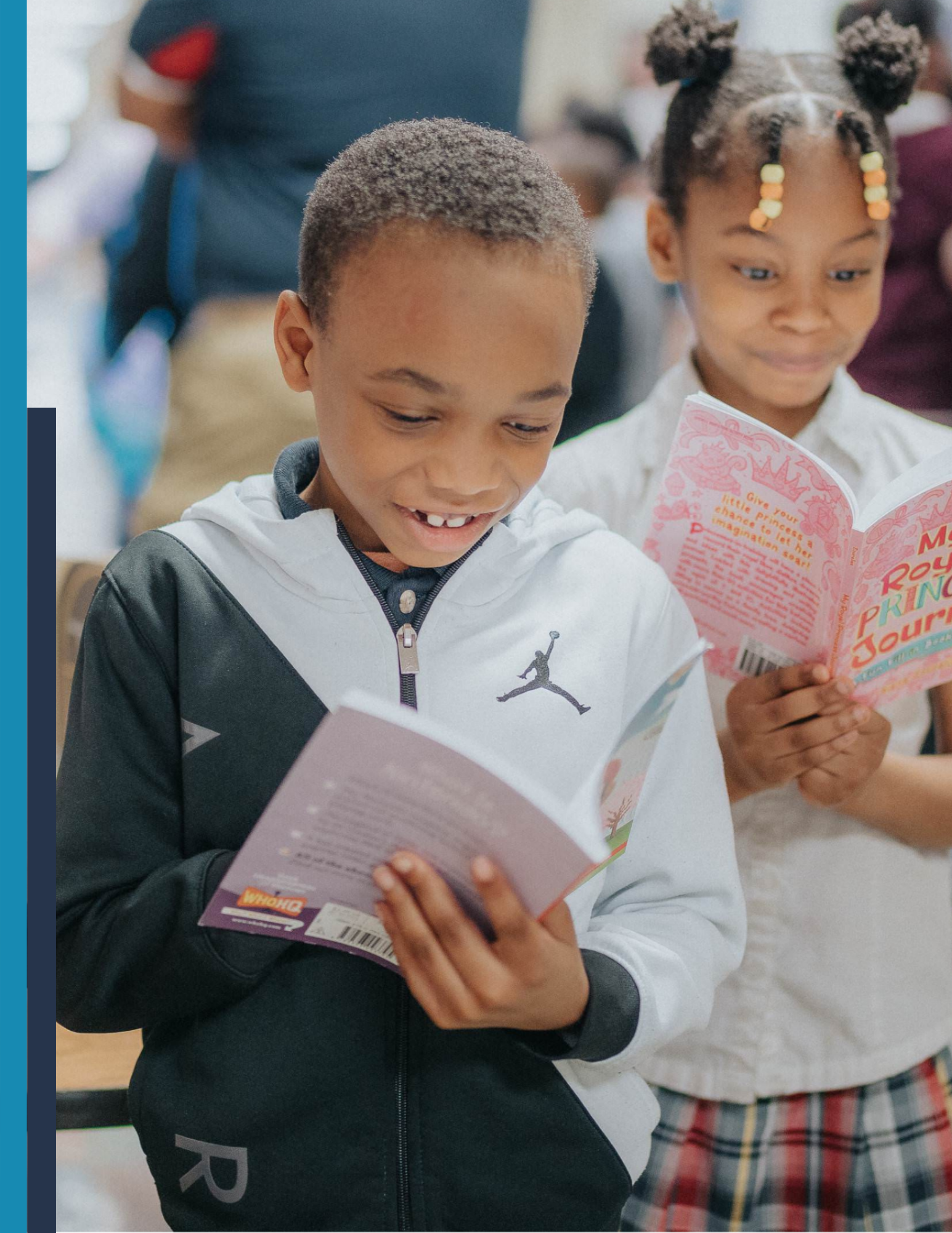
This December, we celebrated the launch of the Shelby County Early Literacy Plan! Developed with a diverse group of partners, this plan is a county-wide roadmap to help every child become a confident reader.
Stand for Children Tennessee is one of the co-conveners of the Early Literacy Consortium, working alongside First 8 Memphis, Literacy Mid-South, Mayor Lee Harris, educators, nonprofits, and community partners over several years to help shape this shared vision. The plan reflects what we’ve long known: early literacy thrives when families, schools, and communities work together.
Early literacy is one of the strongest predictors of lifelong success. Children who read on grade level by the end of 3rd grade are more likely to graduate, pursue postsecondary opportunities, and lead healthier lives. The Early Literacy Plan recognizes that reading happens everywhere (not just in classrooms), and it brings alignment across early learning programs, schools, libraries, after-school spaces, faith communities, and neighborhoods.
Read and download the full Early Literacy Plan here!
Early Literacy in Action: Shelby County A to Z
This vision has already started to take shape through projects like Shelby County A to Z, a phonics book developed through the Shelby County Youth and Education Nonprofit Committee in partnership with the Early Literacy Consortium and literacy experts.
Designed to reflect the vibrant culture, rich history, and diverse communities of Memphis and Shelby County, the book introduces young readers to the alphabet using local landmarks and imagery. Thousands of copies have been distributed to early readers, helping families build foundational literacy skills while celebrating the place they call home.
What comes next
The launch of the Early Literacy Plan marks the beginning of a new chapter focused on deep collaboration, culturally sustaining practices, and literacy-rich environments across Shelby County. We’re proud to help move this work forward and excited about what’s possible when we invest in our youngest readers.
Because early literacy isn’t just about learning to read; it’s about helping all children see themselves, their community, and their future on every page.


