
Read the other posts in this series: Restorative Policies for Student Success and From Punishment to Prevention

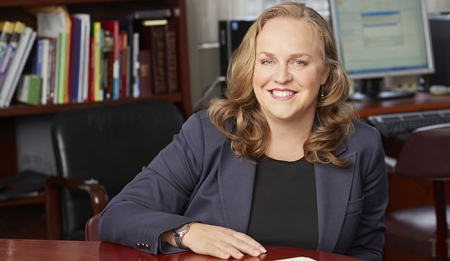
Cami Anderson and her Discipline Revolution Project are the vanguard in the field of restorative justice practices. The DRP provides members with resources, training, and support on practical, innovative school- and system-level solutions that help educators focus on repairing harm and restoring relationships for better student behavior and achievement. Examples include:

  • Building strong student-teacher relationships
  • Incorporating social-emotional learning in the classroom
  • Incorporating recognition of racial biases and institutional racism in teacher training
  • Building a diverse teacher workforce
  • Adopting empathetic discipline policies

This approach to school discipline is about more than addressing misbehavior, it is about attending to students’ social and emotional needs in addition to their academic ones.

In Memphis, Gestalt Community Schools has fully embraced this more holistic approach to education and discipline. Inclusive practices for students with disabilities, individually tailored academic and behavior interventions, and social-emotional learning are all built into the Gestalt Academic Model. Students at its Power Center Academy in Hickory Hill consistently outscore their peers at all testing levels. Mutually beneficial community partnerships supplement and enhance classroom instruction and help to create a supportive school environment.

As more schools shift away from punitive discipline policies, it is important to ensure that the cultural aspects that shape school discipline policies are also addressed. Janiya Douglas wants to see more dialogue specific to the needs at each individual school:

“Schools are implementing these new policies, but student voices are still left out. We need to have discussions between students and teachers to decide what we can do to change things at our school.”

The Tennessee Department of Education has developed a free resource for schools and districts to use as they strive to improve academic outcomes by improving school climate. More research is needed to quantify the impact of restorative practices, but by supporting this shift in approach, we will be able to see immediate subjective results in the academic achievement and quality of life for all of our community’s students.
Join us in the movement to rethink school discipline.

Coined in 2012 by John Bridgeland, CEO of Civic Enterprises and former director of the White House Domestic Policy Council, the term “opportunity youth” refers to the millions of young people in America between the ages of 16 and 24 who, for a variety of reasons, are out of school and unemployed.

Memphis is home to the highest percentage of opportunity youth among the nation’s largest metropolitan areas (an estimated 30,000 young people), which is a factor that contributes to Memphis also having one of the highest poverty rates in the country. Lack of education and work experience are the biggest obstacles for opportunity youth to overcome. By addressing these two barriers simultaneously, we can turn off the spigot producing opportunity youth and get young people reconnected and reengaged in school, work, and civic life.

The future success of Memphis and Shelby County is connected to how we treat our young people – our potential leaders and the future economic base of our community – today. Community investment in education, training, and support programs that prepare young people for academic achievement and meaningful careers will pay off in:

  • An increased number of young people who finish high school prepared for college and/or career
  • A stronger workforce built on expanded career and technical training opportunities
  • Greater economic stability, as expanded access to educational and enrichment opportunities from summer and afterschool programs improves the odds that young people and families will be able to build better futures for themselves
  • The introduction and maintenance of a proactive approach to addressing economic and workforce development needs, reducing crime, and reversing negative trends

In other words, a stronger, more stable, and more vibrant future for our city.

Join the movement for Memphis youth.

Read the next post in this series: The Movement in Memphis Continues

Read the first post in this series: Opportunity Youth in Memphis

Last year, our Fund Students First coalition requested that the City of Memphis allocate at least $10 million for an education fund that would invest in both in-school and out-of-school efforts that have a direct and measurable impact on students’ academic achievement and/or career development. In addition to increased support for career technical education (CTE) programs, dropout-prevention strategies, and high-quality out-of-school learning opportunities, we asked for expansion of the MPLOY Youth Summer Experience and the Memphis Ambassadors Program initiatives. As a result, increased funding for the MPLOY summer jobs program would have offered a progressive, proactive approach to addressing economic and workforce development needs, reducing crime in our city, and reversing negative economic and population trends.

We urged city leaders to make public education and youth opportunity a high priority and to redirect funding toward strategies that have a positive effect on young people’s prospects for successful lives. Ultimately, however, our requests were unfulfilled.

The City did increase the number of MPLOY summer jobs by 250, but the total number of positions (approximately 1,250) remained dramatically smaller than the annual number of applicants (approximately 7,000), and there was no significant increase in fiscal support for young people included in the City’s 2017-2018 budget. Furthermore, Memphis remains the only municipality in Shelby County that does not contribute additional funding to public education.

Contrast this neglect with the more progressive approach implemented in other cities. The Detroit Summer Youth Employment Program served 5,600 youth in its inaugural year and grew to more than 8,000 in its second year. Mayor Rahm Emanuel’s One Summer Chicago grew 125 percent over five years and now provides more than 31,000 youth employment and internship opportunities. Washington, DC’s Department of Employment Services includes an Office of Youth Programs that develops and administers a comprehensive slate of programs that provide youth with the occupational skills training, work experience, academic enrichment, and life skills training that are essential to success. The Mayor Marion S. Barry Summer Youth Employment Program alone employed nearly 11,500 young people in 2017 for more than 1.3 million total hours.

Other cities of comparable size and/or demographics are willing to commit funds and other resources to ensure that the youth in their communities have ample opportunities for future success. Many of these program expansions have included both public and private support, so we also need our Memphis businesses to make commitments to our youth. It’s time for Memphis to level up in real support for our city’s youth.

Join the movement for Memphis youth.

Read the next post in this series: Memphis Deserves More

Read the other posts in this series: Opportunity Youth in Memphis and The Movement in Memphis Continues

During the FY2017 budget process and the months afterward, there were some small successes. Although they dismissed our request for an impactful increase in investment for youth opportunity programs, Mayor Strickland and the Memphis City Council did support spending allocations for expanded library hours, which may impact youth. We also saw the city make attempts to address some of the concerns we raised, such as community centers offering after-school programs, a new literacy component added to city summer camps, and an interactive reading program, although these did not come with the funding investments needed to maximize their effectiveness and impact.

More recently, the city council voted in December to support city-wide pre-kindergarten. These allocations and endorsements are a good start, but they should be backed with full funding for high-quality implementation if they are to be effective.

In 2018, as we move toward another budget process, the development of the Memphis 3.0 strategic plan, and county elections, we have another chance to impress our desire for greater investment in our community’s youth upon our elected leaders and would-be leaders. The time is right to let elected officials know that academic and economic opportunities for our young people are our highest priorities and should be backed by a substantial investment of our tax dollars.

As a result of the community dialogue engendered in part by Fund Students First and continued in our Momentum Memphis campaign, we are, in fact, beginning to see some movement in the right direction. Earlier this month, it was proposed that the City Council consider a modest expansion of the MPLOY program with an additional 750 opportunities by 2020. Although he was one of the few City Council members who would not meet with us last year to discuss more city support for youth, we’re glad that Councilman Ford is endorsing an increase in summer jobs as a community priority. 

We can leverage this proposal and similar sentiments into a complete, thorough, and effectual package of fully funded support programs that engage young people in our community and offer them the hope of brighter possibilities for the future. We can act now to turn the statistics around and to open up new pathways for transitioning opportunity youth into successful adulthood, both for their sakes and for ours.  Our future as a city, as a community, is inextricably tied to our young people.

Let’s act now for Memphis’ next generation.

As we commemorate the 50th anniversary of Dr. Martin Luther King Jr.’s assassination here in Memphis, we are taking a step back to ask ourselves what has changed and how we can influence lasting change on behalf of our youth. Launched in 2017, Momentum Memphis is a campaign built to unite the community in taking action to promote youth opportunity and success through education. We are pleased to have your interest in education advocacy and hope you will continue to support our efforts to make quality education a community-wide focus. Taking stock of where we are in the education landscape and how our students are impacted, we have identified four student-centered areas of opportunity for change and focus points for our work:

Graduation Success for College & Career Readiness

“Graduation success” means not only that students graduate from high school but that, when they do so, they are fully prepared with the literacy, critical and effective thinking skills, and aspirations to enter postsecondary education or a career. Shelby County Schools (SCS) currently has a 79.6% graduation rate and only 11% of SCS students meet all four ACT college-readiness benchmarks. Our goals for this platform are to:

  • Ensure that every high school student is on track to graduate and planning for the future
  • Increase Career and Technical Education (CTE) and post-secondary programs
  • Enhance early literacy education and focus on literacy in all grades

Community Investment in Our Youth

Memphis has the highest percentage of opportunity youth (young people who are not in school or working) out of the top 50 largest metropolitan areas – a factor that contributes to Memphis having one of the highest poverty rates in the country. By fully investing in programs that engage our youth, we can address the issues and traumas that can limit their future success. Our goals for this platform are to:

  • Increase summer job opportunities that prepare youth for life success
  • Support after-school and summer programs that improve student achievement
  • Support efforts that address poverty and trauma that impact youth and communities

Facilities & Funding Our Students Deserve

Studies have shown that school facilities can have an impact on student learning and academic achievement. SCS facilities operate with $500 million in deferred maintenance, which means that students must deal with leaky roofs, malfunctioning heaters and air conditioners, and other issues that detract from a conducive academic environment. Success in this platform requires:

  • High-quality school facilities that enhance learning for all of our community’s children
  • Advocating for necessary and equitable funding to address student needs and create modern environments that provide students with the tools and resources that they need for life and careers in the 21st century

Breaking the School to Prison Pipeline

In Tennessee, black students are five times more likely to be suspended as white students, which, in turn, increases the likelihood that their lives will be negatively impacted by more suspensions, expulsions, interaction with school resource officers (sheriff’s deputies), trauma, lack of opportunities and support, and, ultimately, entry into the youth or adult criminal justice system. Within this platform we hope to achieve:

  • School discipline reform that lowers suspensions, increases restorative and non-exclusionary practices, and puts in place proactive preventive measures
  • Collaborative effort toward criminal justice reform that values our children and our communities

Advancing these four platforms will not be easy, but we believe that the work is worthwhile, and we invite you to join us as we act for change.

First, if you have not done so already, take the Momentum Memphis pledge and commit to acting for better opportunities and greater success for Memphis’ next generation.

Because improving youth opportunity and success will require support and funding from our local governments, we have created a Campaign Endorsement Committee, which will review candidates and decide which ones have platforms that correspond with our education goals for effective focus of our interest, investment, and support. If you have an interest in politics, consider joining this committee and helping us increase the number of elected officials who can ensure that the allocation of our tax dollars reflects youth success as a community priority.

Be sure to follow us on Facebook to stay on top of the most recent updates and calls to action.

Welcome to the movement. Together, we are unstoppable.